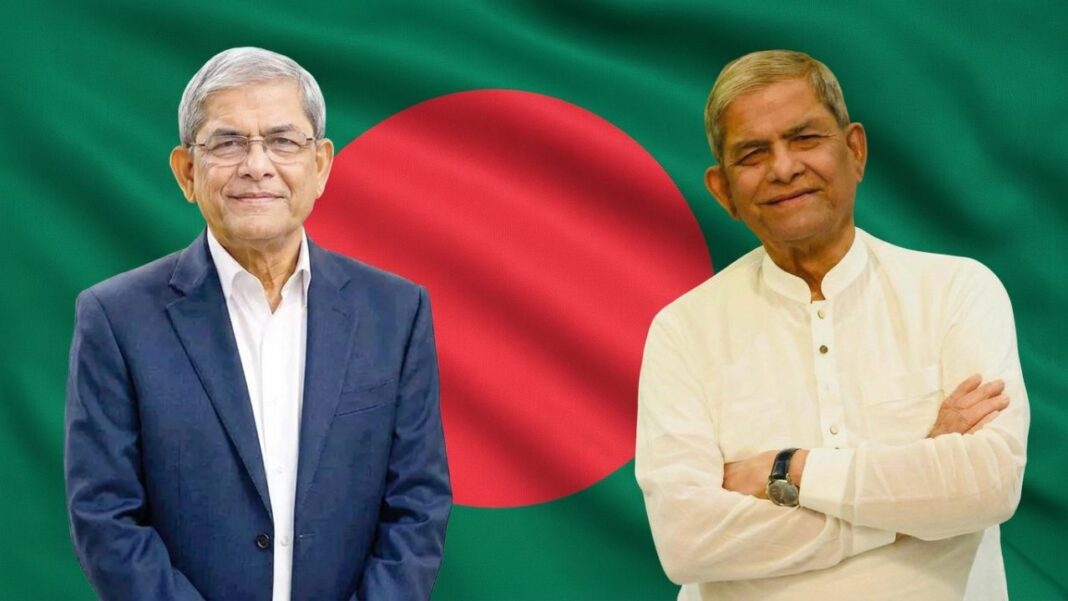

Bangladesh (Commonwealth Union)_ Mirza Fakhrul Islam Alamgir’s election as Bangladesh’s 23rd president marks an important moment for both the country and the Bangladesh Nationalist Party (BNP). The veteran politician won 255 votes against 88 secured by his only rival, Col (Retd) Oli Ahmad, the candidate of the Jamaat-e-Islami-led 11-party opposition alliance. The election was notable because it ended a 35-year period in which Bangladesh’s presidents were elected without a contest. The last contested presidential election was held in 1991. Alamgir’s victory therefore carries significance beyond the result itself, showing that the country’s presidential office has once again become part of a competitive political process.
At 78, Alamgir brings decades of political experience to the presidency. His career has been closely tied to the BNP, where he rose through the ranks and eventually became secretary general. He played a particularly important role during a difficult period for the party, when BNP chairman Tarique Rahman was living abroad. Alamgir remained one of the party’s most visible leaders in Bangladesh and helped maintain its political activities at home. His contribution to the BNP extended beyond party administration. Known for his long experience in grassroots politics, he served as the elected municipal chairman of Thakurgaon before taking on senior national responsibilities.
Also read: Ryt Bank opens a new door to digital banking in Malaysia!
In 2011, Khaleda Zia appointed him acting secretary general of the BNP, and he later became the party’s permanent secretary general. His ability to remain active through periods of political pressure made him an important figure within the organisation. Before entering politics, Alamgir worked as a teacher after joining government service in 1972. He taught at several government colleges, including Dhaka College. He left government service in 1986 and soon became involved in mainstream politics. His move to the presidency could also benefit the new government. Having worked closely with Prime Minister Tarique Rahman and served in the cabinet as minister for Local Government, Rural Development and Cooperatives, Alamgir is familiar with the government’s priorities and political leadership.
Also read: India roars at 80th Independence Day: Modi leads as India unveils its power and ambition!
Furthermore, Alamgir’s experience could help maintain coordination between the presidency and the administration. At the same time, his election may give the presidency a leader with a strong understanding of Bangladesh’s political landscape. The new government can potentially benefit from his experience, institutional knowledge and long relationship with the BNP. His oath-taking formally completed the process following Mohammed Shahabuddin’s resignation. For Bangladesh, Alamgir’s election represents both a change at the highest constitutional level and the latest chapter in a political career spanning more than four decades.
Veteran Bangladeshi politician and BNP leader Mirza Fakhrul Islam Alamgir formally took the oath as the country’s 23rd president. The 78-year-old politician was sworn in by the Speaker of Bangladesh’s Parliament at a ceremony held at the Darbar Hall of Bangabhaban, the official residence of the president. Prime Minister Tarique Rahman, senior government officials, constitutional office-holders, foreign dignitaries, and civil and military representatives attended the ceremony. Indian President Droupadi Murmu also congratulated Alamgir on assuming the presidency, sending her best wishes to the newly elected President of the People’s Republic of Bangladesh.