
Increasingly moving beyond simply just selling products, luxury brands are now instead focusing on creating a complete lifestyle experience, which is designed to make the customer deepen their connection with the brand through their loyalty and repeat visits. As the global luxury market is currently undergoing rather slower growth, many fashion houses are investing in hospitality, entertainment, and cultural experiences that would allow customers to interact with their brands in more meaningful ways. This shows that fashion is now not only limited to apparel but also has branched out to many other sectors.
Luxury companies have now begun turning their flagship locations into a dine-in experience. With restaurants and luxury cafes, hotels, private clubs, fashion shows, exhibitions, and VIP events, these brands are demonstrating that their intentions are not solely relying on traditional retail stores.
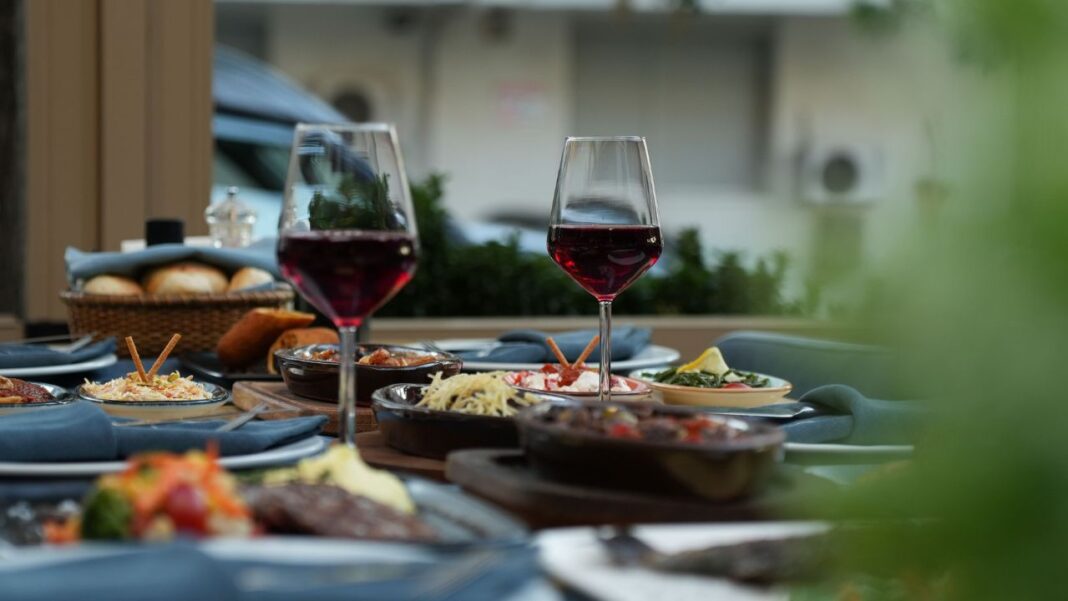
Fashion labels such as Louis Vuitton, Gucci, Dior, Prada, and Saint Laurent have grown into luxury cafés and restaurants in cities that are famous tourist attractions. As primary examples, Paris, Milan, Tokyo, and New York sit at the top of the list. These dining concepts are carefully designed to show each brand’s identity and their inclusivity. The full-on experience includes significant interiors, curated menus, and exclusive tableware, all designed to create a story in one’s mind. The full-on experience, featuring significant interiors, curated menus, and exclusive tableware, aims to create a story in one’s mind. The goal is to create a memorable story in one’s mind. A story one would not forget. For many visitors, the experience becomes as desirable as buying the brand’s products.
Brands are also hosting runway presentations that are invite-only, private shopping appointments, wellness retreats, fashion exhibitions, and workshops where clients can meet the esteemed designers or artisans personally, which creates a feeling of importance. While these events offer customers a sense of exclusivity and gain loyalty, they also make the craftsmanship and heritage behind luxury fashion obvious.
Another role that seems to become increasingly important day by day is technology. Many stores now incorporate interactive digital displays, virtual fitting rooms, augmented reality installations, and even personalized styling powered by artificial intelligence. Customers can explore collections through digital media, which draws a picture of what their imagination is on, and it even offers a helping hand with its recommendations.
Luxury retailers are also collaborating with hotels, museums, galleries, and entertainment venues to create limited-time pop-up experiences. These collaborations attract both loyal customers and younger consumers seeking memorable, shareable experiences. Social media has further amplified this trend, as visually striking cafés, exhibitions, and installations encourage visitors to share their experiences online, generating organic marketing for the brands.
Vogue Business states that these investments show the much greater shift in the behaviors of consumers. High-end shoppers, especially ones who are Millennials and Generation Z, increasingly value experiences as equally as products. Instead of simply buying luxury items alone, they look for brands that align with their lifestyles, interests, and personal identities, as the need for showing authenticity has been on the rise in the present world.
Hospitality has therefore become a growing business opportunity for luxury fashion houses. Several brands have expanded into luxury hotels, private clubs, and residential developments, allowing customers to immerse themselves in the brand long after leaving the boutique. These ventures also diversify revenue streams at a time when luxury goods sales have become more unpredictable.
By mixing these together, it can be seen how fashion with travel, dining, art, and entertainment shows how luxury brands are redefining what it means to shop. The primary focus is no longer solely on owning a product, but it is also on creating memorable experiences that strengthen emotional connections and foster long-term brand loyalty.