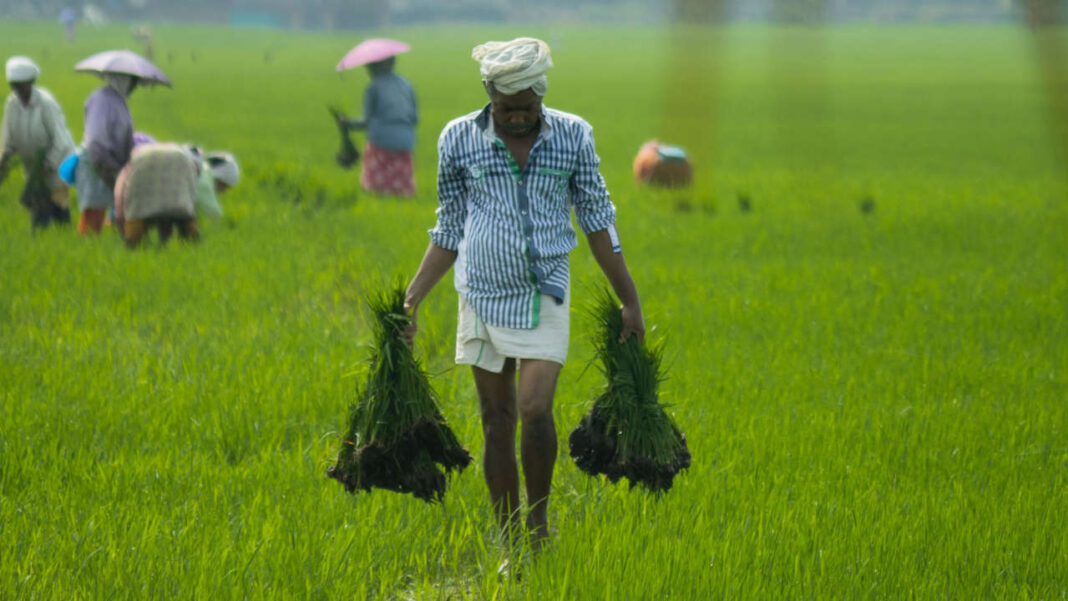

For years, Ghana has faced an unusual predicament. A country with rich agricultural land, and a growing population of people who produce food, it still remains heavily reliant on imported rice. In its attempt to turn things around, Ghana is discovering ways that rice can offer a solution not just to the challenges of being dependent on imports, but also become a force of economic growth, food security and rural prosperity.
In 2026, the pivotal moment arrived when government officials, investors, and agro-business operators increased their push to develop a robust local rice value chain. On June 2nd, 2026 Deputy Finance Minister Thomas Nyarko Ampem urged for large investments that would help transform the rice industry into one of the key players in the industrialization process and in economic transformation at the 2026 West Africa Rice Investment Roundtable.
The reality that causes this transformation lies in a strong paradox: while Ghana’s rice production has been increasing, with local production hitting around 900,000 metric tons during the season of 2025/2026 (which equals about 18% of rise), to the same extent foreign rice continues capturing a considerable part of the market. Moreover, it has been an arduous task to sell the locally selling the locally produced grain has proven to be an arduous task, resulting in, thus leaving enormous amounts of rice waiting for buyers.
Over time, rice has turned into one of the main staples of Ghanaians eating habits and is now common in daily diets of the urban population and the rural dwellers. The growing popularity of rice has been brought about by the ease of preparation, low prices and suitability for Ghanaian food. However, the changes in consumer demand in favour of fragranced long-grain rice have led to more competition for domestic rice producers of fragranced long-grain rice have led to more competition for domestic producers of rice.
The government’s new plan aims to do more than just improve production, as it intends to work on processing, storing, selling and raising standards of quality. Business experts say that a modern rice ecosystem can open avenues for billions of dollars of economic opportunities through reduction of import costs, creating jobs and providing farmers with the necessary assistance. According to the Chamber of Agribusiness Ghana, effective strategy of rice industrialization can provide significant economic impact for the country.
Nonetheless, there are still obstacles to overcome. On June 16th, 2026, the Peasant Farmers Association of Ghana called on the government to hasten the implementation of regulations regarding rice quotas, stating that many farmers are still having problems and carrying tons of unsold production.
The changes made to the rice industry in Ghana show that it is more than just replacing imported rice with locally produced rice; it carries with it much greater aspirations for revolutionizing the agricultural sector in such a way that it makes sure that the farmers, processors, and consumers are the key players in a sustainable economy. Should success is achieved,
Ghana’s rice project can serve as an example for other African states trying to change their untapped potential into success in the form of economic prosperity.