

During January, markets displayed shifting trade dynamics, persistent inflation, and rising global risk. All these factors-built pressure beneath the surface. Geopolitics, central bank decisions, and energy markets contributed to the tremors shaping the investment landscape to begin the year.
Global equity markets edged higher over the month of January. Tensions around Greenland eased. The removal of U.S. and European Union (EU) tariff threats raised hopes for economic activity. Enthusiasm for artificial intelligence stocks was sustained.
The Bank of Canada (BoC) and the U.S. Federal Reserve Board (Fed) held their policy interest rates steady during January. However, they acknowledged the risks from geopolitical tensions. These developments could hinder economic conditions in the Canadian and U.S. economies. The Canadian labor market displayed more signs of stabilizing. The U.S. unemployment rate declined at the end of 2025. The Chinese economy grew in the 4th quarter of 2025, as disclosed in January ’26. However, the pace of expansion was slower than in the previous quarter.
The S&P/TSX Composite Index edged higher. It reached a new record high. Energy was the best-performing sector. U.S. equities recorded growth over the month. Canadian government 10-year bond yields concluded largely unchanged. This occurred while the yield on U.S. Treasury bonds increased. Both oil and gold prices also reflected increases during January. Along with both steel and copper, gold recorded new record highs.
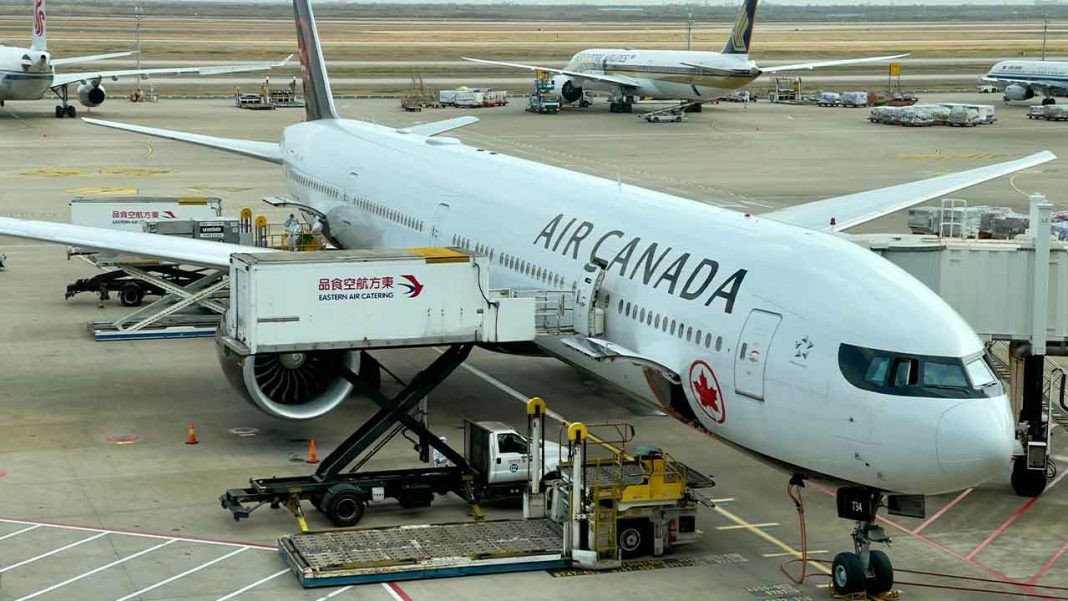
Canadian Prime Minister Mark Carney headed to China to diversify trade and reduce Canada’s reliance on trade with the U.S. Carney had cordial discussions with Chinese President Xi Jinping, besides other senior officials. The main item on the agenda was trade. Indicators are that it was a relatively fruitful meeting. Canada and China discussed a framework for increasing energy, trade, and investment. Canada has increased its oil shipments to Asia. The proposed pipeline received attention as a potential boost to Asian shipments. The two parties also reached agreements on certain tariff issues. China has agreed to lower tariffs on Canadian canola. As such, China resumed buying canola for the next few months.