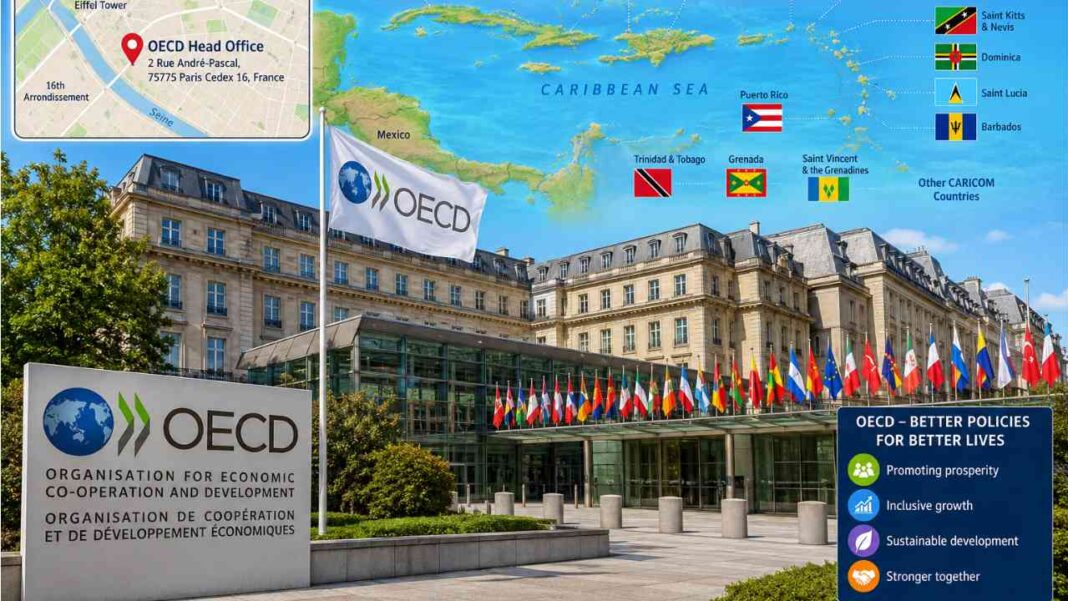

Enhanced investment may be needed by Caribbean countries to strengthen resilience, particularly in areas such as climate adaptation, disaster preparedness, and infrastructure development. Also, to close infrastructure gaps and achieve sustainable growth. This conclusion is according to a new joint report by the Inter-American Development Bank Group (IDB Group), in collaboration with the Organisation for Economic Co-operation & Development (OECD).
Analysing the main findings of the 2nd edition of the Caribbean Development Dynamics Report ’26: Investing in Sustainable & Resilient Development was central in the discussions among regional leaders. Additionally, economists, policymakers, and international partners participated in the discussions in Port of Spain, Trinidad & Tobago. The meeting was during the ONE Caribbean Ministerial Dialogue on Tuesday, 21 April ’26. The event facilitated regional dialogue & generated actionable recommendations for IDB member states & the wider region.
The Caribbean Development Dynamics Report ’26 presents three priority areas for policy action in driving sustainable growth:
1) Deepening Regional Integration & International Partnerships
The report emphasises that deeper regional cooperation could boost investment. Additionally, it can reduce costs, strengthen institutions, and provide the necessary scale for projects that may be challenging to deliver individually. Platforms such as the IDB Group’s ONE Caribbean programme provide a practical framework for this cooperation. Additionally, it is important to align priorities, strengthen project pipelines, and mobilise public and private investment across countries.

2) Embedding Resilience – Investment Planning
The report may underscore the essential role of resilient infrastructure. Additionally, early warning systems and well-designed public-private partnerships play a crucial role in protecting livelihoods, safeguarding natural assets, and reducing long-term fiscal risks. The Caribbean’s inherent strengths may align with these investments. Examples of these investments include the blue economy, energy, the creative economy, and tourism. These can robustly support long-term development.
3) Diversifying Financial Sources
The scale of needed investment requires diversified financing sources. This may include mobilising domestic resources. Also, private-sector participation & international capital flows. The report underscores the importance of innovative financial instruments, such as green, social, sustainability & blue bonds. Additionally, debt-for-nature swaps are available alongside resilient debt clauses.