
Every year, the wine industry produces large amounts of waste. After grapes are pressed to make wine, large amounts of skins, seeds, stems, and pulp are left behind. This material is called grape pomace. Most of it is thrown away, composted, or sent to landfills. Researchers now believe this waste product could have a valuable use in agriculture.
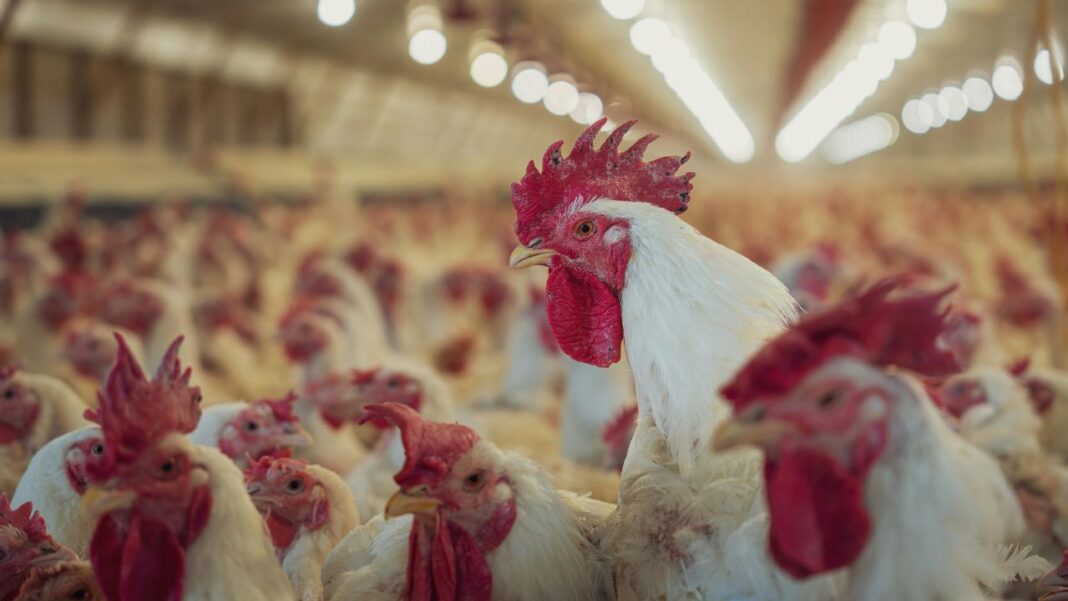
A new study suggests that grape pomace may help replace antibiotics that are commonly added to chicken feed. The research was published in the journal npj Biofilms and Microbiomes. Scientists from Cornell University wanted to find out if grape pomace could actually improve the health and growth of broiler chickens.
These chickens are raised mainly for meat production. The researchers compared grape pomace with zinc bacitracin, a commonly used antibiotic growth promoter in poultry farming. The results were encouraging. Chickens that received a small amount of grape pomace showed better growth and improved feed efficiency.
Their digestive health also improved. The results were similar to those seen in birds given antibiotics. The supplement helped reduce mild inflammation in the chickens’ gut. This type of inflammation is common in poultry farms and can affect both growth and health.
For many years farmers have used antibiotics in chickens. It helps them grow fast and stay healthy. But now antibiotic resistance is a big concern. It happens when bacteria do not respond to medicine anymore. So some diseases become challenging to treat in animals and people. Many countries now limit or ban antibiotics for growth purposes.
Poultry producers are now searching for safer alternatives that can offer similar benefits. To test grape pomace, the researchers carried out an experiment involving 126 young chickens. The birds were fed a diet containing 30 per cent rice bran. Rice bran is high in fibre and can place stress on the digestive system. Scientists often use it to create mild inflammation in the gut. The chickens that received only the rice bran diet performed poorly. They gained less weight and showed higher levels of inflammation.
They were also less efficient at converting feed into body mass. However, the results changed when grape pomace was added to the feed. Birds that received grape pomace have gained more weight and used feed more efficiently.
Their performance closely matched that of chickens receiving antibiotic supplements. Researchers noted that some earlier studies found negative effects from grape pomace. However, those studies often used much larger amounts. The Cornell team believes the small dose used in this study was the key to its success.
The study also looked at whether fermentation could make grape pomace even more effective. Scientists created two fermented versions. One was fermented using Lactobacillus casei, a beneficial bacterium often used in food production.
The other was fermented with Saccharomyces cerevisiae, a yeast used in baking and brewing. Fermentation changes plant compounds’ structure. It may help animals absorb nutrients more easily. Some polyphenols were reduced, but the fermented product still worked well.
In some cases, they provided additional benefits. One fermented version increased villi size in the small intestine. Villi are tiny finger-like structures that help absorb nutrients from food. Bigger villi improve absorption and better growth. Researchers also look at the gut microbiome. It means a community of microorganisms living inside the digestive system.
A healthy microbiome is important for digestion and immunity. Grape pomace changes bacteria balance in the gut. Harmful bacteria linked to disease were reduced. The butyrate level also increases. Butyrate is a short-chain fatty acid that supports gut health.
It energises the cells in the intestine and helps control inflammation. Higher butyrate levels are often considered a sign of a healthy digestive system. Grape pomace also has environmental benefits. The researchers emphasise the need for further studies before the widespread adoption of grape pomace. Future trials will need to include larger numbers of birds and commercial farming conditions. Even so, the findings are promising.
Grape pomace could provide poultry producers with a practical alternative to antibiotics. If future studies confirm these results, a waste product from winemaking may help improve chicken health, reduce farming costs, and lower the need for antibiotic growth promoters.