
East Africa is at present undergoing a food-security threat due to the increasing climate extremes, weak harvests, rising grain prices and declining soil fertility. All these situations in combination are adding major pressures on food supplies. The situation could become even more difficult towards the latter stages of this year as a powerful El Niño continues to develop throughout the region. This weather event poses a large threat to harvests and livelihoods that are already under pressure.
Analysing reports which had made notes about the situation, one could see that some indicate that Kenya and Uganda, which are Commonwealth countries, are already experiencing crop losses, while Ethiopia, South Sudan and Rwanda are also vulnerable. Tanzania has proved to have stronger food availability, but increased demand from neighbouring countries could put pressure on its supplies if shortages continue to spread.
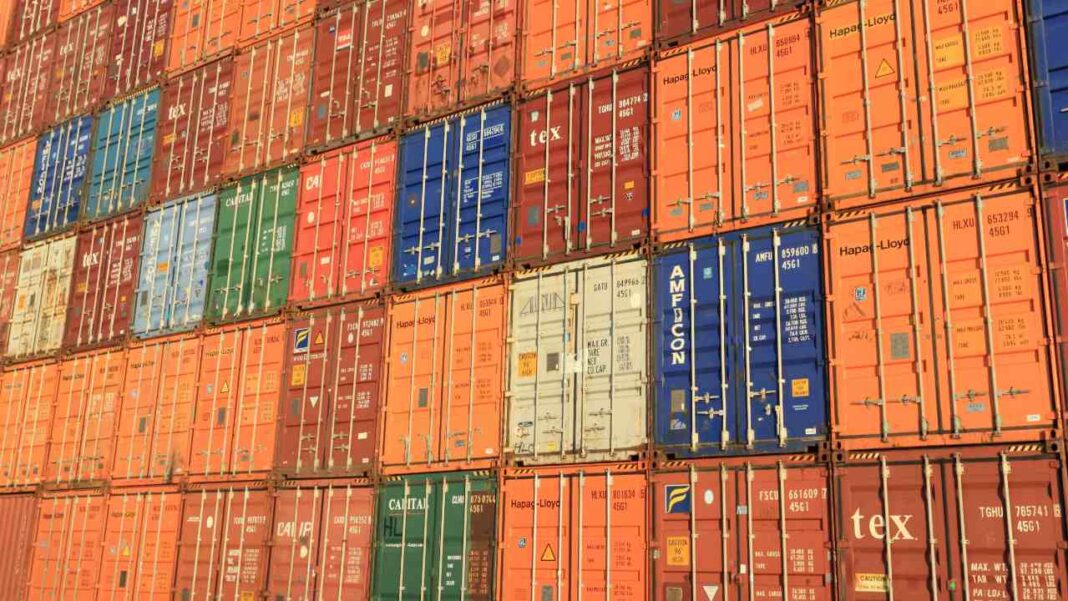
Kenya is among the countries which are facing the most immediate concerns. The country’s Agriculture Ministry has acknowledged widespread crop failures, especially areas in the North Rift. Plans have been made by the government to import one million bags of maize which weigh around 90 kilograms. The country could face a shortfall of nearly 486,000 tonnes by the end of this month (September), according to figures cited by The EastAfrican.
The pressure is also becoming increasingly evident in food prices all throughout the region. Data from the Alliance for a Green Revolution in Africa showed maize prices in Ethiopia had risen up to 15 per cent to $381 per tonne. Uganda also recorded an eight per cent increase to $493, while South Sudan saw prices rise seven per cent to $1,095 per tonne. Bean prices in Uganda also rose up by more than 30 per cent during the first quarter of 2026.
Uganda, like Kenya, is also dealing with serious agricultural losses after poor rainfall. By referring to reports which were made regarding this incident, one could see that the country’s crop losses were estimated at between 50 and 70 per cent. The Famine Early Warning Systems Network expects between 2.5 million and 2.99 million Ugandans to require food assistance between the months of June 2026 and January 2027.
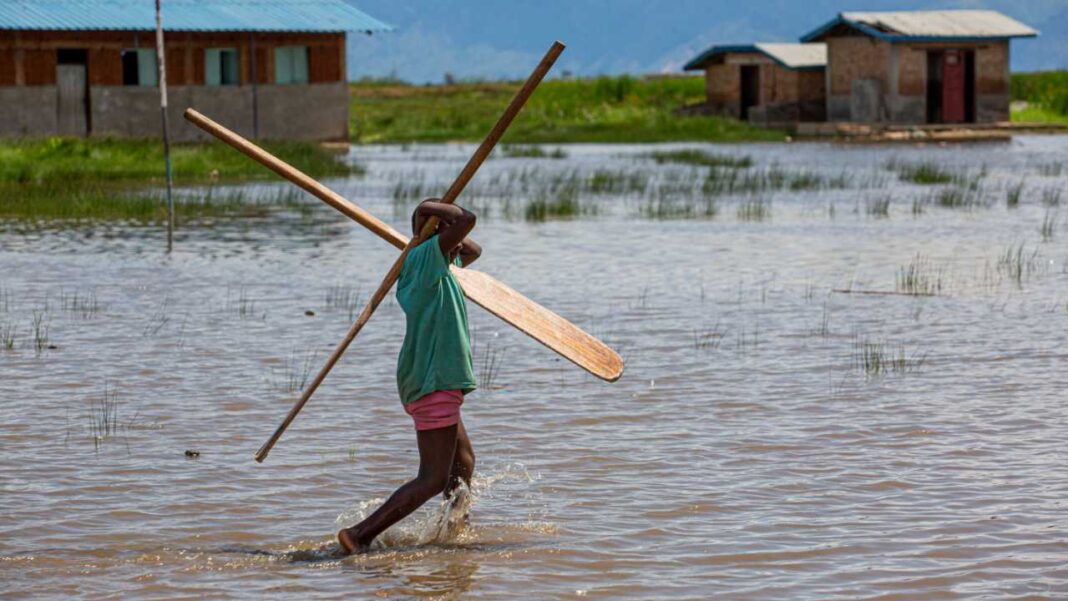
Another layer of uncertainty arises from weather forecasts. The World Food Program (WFP) says El Niño conditions are expected to strengthen and grow more. It is reported that these conditions could continue into 2027. Well over 18 million people across East and Southern Africa could experience worsening situations of food insecurity. The effects will vary between countries, with some areas facing drought and others exposed to heavy rainfall, flooding and landslides, as this weather event is unpredictable in every way.
The Food and Agriculture Organization explains that El Niño has historically brought above-average rainfall to parts of the Horn of Africa, increasing flooding and landslide risks, while western areas of East Africa can experience below-average precipitation. Such extremes can damage crops, reduce livestock productivity and disrupt transport routes.
The crisis is not only a weather problem. Economic pressures are another aspect that is making recovery harder for households. Farmers who are living in Kenya and Uganda are also dealing with soil fertility which keeps declining, high production costs and limited access to suitable agricultural inputs. In Kenya, a nationwide soil-mapping programme is implied in its aim to provide better information on fertiliser use and crop selection.
FAO and WFP are responding by expanding early-action measures. Their plans include cash assistance, climate-resistant seeds, livestock protection, water storage, flood protection and early-warning information.
Due to these measures, for East Africa, the coming agricultural seasons could be decisive for both farmers and consumers. Regional cooperation will be highly important. Without timely support and stronger climate-resilient farming systems, another round of extreme weather could deepen food shortages, raise prices and leave millions of households struggling to afford basic food.