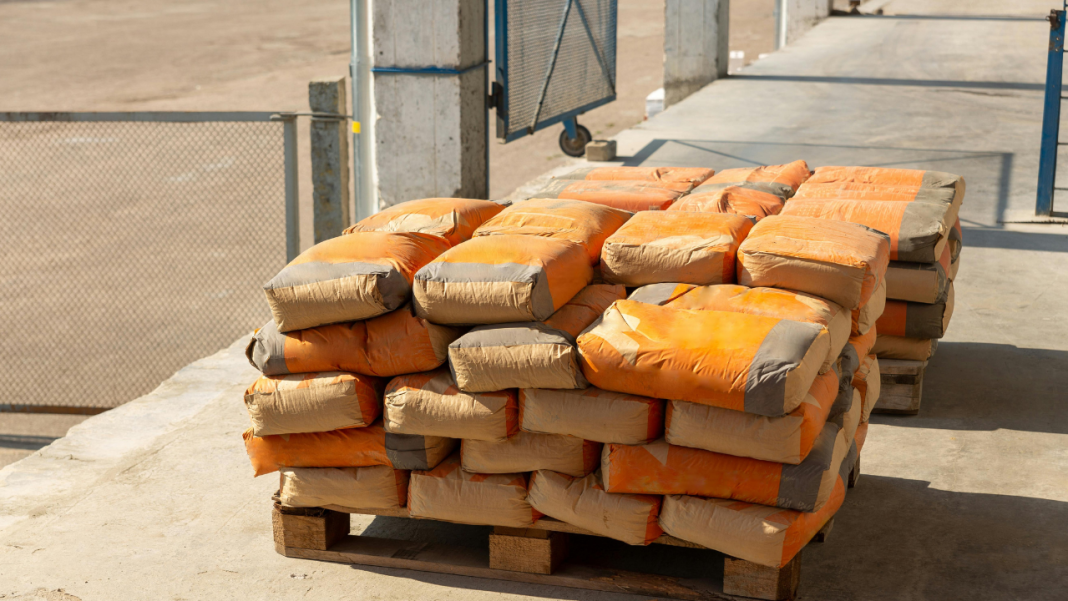

Egypt is discreetly taking steps to ramp up one of its key heavy industries: cement. Zawya has reported plans for two new cement production facilities—a move demonstrating Cairo’s ambitions to build up domestic industrial capacity as a regional exporter and to continue supporting booming infrastructure projects domestically.
Why it matters: cement is really the backbone of construction. Beyond roads and housing, it enables ports, factories, and the concrete foundations of national development. Sandwiched between the anticipated plants comes at a time when Egypt’s cement and clinker exports have jumped tremendously in the past few years, as uncovered by independent market analysis that shows a remarkable increase in shipping from 2022 to 2024—in the context of a wider industrial expansion that is altering regional supply chains.
The economic benefits are straightforward and potent. State-backed incentives, a favourable natural gas pricing environment for energy-intensive industries, and a steady talent pipeline for government infrastructure work have made Egypt a good option for specific heavy industries like cement. For domestic builders, the new plants mean a more stable local supply and potentially lower prices; for exporters, it contributes to increased recognition of Egypt’s role as a regional cement hub.
But there is a downside. Cement is one of the most carbon-intensive materials on Earth, generating large quantities of CO₂ emissions during its production. Global observers and climate specialists noted that the rapid development of smokestack industries in countries with less stringent emission reporting can merely shift the pollution burden rather than solve the challenge – a strategic and environmental trade-off that Cairo will have to address to sustain these projects over the long term.
Context: Egypt is already one of the largest cement producers in the region, with an established list of local as well as international producers operating their large plants across the country. The industry’s capacity and expertise also ensure that new projects can be scaled more quickly than in many other markets, giving Egypt a time advantage for domestic construction as well as exports.
What to monitor next: initial information on their location, capacity, financing partners and environmental safeguards. If the government assigns meaningfully feasible emissions controls and incentivises modern kilns with lower-carbon technologies and alternative fuels, these plants might create jobs and spur growth, and they may represent a realistic example of balancing industrial ambitions with a climate responsibility. If not, the development and operation of these facilities may face scrutiny from both trade partners and climate advocates and will certainly be measured against the continued industrial footprint of Egypt.
Regardless, the two intended plants are not merely construction projects — they indicate Egypt’s intention to establish itself on the North African and global industrial map.