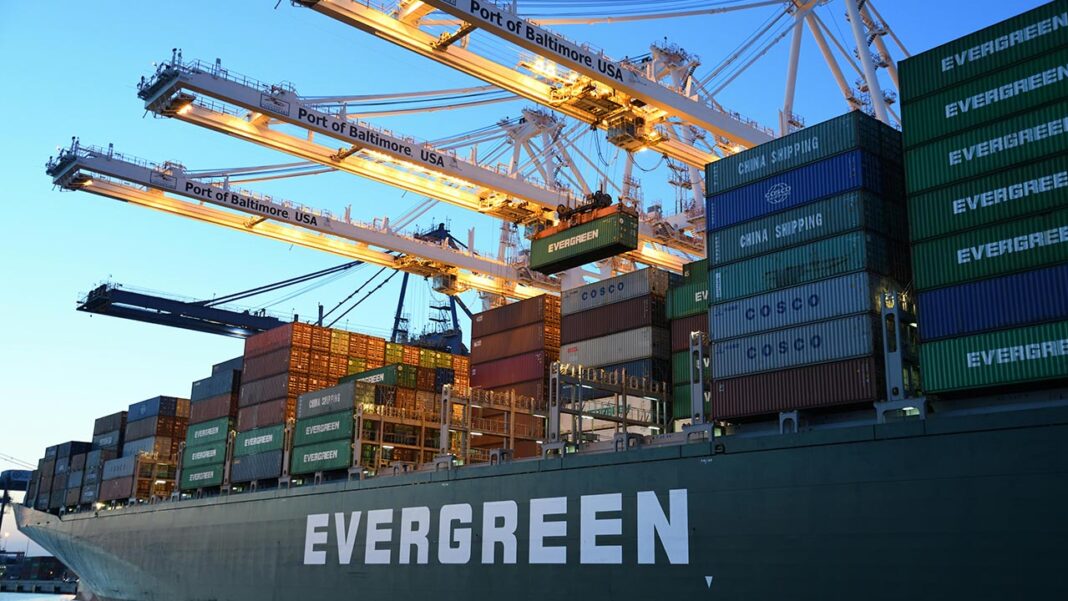

The Colombo Port finds itself in a conflict between lucrative private partnerships and long-standing contractual obligations. While major shipping giants are eager to join forces with the Sri Lanka Ports Authority (SLPA) for the operation of the East Container Terminal (ECT), an existing agreement with the Adani-led West Container Terminal (WCT) is stifling these prospects.
In a move that has raised eyebrows within the maritime industry, the SLPA’s commitment to the WCT—operated by a consortium where Adani holds a 51% stake, alongside John Keells Holdings (34%) and the SLPA itself (15%)—comes with a binding exclusivity clause. This clause bars any third party from participating in new operations at Colombo Port for seven years from the contract’s effective date, or until the port’s throughput exceeds 5.5 million TEUs over six consecutive months, whichever happens first.
This restriction has come at a critical time. An unsolicited proposal from a consortium led by Maersk and APM Terminals, in partnership with Mitsui & Co and Ocean Network Express, has already signaled strong interest in taking the helm at ECT. However, despite the allure of global expertise and the promise of modernized operations, the SLPA remains steadfast. Chairman Admiral (Rtd) Sirimevan Ranasinghe emphasized that the authority would neither invite open tenders nor engage any private parties for the ECT project.
The contractual stipulation stems from Clause 4.1 of the Colombo West International Terminal (CWIT) build-operate-and-transfer agreement. This clause explicitly mandates that “the East Container Terminal shall be developed, equipped, operated, and maintained solely by the Ports Authority.” With the CWIT projected to be fully operational by 2027, the exclusivity clause effectively sidelines any immediate external collaboration that could bring fresh ideas and investments into the ECT.
Analysts in the shipping industry are less than thrilled. Many have described the clause as “a travesty,” noting that while WCT has been granted extensive tax breaks—including a 25-year tax exemption on profits, border tax exemptions on equipment, and even salary exemptions for up to 20 expatriate employees—the same opportunity to boost competitiveness through private sector expertise is denied to ECT. In contrast, the Colombo International Container Terminal, run by China Merchants Port, does not carry such restrictive conditions, leaving many to wonder about the fairness and long-term vision of the current approach.
For middle-class Sri Lankans, who are keenly interested in the country’s economic and infrastructural development, the situation at Colombo Port is more than just bureaucratic wrangling. It’s about ensuring that national assets are managed in a way that maximizes growth, attracts global business, and ultimately contributes to a robust economy. The port, a critical gateway for international trade, must remain competitive on the global stage, and many argue that leveraging private-sector efficiencies is the key to achieving this.
However, the SLPA’s current stance appears to favor maintaining control over strategic assets rather than opening them up to potential international collaborations. While such an approach could preserve national interests in the short term, critics warn that it may also hinder innovation and slow down the modernization process of one of South Asia’s busiest ports.
Despite the ongoing debate, it is evident that Colombo Port finds itself at a pivotal juncture. The decisions made in the coming years—balancing national control with private sector innovation—will determine whether the port can harness its full potential. For now, the exclusivity clause associated with the WCT contract continues to impede the ECT’s promising future, leaving both local stakeholders and international shipping experts eagerly awaiting developments.
In an era where global trade is evolving rapidly, the Colombo Port’s strategy must adapt. It remains to be seen whether the government and the SLPA will revisit and possibly renegotiate the contentious clause. The hope among middle-class citizens invested in Sri Lanka’s economic future is that a more flexible and inclusive approach could eventually prevail, paving the way for new opportunities and enhancing the nation’s growth.