

Industry sector growth slows as global trade is compelled to apply brakes?
At the start of 2025, we anticipated a 4.3% increase in global transportation and logistics output. This was followed by a slight 0.6% decline expected in 2026. Consequently, since then, a revised downward forecast predicts values of 2.5% & 2.4%, respectively, for the 2 consecutive years’ performances. The pace of trade growth is expected to ease significantly during the last months of 2025 and be sustained during the first half of 2026.
These values contrast with earlier predictions where front-loading ahead of trade restrictions was directly responsible for boosting global trade growth. The trade in goods increased due to AI-related investment, primarily in data centre infrastructure and other AI equipment.
Tariffs are increasingly weighing on trade activities, and uncertainty drags on investments. This usually has an impact on all stages of the freight economy.
Decreased production and transport of raw & intermediate goods for manufacturing coincides with reduced shipment of goods. This movement is from manufacturing locations to ultimate consumer locations. It is likely to inevitably spill over to the freight-biased transport sector segments. These movements are mainly operating as overland trucking and ocean freight.
With the objective of improving supply chain resiliency, industries and businesses that have been focused on just-in-time production are likely to retain enhanced levels of inventory as a safety buffer. Consequent to this, there’s a greater demand for warehouse facilities to store inventory, avoid delays, and reduce the impact of supply chain disruptions.
In the U.S., the transportation and logistics sector is facing more challenges ahead, so is navigating a complex environment. We are currently witnessing a decline in consumer confidence and a cooling off of the labour market. Both issues, in tandem, could affect demand for shipping durable and non-durable consumer goods.
Simultaneously, the sector is experiencing significant challenges from trade, distribution, and labour shortages, besides geopolitical instability. After recording growth of 1.8% in 2024, the sector output was expected to decrease by 0.6% during 2025, followed by a modest 1% rebound during 2026.
Tariff increases on U.S. imports have witnessed a reduction in freight volumes, especially on the transpacific routes from Asia to the U.S. The water transport segment was expected to contract by 4.7% during 2025 and by 0.1% during 2026. Trucking becomes the key transport mode for freight movements in the U.S. Overland transport is expected to grow only 0.3% during 2026 after registering a modest 0.4% increase during 2025.
Weaker trade activity with both Canada & Mexico is impacting trucking. Trucking plays a vital role in cross-border trade under the USMCA framework. Labour shortages keep contributing to delays, besides increasing costs. The restrictive immigration policy is likely to exacerbate this issue.
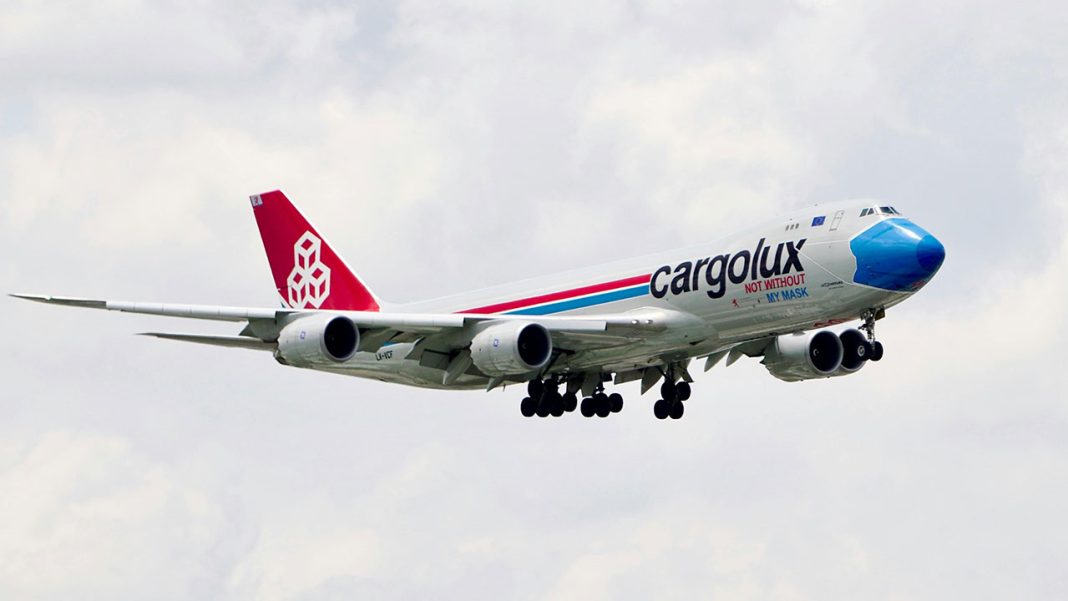
Air transport output is forecast to increase by 1.6% during 2026. This is mainly due to riding on the back of the continued growth of higher passenger volumes. Airfreight benefits from increased demand for quicker e-commerce deliveries. However, there appears to be some downside risk after Washington’s decision to end the de minimis exception for all parcels accessing the U.S. Several countries have suspended small package deliveries to the U.S. due to this development, as air freight typically handles most such movements.
Focused on the mid-term, government investment in infrastructure improvement should benefit the sector by promoting greater supply chain efficiency and reducing costs, besides stimulating demand for transportation and logistics services.
We forecast China’s robust growth outlook in the coming years, when compared to the U.S. Chinese transportation and logistics output was predicted to grow by 4.4% during 2025 but by 3.3% in 2026. The rise was largely on the back of resilience in both industrial production and exports. So far, U.S. tariffs have not meaningfully dented the overall trade balance due to Chinese exports to Asia, Africa, besides Europe increasing.