
It is expected that Kenya, an African Commonwealth country, would receive around $400 million for emergency financing. The funding would be given by the World Bank within the course of the next six weeks as the country prepares to go under various kinds of pressures. Amidst the pressures, economic, environmental and public health lie as the key main drivers.
Arranged through the World Bank’s Rapid Response Option, the funding allows countries the opportunity to redirect approved development financing towards urgent crises. According to a source familiar with the process, Kenya’s request was made in response to a sharp increase in global energy prices following the recent outbreak of war in the Middle East. However, the potential use of the funds has since grown widely to address several emerging risks.
The impact of El Niño on Kenya’s agriculture and water resources continues to be one of the major concerns for the country. The nation remains highly dependent on rainfall for its agricultural production. This most of the time leaves farmers vulnerable to weather patterns that remain uncertain and unreliable. Kenya also previously suffered severe consequences during the El Niño events of 1997–98, when heavy rains destroyed crops, damaged roads, and led to the destruction of homes.
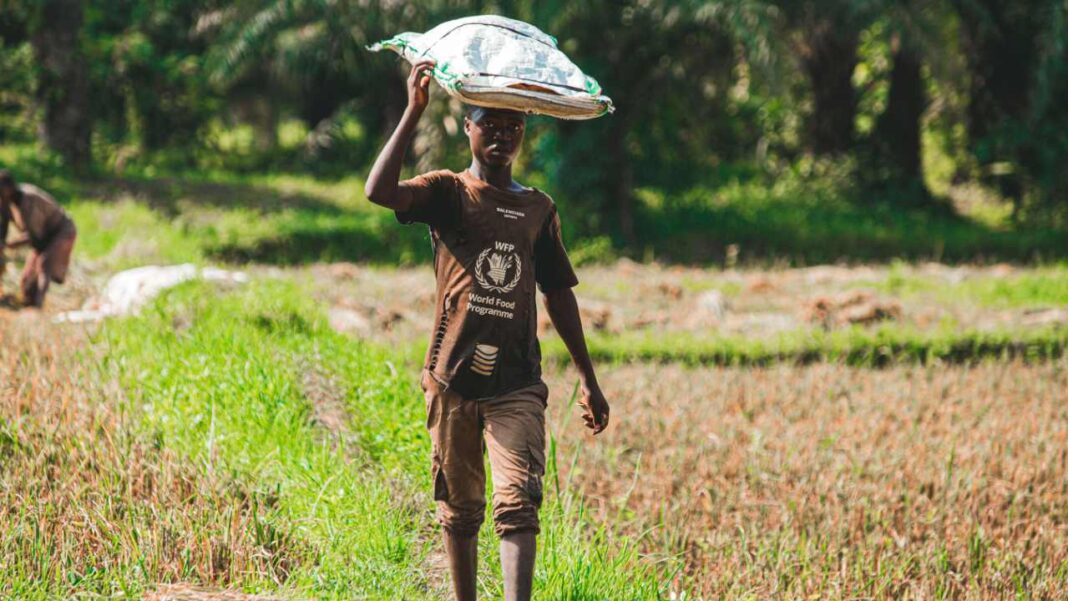
The proposed financing also comes as food insecurity remains a concern in parts of Kenya. The World Food Program has clearly warned that millions of people continue to face inadequate access to food, especially in areas which are affected by drought and other pressures which are mainly related to climate.
Public health risks are another factor driving the emergency response. An Ebola outbreak in the Democratic Republic of Congo (DRC) which happened recently and its spread into neighbouring countries such as Uganda have increased and raised the concerns about regional preparedness even further. The pressure that a health emergency could place on Kenya’s healthcare system is a major concern that should not be taken lightly.
The World Bank has already approved the projects that support Kenya’s Rapid Response Option. The final amount will depend on the country’s undisbursed World Bank balance when the emergency response agreement is completed. Kenya currently has a World Bank project portfolio worth more than $7 billion, with around $3 billion already disbursed or committed.
As a result, the financing could provide Kenya with additional room to respond to climate shocks while protecting key sectors such as agriculture, water and public health at a time when government finances are already under pressure from rising debt repayments.