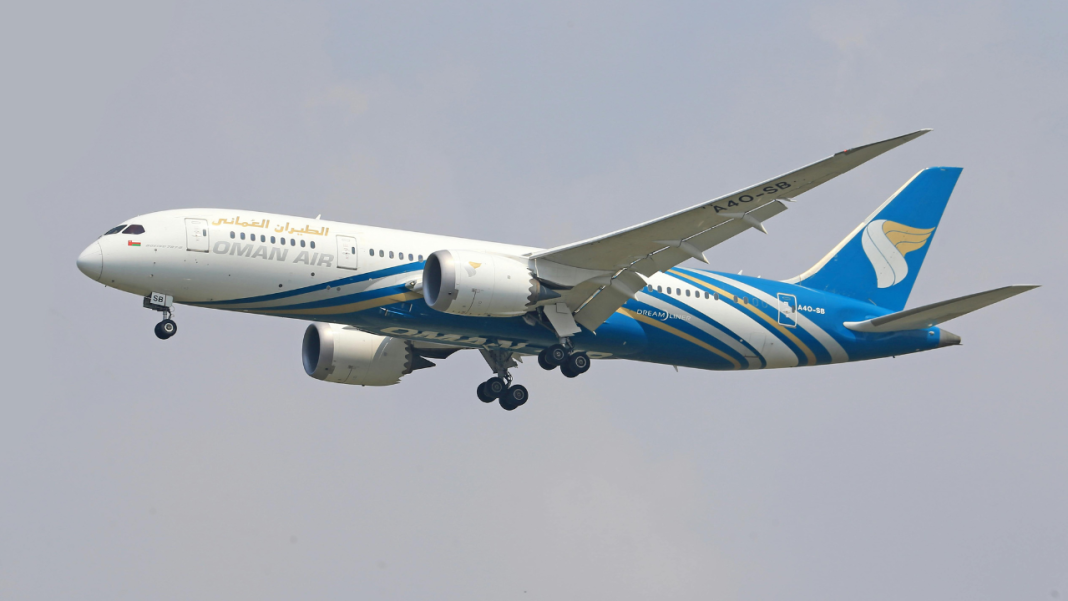
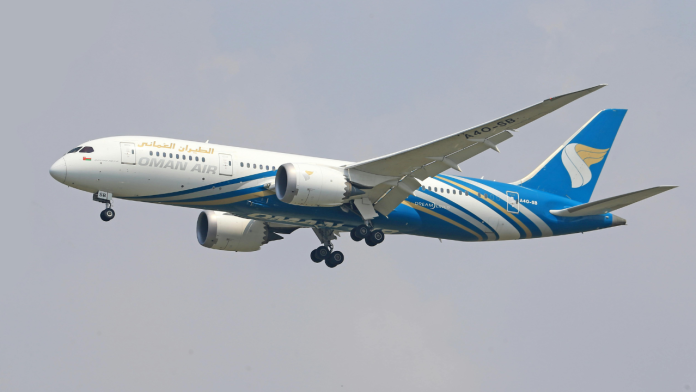

Oman Air is remapping the route between Europe and the Arabian Peninsula and doing it aboard Dreamliners, with diplomatic timing and a hint of Omani hospitality. Omani Airlines is also pushing it with new service destinations and expanded services. This summer, the Muscat-based airline announced new and expanded service routes to most of Europe’s major capitals, bringing the Sultanate closer and more tightly connected to Amsterdam, Rome, Moscow, Zurich, London, and several Nordic gateways — an indication of a strategic shift away from the Gulf’s usual hub-and-spoke patterns.
Muscat–Amsterdam, which began July 1, 2025, has become the poster child of the airline’s initiative: four-times-weekly flights operated by 787-9s covering approximately 5,505 km between the two cities, replacing what used to be the choice of routing between the two cities and travelling on the hustle-and-bustle sort of arrangement set by larger Gulf carriers. As for the Dreamliner, it’s no accident—its fuel efficiency and passenger comforts (especially Oman Air’s Apex Suites in business class, which rank very high) service international medium- to long-haul routes, which are used for leisure, visiting friends and relatives, and business.
This move adds up to more than just a handful of new destinations leaving Muscat. Oman Air’s expansion in Europe coincides with the airline announcing it will officially join the oneworld alliance, an announcement that immediately connects Muscat to the global alliance network of codeshare flights and benefits frequent fliers—something that should benefit both the tourism industry in Oman and the potential transfer traffic through Muscat. For travelers, the partnership means easier connections across countries on different continents, as well as access to new lounge space and benefits from the combined loyalty programmes.
The practical aspects also give clues about a bigger picture: Zurich is coming back as a seasonal destination, Amsterdam is expected to have multiple weekly flights, and Rome will certainly be frequent as well, and there is significant increased frequency on the flights to London and Moscow — indicating that Oman Air is clearly going after the business travel corridors and also weekend city-break traffic. Even on the cargo side of things, there are plans to increase capacity on some routes, which again points to the idea that London and Rome are seen as commercial trading points through Muscat and back to Europe.
This development is doubly intriguing for travellers who are intrigued by new destinations and are curious. Muscat is not simply a stopover; it’s becoming a place where dramatic wadis, frankincense heritage and a compact old town are just four hours’ flight from most of Europe. With newer frequencies and Dreamliner comfort, Oman Air is banking on passengers to both pass through and stop—and it believes that Europe’s seasonal peaks align well with a warm and captivating culture in Oman that operates year-round.
In summary, Oman Air’s timetable changes are like small gears in a bigger machine: a more connected Muscat, more sensible fleet use, and a clearer invitation for European travellers to discover a quieter, historic corner of the Arabian Peninsula.