
A 57-year-old German tourist visiting Egypt’s Red Sea resort town of Hurghada to sample the many cultural experiences offered, such as a snake-charming display at his hotel, experienced a unique demonstration of Egypt’s mystical, cultural rituals through a snake charmer’s use of live snakes.
Sadly, the charming display of managing live reptiles by the performer transformed into a tragedy for one (1) of the attendees during the snake charmer’s live performance.
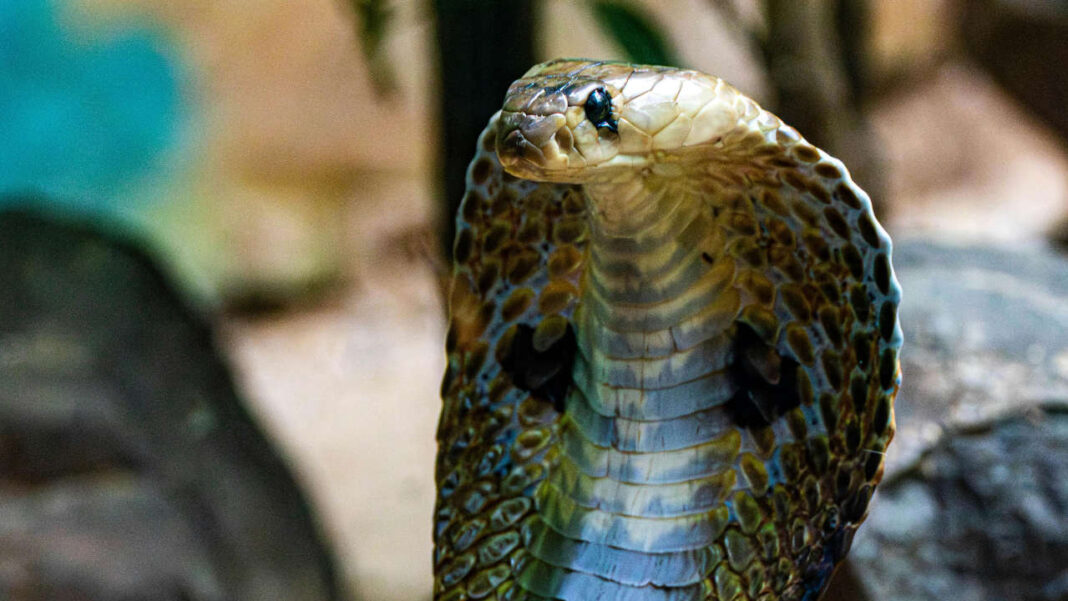
As is usual with a snake charmer’s show, the audience could interact with the snakes and the performer. During the performance, one of the performers draped a snake (a cobra) on one of the audience members, and as the performer placed another snake on the German tourist, the snake entered the German tourist’s shirt, causing him to die from the snake’s poisonous bite.
When the cobra attacked the victim, he immediately exhibited classic symptoms of envenomation, collapsed, arrested, and could not be revived despite attempts at resuscitation and transportation to a hospital within moments of the accident. The German authorities are conducting an investigation to determine the exact cause of death, with toxicology tests pending and an investigation still underway.
Many people think that snake charmers “hypnotize” snakes with music; however, snakes do not actually respond that way. What happens is that snakes will respond defensively to any movement or vibration, which makes them dangerous regardless of whether or not they have been handled previously.
Snakes cause a large number of fatalities each year and represent a significant global health issue, according to the World Health Organization. Estimates place the number of fatalities from snake venom at 81,000 to 138,000 throughout the world, and snake bites are often much more common than the public perceives, particularly in tourist areas.
Hurghada has long been a seaside resort town where visitors enjoy beautiful, high-end hotels along with crystal-clear waters. In previous years, tourists have encountered other strange tragedies, including shark attacks and injuries or fatalities in boating accidents. However, this incident is much more surreal than any previous occurrences; it took place not in the ocean or on the beach, but on an entertainment stage specifically built to provide tourists with entertainment.
This event also raises further questions about the acceptable level of risk associated with cultural activities involving animals. Where does cultural exposure end and unacceptable risk begin??
One family now has to live with the answers to these questions, along with the unfortunate reality that their holiday memories will only be remembered as international news stories depicting them dealing with the aftermath of their vacation gone horribly wrong.