
Vanuatu is considering significant changes to the implementation of maritime weather restrictions. The authorities are investigating the possibility of applying safety regulations to each vessel, rather than imposing general criteria applicable to the entire fleet.
The idea is even more relevant given the geographical context of Vanuatu, where different sea, wind, and wave patterns can turn a routine voyage into a dangerous journey.
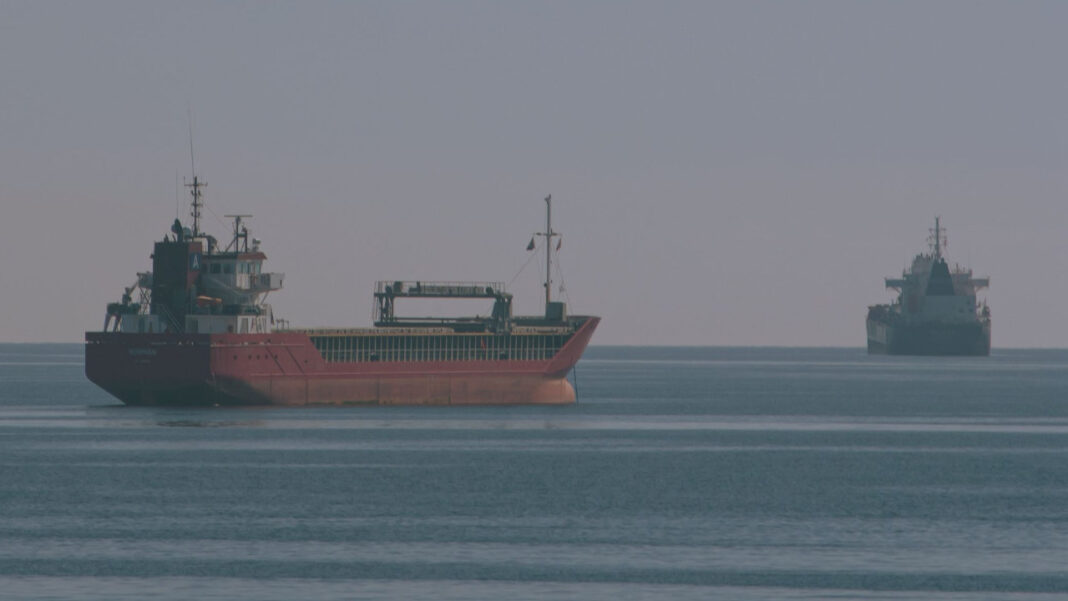
By incorporating the size and shape of the ship as well as its stability and handling characteristics into the set of criteria that need to be considered in determining whether the ship can sail under adverse weather conditions, one is likely to differentiate between different types of vessels, which can vary considerably in terms of their stability and manoeuvring abilities.
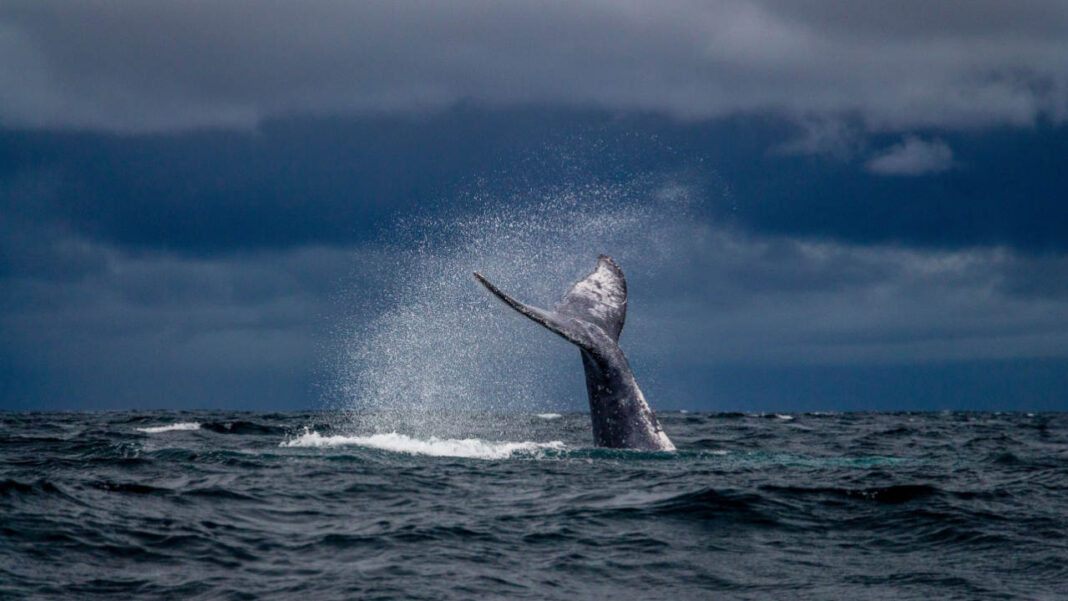
The issue under discussion is applicable on September 18, 2026, when a marine strong wind warning was reported by the Vanuatu Meteorology and Geo-Hazards Department (VMGD) for all coastal waters of Vanuatu. The winds were predicted to blow from the southeast, going at a speed of 21–25 knots with rough seas of 2.5 metres. VMGD mentioned that these conditions could endanger small-size vessels.
The idea of changing regulation now appears to reflect a larger concept that is vital to today’s maritime safety: the same state of the sea does not mean that the level of danger is the same for different types of vessels. International marine regulations have already accepted that vessels operate differently, and thus they must be treated separately.
In Vanuatu, as maritime transport is essential in interlinking its islands and populations, the debate has implications that extend beyond shipping regulation. An overly inclusive rule may result in an unnecessary restriction of vessels, while one that is overly lenient may expose weaker and less capable vessels to potentially unsafe conditions.
The underlying problem, therefore, is one of identifying not only when the sea is too rough but also which vessel is able to operate safely under those conditions.
As Vanuatu deliberates on the proposal, its maritime authorities are, in essence, attempting to answer the question: Should the rule refer to the sea or to the vessel?