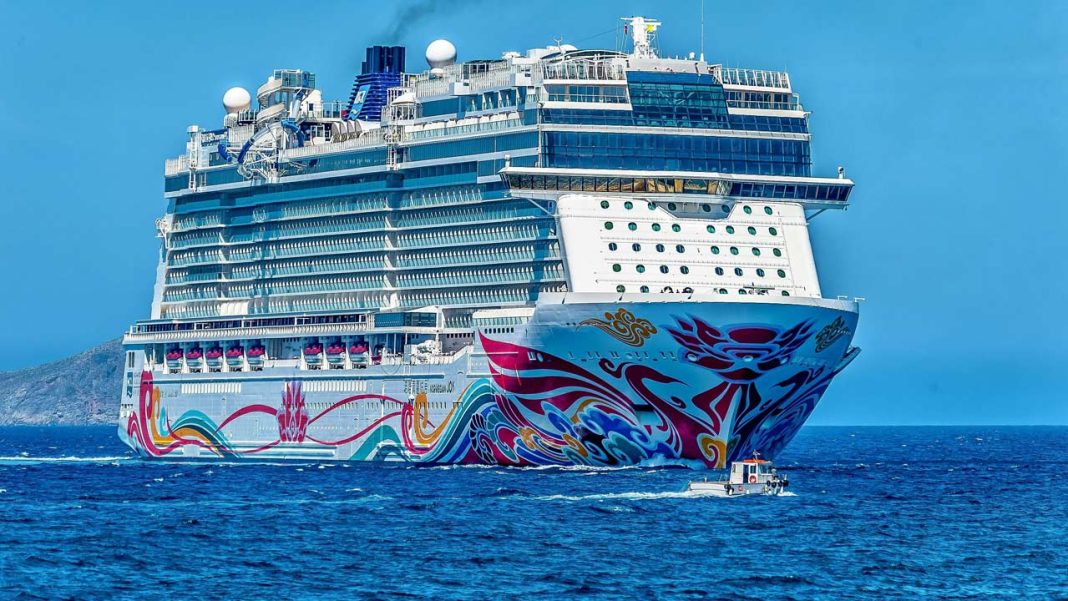

The UAE has quietly transformed a crucial aspect of its tourism strategy. On September 29, the Federal Authority for Identity, Citizenship, Customs and Port Security (ICP) announced a multiple-entry cruise worker visa—a short line on paper with outsized consequences for crew logistics, shore-leave flexibility, and the country’s ambitions as a regional cruise hub.
Why it matters: cruise ships depend on quick, predictable crew rotations. Engineers, hospitality staff, and technical teams routinely move between ships and ports on tight schedules; paperwork delays mean wasted berth time and frayed timetables. The new visa allows crew members to enter and re-enter ports in the UAE more easily, allowing longer stays, smoother transitions between contracts, and less of the burden of paperwork for operators staging winter seasons out of Dubai and Abu Dhabi.
The timing is keenly strategic. The Arabian Gulf has turned into a seasonal destination for cruise lines, with Dubai and Abu Dhabi hosting the vast majority of homeport operations in winter—with estimates from industry sources suggesting nearly a million cruise passengers every year across the two. By removing friction for crew and for transit passengers, the UAE has further positioned itself as a more attractive and resilient homeport for a growing number of cruise lines with an eye on that consumer demand.
Furthermore, this change isn’t simply one adjustment. The ICP’s wider reforms have rolled out a set of value-based visit permits—from AI specialists to entertainers and participants at events—meaning that supporting economic clusters, not just tourists, is now a governmental immigration strategy, and for cruise lines as one of those clusters, policy consistency that allows for growth, rather than complicating it, is the aim.
Practical advantages for cruise passengers and ports: a multiple-entry arrangement makes onboard shore leave easier and, when combined with other changes, can make switching ports at the last minute less expensive. As for crew members—those who often work short contracts and move from one ship to another—this change saves time associated with visa runs and paperwork, allows ships to stay on schedule, and allows ports to maximize berth throughput. Industry experts say the proposal is exactly the kind of policy nudge that supports broader investments in terminals and itineraries throughout the Gulf region.
In short, a single new visa category does more than make formalities easier: it accelerates the UAE’s slightly more ambitious cruise strategy. Seasoned observers can anticipate cruise schedules squeezing longer itinerary gaps, shore-side service expanding, and the Arabian Gulf becoming an ever more attractive winter destination for cruise liners and the thousands of crew members who service operation.