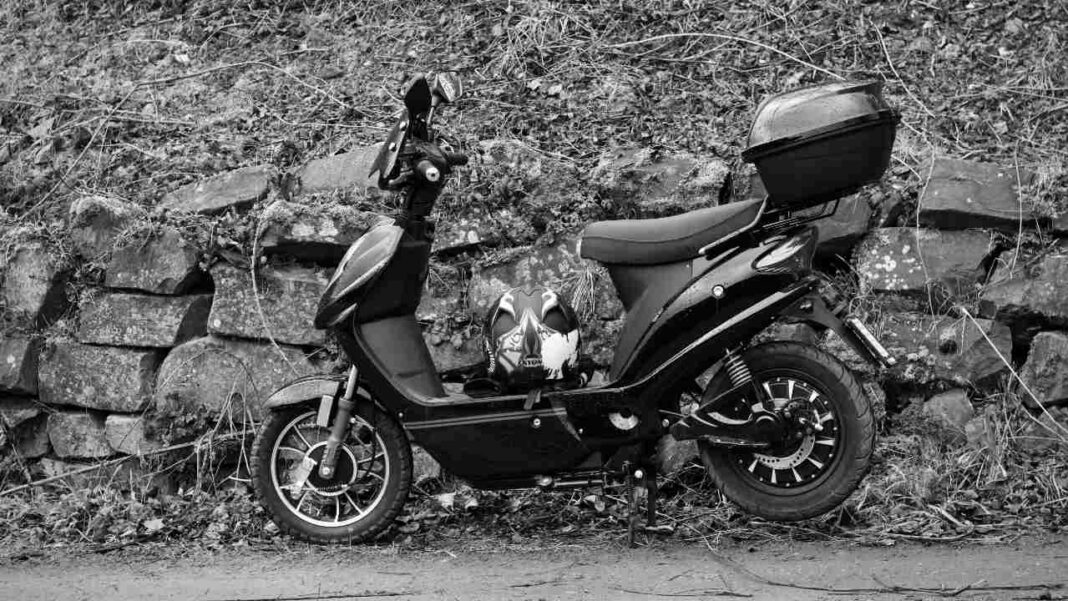

Rwanda has set a precedent in Africa’s electric mobility future by making a drastic move. The country became the continent’s first nation to introduce the concept of interoperability for battery swapping in electric motorcycles following the enactment of Regulation No. 011/Energy/RURA/2026 by the Rwanda Utilities Regulatory Authority (RURA) on June 29, 2026. It means that riders should be able to use the battery-swapping stations of any operator or brand. Existing operators are given two years to adapt to the new fast-moving standards.
But it is more than just a technical shift. It is a serious challenge to the previously existing closed models that were slowing down the process of electric motorcycle adoption in Africa. According to the new initiative introduced by RURA, electric vehicles should be technically compatible with battery-swapping stations, but some service expectation requirements have also been established, such as high uptime of stations, smart charging options, a pricing policy, and a maximum waiting time of less than 20 minutes.
Rwanda’s decision to introduce electric boda-bodas is the next step in the larger strategy that has been evolving for the country over a longer period. Back in March 2024, the authorities had already started implementing the plan to gradually eliminate gasoline-powered motorbikes in favour of their electric counterparts. This convinced everyone that Rwanda regards two-wheel electrification not merely as an experiment, but rather as a valuable mode of transportation. Kigali’s geographical layout and reliance on mobility made motorcycles a crucial part of Rwanda’s transition to ecological transport.
This measure may have effects going beyond the borders of Rwanda. Experts are saying that the Rwandan approach may serve as an example for other East African countries, where local drivers face a situation of fragmented swapping networks, downtime, and infrastructure limited to specific brands of the vehicle. Thus, by causing harmony across the entire system, Rwanda tries to create the conditions for the functioning of the market that combines both comfort and competition.
Naturally, the most recent action taken by this country is more than simply a transport development. So, it serves as a test to see if public rules can quickly help create a system for electric motorcycles that works well for both everyday riders and delivery services, while also supporting climate laws. On June 29, 2026, Rwanda did not only revise some regulations – it may have significantly changed the landscape regarding e-mobility in Africa.