
In recent years, Europe has emerged as a global leader in the green transition movement, spearheading sustainable practices and renewable energy initiatives. Faced with the pressing challenges of climate change and the need to reduce greenhouse gas emissions, European countries have taken bold steps towards a cleaner and more sustainable future.
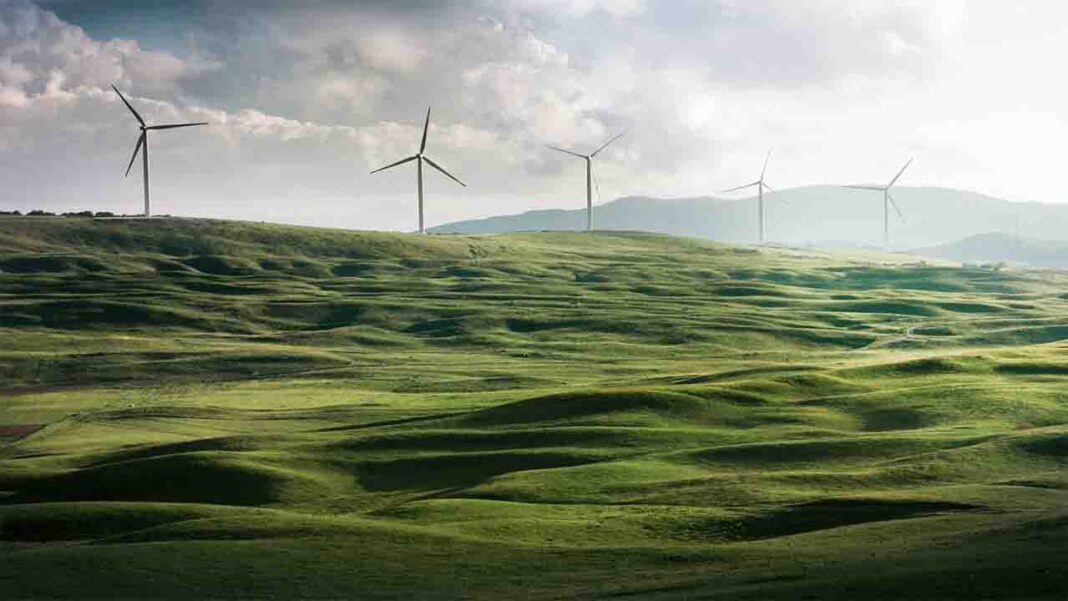
One of the cornerstones of Europe’s green transition is the adoption of renewable energy sources. Across the continent, countries have made substantial investments in wind, solar, and hydroelectric power, harnessing the abundant natural resources available. Wind farms have sprouted across the North Sea, with countries like Denmark, the Netherlands, and Germany leading the charge. These wind farms not only generate clean energy but also create employment opportunities and contribute to regional development. Solar power installations have also witnessed significant growth, particularly in southern European countries like Spain, Italy, and Greece, where abundant sunshine offers an ideal environment for solar energy production. Additionally, hydroelectric power plants, such as those found in Scandinavia and the Alps, provide a reliable and renewable energy source.
To support the transition to renewable energy, European governments have implemented ambitious targets and policies. The European Union’s Renewable Energy Directive sets binding targets for member states, aiming to reach a 32% share of renewable energy consumption by 2030. Governments have also introduced feed-in tariffs, tax incentives, and subsidies to encourage investment in renewable energy projects. This comprehensive approach has facilitated the rapid expansion of renewable energy capacity, creating a more diverse and sustainable energy mix.
Beyond renewable energy, Europe’s green transition encompasses various sustainable practices aimed at reducing environmental impact. Energy efficiency measures have gained prominence, with initiatives focused on improving the energy performance of buildings, promoting energy-efficient appliances, and encouraging the use of smart grid technologies. The European Union’s Energy Efficiency Directive sets targets for reducing energy consumption and increasing energy efficiency, driving innovation in sectors such as transportation, industry, and agriculture.
European cities have emerged as pioneers in sustainable urban development. Urban planners and policymakers are promoting compact and livable cities, integrating green spaces, and prioritizing public transportation, cycling, and walking over private vehicles. Many cities have implemented congestion charging, low-emission zones, and electric vehicle infrastructure to reduce air pollution and promote cleaner mobility options. The concept of “smart cities” is gaining traction, leveraging digital technologies to optimize energy use, manage resources efficiently, and enhance the quality of life for citizens.
Moreover, Europe’s green transition extends beyond its borders through international cooperation and collaboration. The European Union has been actively engaged in global climate negotiations, advocating for stronger commitments and fostering partnerships with other nations. The Paris Agreement, a landmark international accord on climate change, received strong support from European countries, underscoring their commitment to reducing emissions and transitioning to a low-carbon economy.
The green transition is not without its challenges, and Europe continues to address them proactively. The intermittent nature of renewable energy sources necessitates investment in energy storage technologies, such as battery systems and hydrogen infrastructure, to ensure a reliable and stable energy supply. Grid infrastructure must be modernized and upgraded to accommodate the decentralized nature of renewable energy generation. Additionally, the phase-out of fossil fuels requires careful planning and consideration for affected industries and communities, necessitating a just transition approach that ensures no one is left behind.
In conclusion, Europe’s green transition represents a paradigm shift towards sustainability and renewable energy. Through robust renewable energy initiatives, ambitious targets, and sustainable practices, Europe is driving the global transition to a low-carbon future. By prioritizing innovation, collaboration, and long-term planning, European countries are setting an inspiring example for the rest of the world, demonstrating that economic prosperity and environmental stewardship can go hand in hand. However, the journey towards a sustainable Europe is ongoing, and continued commitment, investment, and cooperation will be crucial in realizing a greener and more prosperous future for all.