

Just before the economic effects of the war in the Middle East started to hit the markets globally, the economy in the UK showed massive growth in their economy, which was stronger than typically expected. This was identified according to a Guardian live business report that covered new GDP data as well as market reactions.
The Office for National Statistics revealed official figures that showed that there was a 0.5% economic growth in the UK in February 2026, which is quite prominently higher than economists’ forecasts of 0.1%. The main reason for this growth was the service sector’s strong performance, along with the profits made from production as well as construction. Retail, hospitality, and professional activities and services highly contributed to most of the increase, while in the meantime, construction was comparatively weaker.
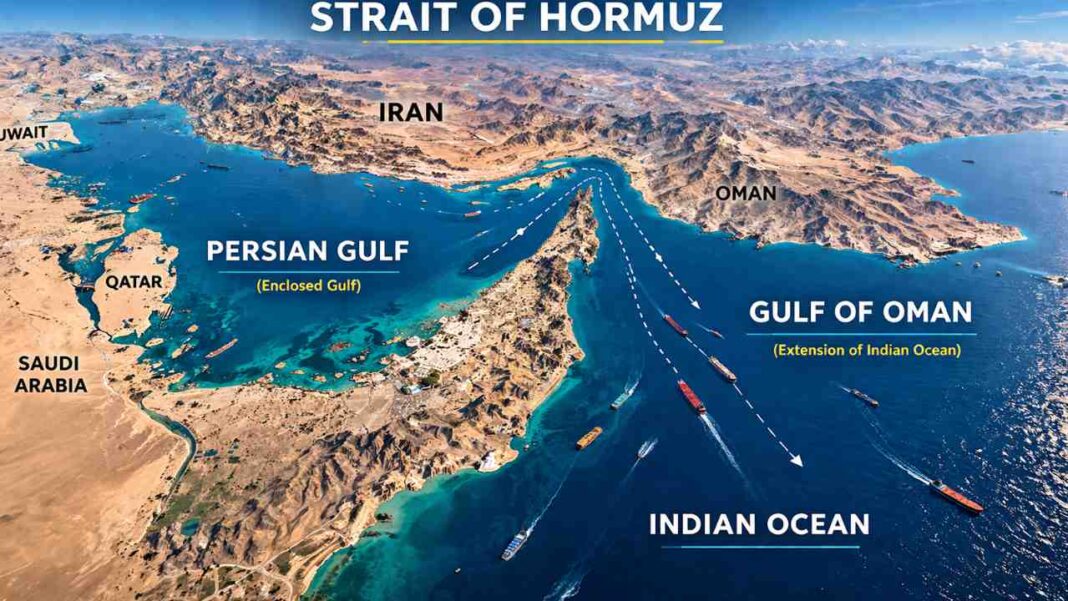
Regardless, the report highlights that these conditions before the outbreak of the Iran war are shown by this growth, which has ever since then triggered large disruptions in energy markets globally. Oil and gas prices have risen sharply due to this conflict, which has increased costs for households as well as businesses, leaving the concern about inflation coming back more strongly than expected. Economists continue to warn that this energy shock could quickly weaken the UK’s recent momentum and decrease consumer spending in the future months.
Financial markets have reacted with caution. The FTSE has shown volatility, while the pound sterling has fluctuated, partly influenced by hopes of possible diplomatic progress in the Middle East and expectations that interest rate decisions from the Bank of England will remain cautious. Investors are closely monitoring inflation data, as rising energy costs could compel the central bank to postpone rate cuts or even contemplate further tightening of policy.
Rachel Reeves, UK Chancellor, highlighted that monitoring by the government is done to analyze rising energy pressures and their impact as well as end results on the public’s finances and household bills. In the meantime, the IMF and such international institutions have warned that there could be a sharper decrease in growth forecasts if there is a continuation in the energy shocks in the UK.
In summary, one can identify how the Guardian report shows quite a mixed picture on how strong the economic performance is before the war and how it is overshadowed by a subtly growing uncertainty due to geopolitical tensions and rising energy prices, which could prominently slow the growth through 2026.