
SUVA, August 21, 2026 – Fuel security has emerged as a critical issue for two Pacific Island nations that are located far apart from each other across vast stretches of ocean.
Fiji and Tonga have undertaken new initiatives to partner with various fuel suppliers, as the disruption in the energy industry reveals the weaknesses of Pacific economies that are highly reliant on imported fuel.
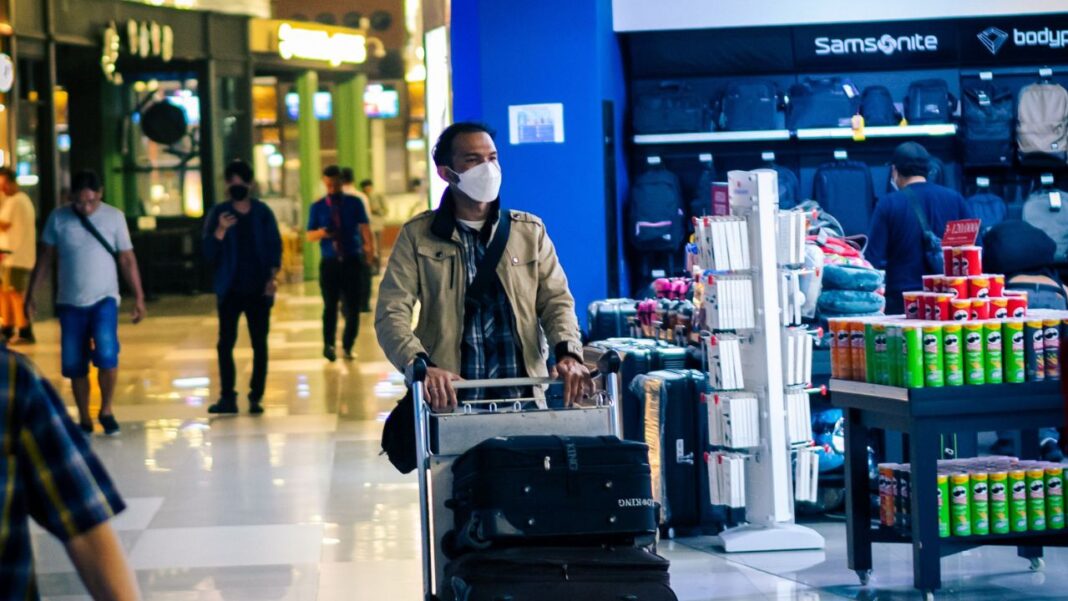
Fiji’s urgency became clear during the past week when a temporary fuel shortage caused certain airlines flying to and from Fiji to take a refuelling stop outside the country while fuel shipments arriving at the Nadi airport are still being processed. A representative of Fiji Airways stated that, because of the problem with certain fuel deliveries, the airport has been out of aviation fuel for a few days now and asked for clarification as to which fuel deliveries needed to be submitted to a fuel testing process and clearance.
This issue is not entirely new. It was on March 17, 2026, that the Cabinet of Fiji sanctioned the measures to improve fuel supply resilience and crisis management in light of the geopolitical instability in the global energy markets. The authorities stated that Fiji has delivery arrangements ensuring up to three months of national fuel supplies.
For Tonga, this problem is even deeper. It imports 100% of its fuel, and thus it makes all its approximately 100,000 residents living on more than 170 islands susceptible to delays in shipping and fluctuations in international prices.
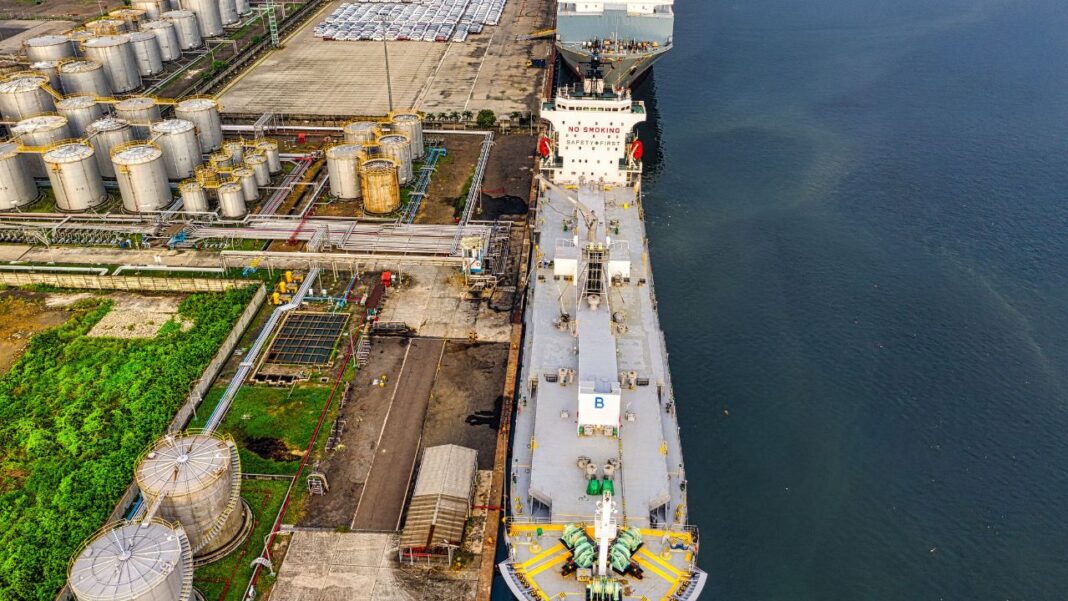
On August 13, 2026, the U.S. Trade and Development Agency made an announcement that is likely to change Tonga’s fuel supply situation significantly, as they agreed to provide funds for a feasibility study of the modernisation of Tonga’s transport and storage infrastructure. The project may make it possible for Tonga to receive fuel via bigger medium-range tankers directly, thus eliminating costly transshipments via third countries.
Moreover, the planned modernisation will increase Tonga’s fuel storage capacities from approximately 15-20 days to around 60 days.
Therefore, the key point here is not only about finding more fuel but also about transforming the energy supply dynamics in the Pacific, with Fiji and Tonga looking for new suppliers and bigger stockpiles and shipping routes before the next global crisis breaks out.