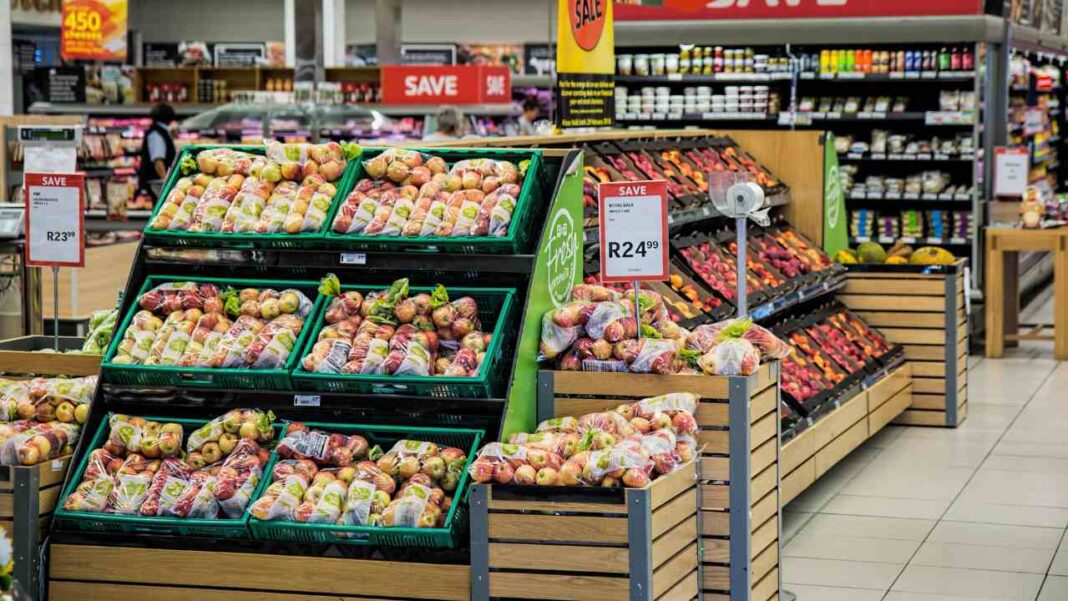

While households in Australia and the rest of the world continue to face high costs of living, as an aid to this, a new type of supermarket has emerged to help people set a table of food for supper. This specific type, known as “social supermarkets“, are stores which focus on community by providing affordable groceries, while also helping to reduce the stigma that is mostly seen with traditional food relief services.
The uniqueness of social supermarkets lies in the fact that, unlike regular food banks or emergency food hampers, they allow customers to browse the shelves, select the products they need, and pay a small amount for their purchases. This grants a similar regular supermarket-visit-like experience that seems normal, which gives people a greater choice and independence while also making sure that access to nutritious food is given at a significantly reduced cost.
The rising costs of housing, utility bills, inflation, and other everyday expenses have placed significant financial pressure on Australian citizens. Food insecurity is no longer limited to homeless or unemployed individuals; it now affects working families, renters, pensioners, students, and many others employed in various sectors, with numerous people seeking assistance for basic needs.
Researchers and community organisations have noted that food insecurity is becoming a widespread issue that affects people from diverse backgrounds. Many individuals who once considered themselves financially stable are now finding it difficult to cover essential expenses after paying for housing, transport, and other necessities.
Dignity and personal choice are one of the key differences between social supermarkets and traditional food relief programmes that one could see. Customers, having the option to select what they need that suits their dietary requirements instead of just receiving pre-packed boxes or bags of food, show how this concept has considered many ideas, such as cultural preferences, family circumstances and creating an experience that seems refreshing and usual to the mindset.
Several Australian organisations have embraced this concept. Community groups such as Geelong Foodshare, Westcare in Adelaide, and The Food Centre in South Australia have designed spaces that are developed in a supermarket style where people can have access to groceries that are within their budget while also receiving additional support from services.
Many social supermarkets operate alongside programmes that provide financial counselling, employment assistance, budgeting support, education opportunities, and connections to community services. The goal is to help individuals and families improve their long-term circumstances rather than simply offering short-term relief.
Advocates think that this approach is highly important as food insecurity is often linked to much larger issues in the economy and social events. Many issues such as rising rents, increasing mortgage repayments and casual employment, together with wages that are stagnant and high living costs, are all contributing aspects to the growing stress on finances that people are facing, especially amongst the Australian households. One can see how social supermarkets are becoming a crucial part of the support network that people in vulnerable communities need, especially as more individuals seek affordable ways to manage their household budgets.
While social supermarkets are not a complete solution to Australia’s cost-of-living challenges, they are providing practical assistance to thousands of people. By combining affordable food with broader support services, they offer a model that addresses both immediate needs and long-term wellbeing.
As the uncertain situation in the economy continues, the rise of social supermarkets shows everyone how innovative community initiatives can help Australians and the entire world access essential groceries while maintaining dignity, choice, and hope for a more secure future.