
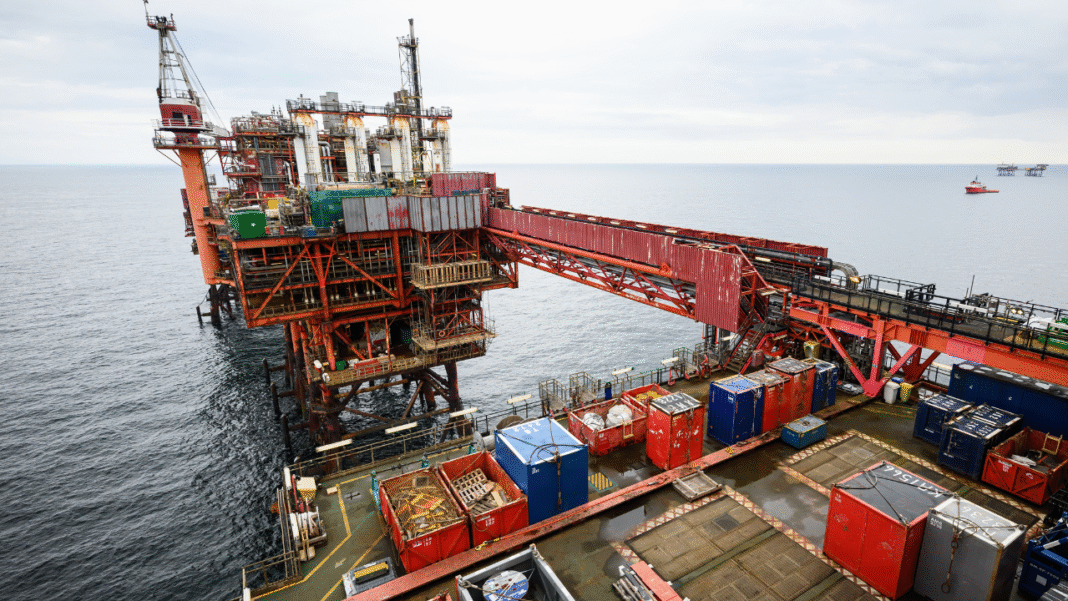

Environmental (Commonwealth Union)_ New government environmental guidance has been released that could change the future of oil and gas extraction in the North Sea by obligating developers not only to factor in production emissions but also those associated with when the fuel is finally burned.
It is a direct reaction to a landmark Supreme Court ruling last year, which held that local authorities had not considered the full climate impact of new oil wells in Surrey. The precedent has been used across the industry, with developers now being asked to include “Scope 3” or downstream emissions in their environmental impact assessments (EIAs), something that could scupper or save unpopular schemes like Rosebank and Jackdaw.
This week, the revised guidance surfaced, expanding the application process to include oil and gas firms operating in areas already licensed. But while operators can make fresh EIAs, they will not receive final permission to produce any hydrocarbons until UK ministers decide whether or not the climate price can be paid.
A New Level of Oversight for Rosebank and Jackdaw
The previous UK Conservative government approved both the Rosebank oil field, located 80 miles from Shetland’s west coast, and Shell’s Jackdaw gas field. Both the Rosebank oil field and Shell’s Jackdaw gas field must reapply for consent under the tighter rules following a judicial review and a Court of Session ruling in Edinburgh earlier this year.
This necessitates that any environmental analysis go beyond greenhouse gases from drilling and infrastructure. Developers also need to project the quantity of global-warming pollution to be induced when the oil or gas is consumed by consumers and how it compares to the economic and energy security benefits of the project.
Lord Ericht, the leader who guided the Scottish administration, assured that activities on both the fields can proceed even during the stage of reassessment, but extraction cannot start unless new approvals are issued.
Government Walks a Fine Line
UK Energy Minister Michael Shanks characterized the new approach as “a step forward in ensuring the full implications of oil and gas extraction are considered,” and indicated the guidance will allow for a “managed, prosperous, and orderly transition to the North Sea’s clean energy future.”.
Energy Secretary Ed Miliband, who previously referred to the Rosebank scheme as “climate vandalism,” is now under pressure to transform his words into action. His department said it would weigh a project’s effect on the level of greenhouse gases as well as economic and strategic factors before making any decision, but no decisions will be made until autumn.
The First Minister, John Swinney, had a warm reception for the new clarity, saying it is in line with his government’s policy that all emissions must come into environmental decision-making.
Climate Campaigners: “A Real Test of Credibility”
Green campaigners cautiously welcomed the news, insisting that science, not politics, should guide future approvals.
Uplift campaign director Tessa Khan further added: “Oil and gas companies will finally be forced to take responsibility for the monumental harm they are causing. If the government sticks to the science, it will reject Rosebank.”
Greenpeace UK also expressed the same sentiments, its climate head Mel Evans warning: “Granting Rosebank permission would be a political trick which lines the pockets of oil companies, not the British public. Genuine energy security is from cheap, home-produced renewables not expensive fossil fuel projects which are going to destroy the planet.”
The Rosebank field alone would produce emissions equal to 56 coal-fired power stations for one year, Greenpeace said.
Shell, however, defended its Jackdaw scheme. It said in a statement that the company is “reviewing the guidance” but maintained the value of Jackdaw to Britain’s energy security, adding that it would heat 1.4 million British homes.
A Summer of Uncertainty Ahead
While the guidance re-prioritizes shelved projects, it offers no guarantee of approval. Developers will have to spend many hours assembling comprehensive analyses, calculating all the emissions that go with them, modeling their contribution to global warming, and making a compelling case that their benefits outweigh their climate cost.
The new evaluation system will judge each project individually. But with the announcements not expected until at least August, the summer will be one of uncertainty.
However, this policy update is a milestone moment in how the UK negotiates climate commitments with energy demands and how it imagines the future of the North Sea.


