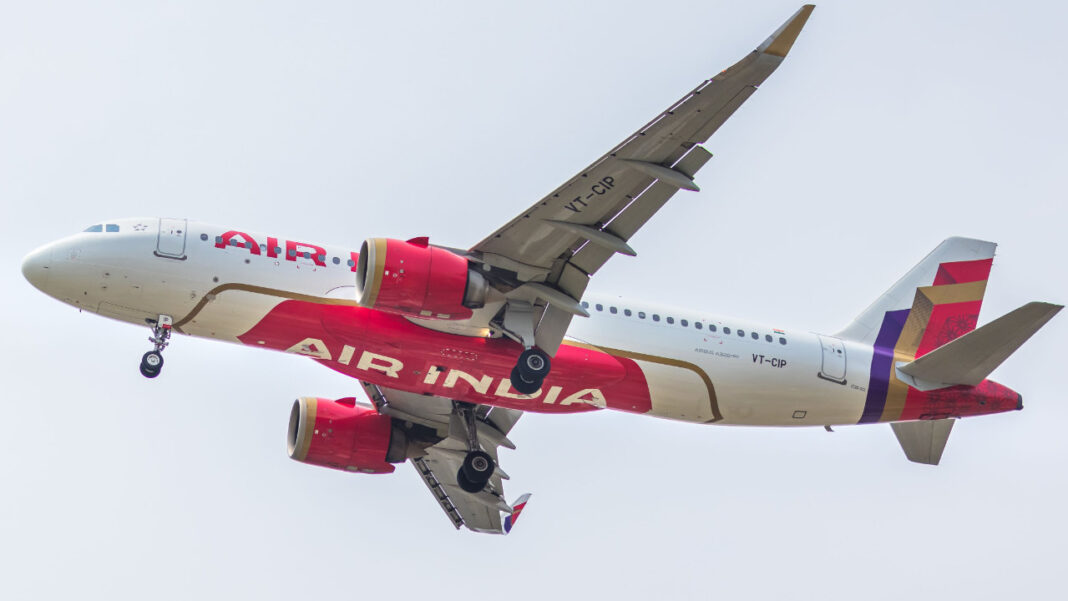
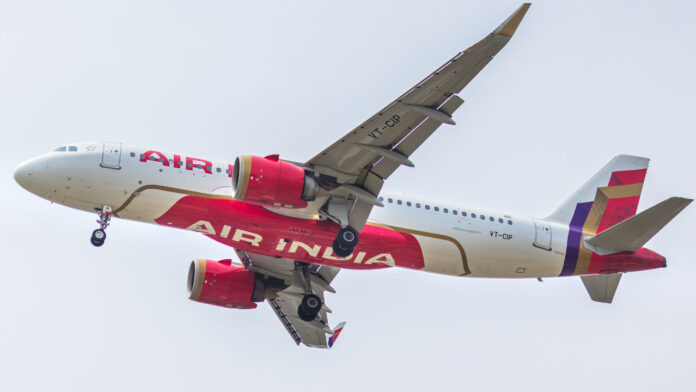

On Wednesday morning, passengers and crew aboard an Air India flight from Delhi experienced a routine domestic arrival with new-found tension when the aircraft was struck by a bird as it approached Raipur Airport. Airport Authority officials stated that, while the aircraft landed without any injuries to those on board, what could have been an aeroplane fright ended up being an outstanding example of calm procedures, thorough checks, and air safety protocols working exactly as intended.
The event took place during the most dangerous phase of flight (i.e., during approach and landing), and it is no surprise considering aviation safety data from the United States, Federal Aviation Administration (FAA) show that approximately 61% of bird strikes with fixed-wing civilian aircraft occur while descending down to the runway during approach, landing, or landing roll. Additionally, the FAA recommends that more than 90% of bird strikes be reported as occurring below 3,000 feet above the ground; thus, there is one reason to devote attention to wildlife risk management at airports near runways and approach paths.
After Air India’s aircraft was struck by a bird, standard operating procedures (SOPs) were followed to inspect the integrity of the aircraft and to ensure it was fit to continue to operate. According to the airport team, all necessary inspections and safety checks were completed prior to the aircraft receiving clearance to resume its scheduled departure. This demonstrates that through a robust maintenance and inspection program, an event that could have caused major disruption to operations is converted into a controlled technical stop versus an emergency.
Bird strikes are among the most common operational hazards in aviation; they are not uncommon at airports and occur at every point in an aircraft’s operational cycle. However, the potential implications of these strikes can range from little or no impact (cosmetic damage) to significant engine or structural failures (total loss) based on the size of the bird, location of impact, and phase of flight. The International Civil Aviation Organization (ICAO) has identified wildlife strikes as a significant aviation safety problem, and it is evident from its reporting data that a high percentage of wildlife strikes occur on/near airports (around an airport – more than 1.5 km from the runways) and that they tend to occur predominantly during takeoff and landing.
As a result, airport wildlife management has emerged as a special safety discipline. Runway monitoring, habitat management, bird-scaring techniques and post-strike inspections all work together to keep aircraft operations predictable and safe from harm. In this case, the workers acted quickly to find out what happened, check the plane, and let it fly again after a full investigation, making sure that the flight could go back to normal without any more problems.
The Raipur case stressed that in today’s airline world, safety is more than just having modern aeroplanes fly pilots. The environmental defences surrounding each flight also determine its safety. A bird flying into an aircraft during landing may be a momentary event; however, in aviation, every moment requires precision, restraint and verification. These barriers held true on Wednesday.