
The US and Iran have agreed to “stand down” after a recent exchange of strikes, according to media reports. A US official confirmed the development to reporters. Tensions rose around the Strait of Hormuz. Both sides accused each other of breaking a ceasefire. The US official said commercial ships should now move freely through the waterway. He also said talks about a lasting deal would continue.
Iran refuted claims that they had scheduled technical talks for this week. However, US President Donald Trump said a meeting will happen in Doha. He said Iran asked for the meeting. White House officials said US envoy Steve Witkoff and Jared Kushner will attend high-level discussions in Qatar. They said talks will focus on a memorandum of understanding.
On 17 June, the two countries signed a 14-point agreement. It called for an immediate and permanent end to military actions. Iran also agreed to help ensure safe passage for commercial shipping for 60 days without fees.
Despite the agreement, fighting continued. A cargo ship was hit in the Strait of Hormuz. The US responded with strikes on targets inside Iran. US Central Command said the strike was a response to ongoing attacks on shipping.
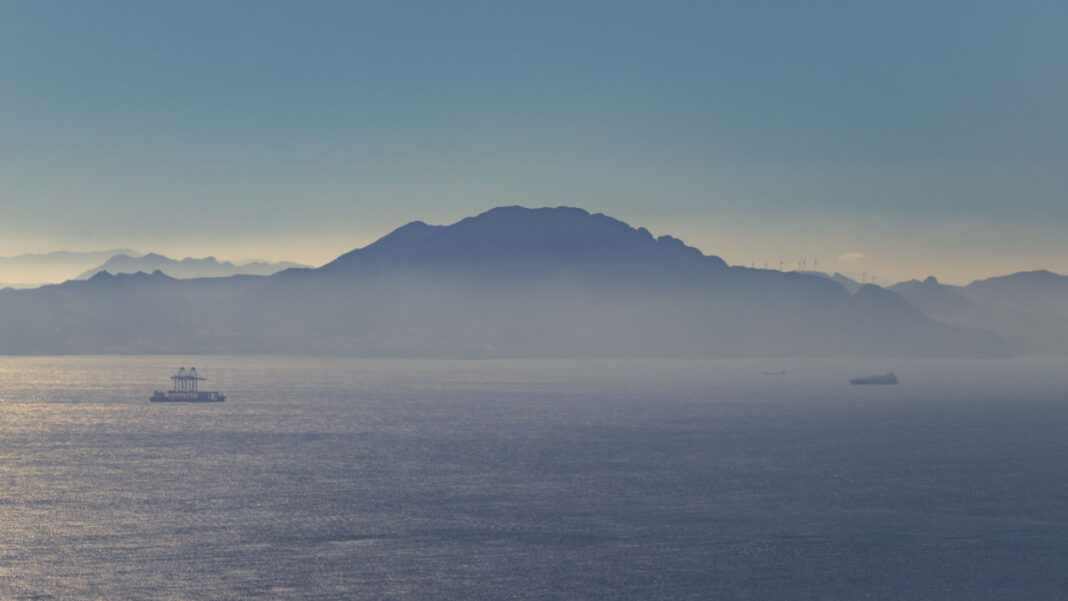
Iran then launched strikes on US bases in Kuwait and Bahrain. The US reported that the missiles missed their targets, resulting in no damage or injuries. The Strait of Hormuz is a key route for global oil and gas trade. Any disruption there affects energy supply and prices worldwide.
In a separate development, the US helped mediate a framework deal between Israel and Lebanon. It aimed to reduce fighting and build long-term peace. But Hezbollah rejected the agreement. Israel later said it struck a long tunnel used by Hezbollah in southern Lebanon. Israel said it contained weapons. The US was informed before the strike. Iran said peace in Lebanon is needed for any wider ceasefire to work.
International mediators continue to monitor the ceasefire and encourage both sides to reduce tensions through dialogue and restraint region-wide. Maritime security in the Strait of Hormuz remains critical for global energy markets and international trade stability across regions worldwide.
Diplomatic efforts in Qatar aim to rebuild trust and establish clearer communication channels between Washington and Tehran, moving forward soon. Regional stability remains fragile as ongoing disputes, military responses, and political disagreements continue to threaten any lasting peace arrangement in the Middle East.