
On July 9, 2026, the suffering families of Fiji have found a glimpse of light at the end of a lengthy and challenging path. Following the landslides that occurred six years earlier because of Cyclone Ana and made it impossible for them to continue their lives in the ruined village in Nabavatu in Macuata Province, the families are now ready to move to their new place of residence, which will provide them with a chance to live their normal lives again.
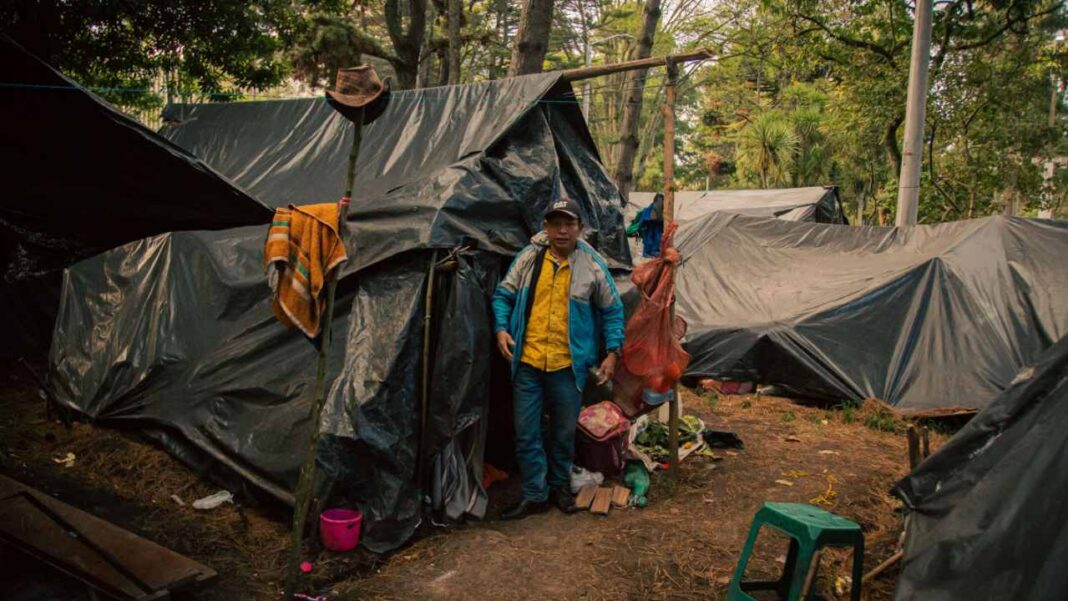
This calamity occurred in January 2021 as Cyclone Ana hit the region, causing the rains that destroyed the mountains surrounding the village. The residents were moved into temporary tents, and although they were believed to spend only a short period of time there, it turned out that the people lived in those tents for almost six years.
The conditions of life in the ageing tents were by no means temporary. Although they had to deal with the tropical heat, torrential rains, swarms of insects, and lack of privacy and healthcare, many kids regarded those tents as the only home they had ever had. The experience was psychologically draining for older people.
However, it appears that the construction of a new settlement is almost finished. It could be regarded as an important step in Fiji’s attempts to improve the climate resilience of its population. The new settlement has been designed to protect its citizens from landslides, which highlights the growing interest in building risk-resistant communities in the face of climate change. Scientists warn that the phenomenon of climate change leads to the growth of the severity and occurrence of tropical cyclones and heavy rainfall in many areas around the Pacific.
Having spent almost six years in temporary housing, many people not only lost their homes but also went through a severe decline in their security, dignity, and sense of stability. This initiative is a significant step toward restoring their lives and reintegrating them into the community.
And while the permanent houses will bring locals stability, they understand that recovery is more than just a matter of bricks and mortar. The experience of losing their homes, livelihoods, and years of ordinary family life is still fresh and painful for them. When they are finally able to enter their own houses, they will not only remember the inner strength required to overcome the disastrous consequences of climate-related disasters but also their inner strength required for overcoming the consequences of such catastrophes.