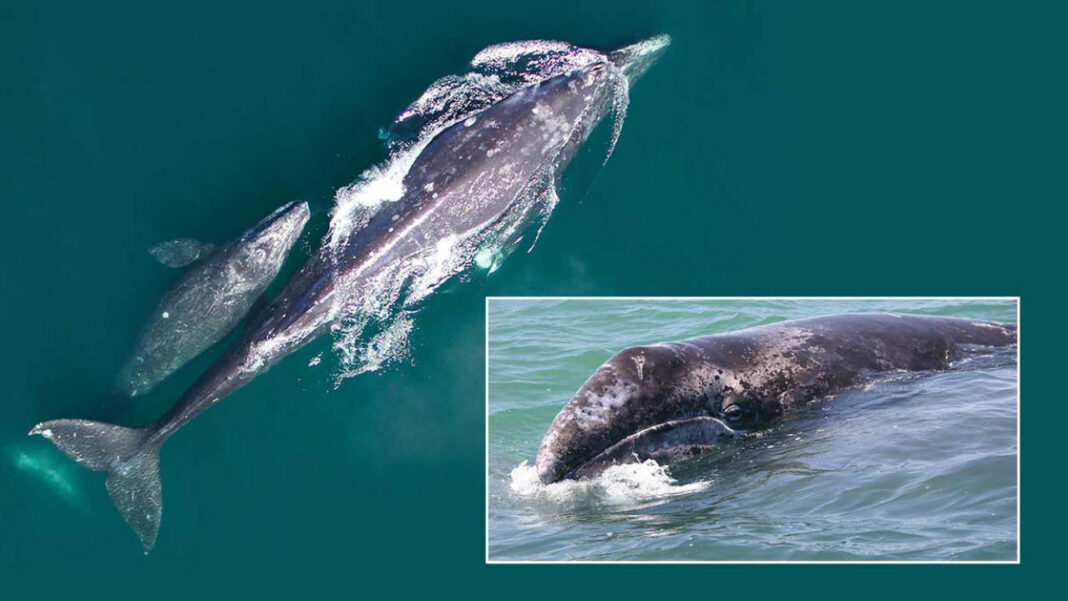

Scientists have described a situation called a ‘catastrophic population decline’ and have mentioned that, due to climate change, Pacific grey whales are being driven towards it. The reason for this situation is because the shrinking Arctic Sea ice and changing conditions have reduced the availability of the food the animals have to depend on and survive on. Environmental groups and marine scientists have issued warnings that without urgent and immediate measures to conserve and protect these species, they face an increasingly uncertain future.
In the year of 2019, reports indicated a total population of 20,000 North Pacific grey whales. that there were, altogether, 20,000 North Pacific grey whales in total. However, this population has unfortunately dropped significantly to 13,000 by the year 2026. Estimations Estimates suggest that this sharp and massive decline has led to the death of approximately 2,500 to 8,000 whales over the past two decades. This sharp and significant decline is estimated to have resulted in the deaths of approximately 2,500 to 8,000 whales over the past two decades. These animals washed ashore; these animals displayed signs of severe starvation. Washed ashore, these whales displayed signs of severe starvation. The sharp drop of Pacific grey whales has urged experts to describe the situation as a “catastrophic mortality event.”
Scientists say the main driver behind the crisis is the change in climate. The global temperatures, which have been on the rise, are reducing sea ice in the Arctic, causing heavy disruption to the ecosystem where grey whales feed during the summer months. The loss of sea ice has affected the abundance of small crustaceans and other organisms that form the whales’ main food source, leaving many unable to build the energy reserves needed for their long migration along the Pacific coast.
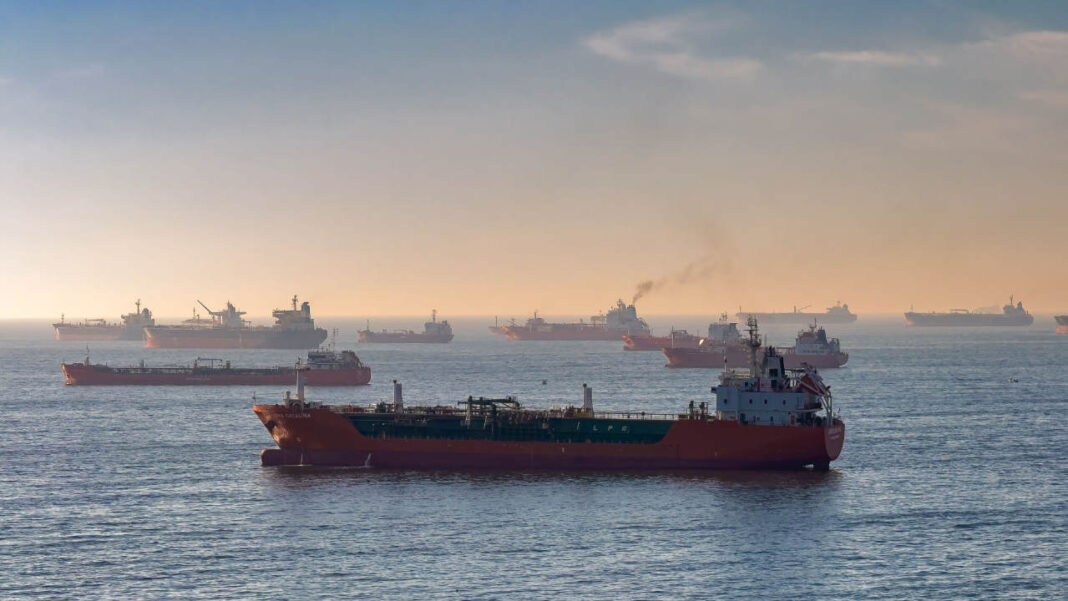
Research has highlighted that, although food shortages are a significant concern, there are many other threats that also require attention due to the struggling population. Oil spills, ship strikes, microplastic populations, algal blooms that are highly harmful and the whale harvesting which goes on in parts of Russia are all issues that are contributions to the decline. These weakened whales go closer to the coastal waters in search of food to fill their hunger, and because of that, they become highly vulnerable to vessels.
Petitions have been made by the environmental organisations to the National Oceanic and Atmospheric Administration (NOAA) to restore and bring out federal protections for these large whales under the Endangered Species Act. The species was removed in 1994 from the endangered list after years and decades of commercial whaling; however, arguments have been made by conservationists that the present environmental conditions show a whole new set of challenges which need protection that is renewed.
One can see how some efforts to reduce threats that are related to humans have already shown encouraging results. California has introduced voluntary ship-speed reduction zones in areas that are frequently visited by these enormous and magnificent grey whales. This helps to reduce whale deaths from vessel strikes by roughly 50 per cent. However, similar initiatives have yet to be widely adopted in neighbouring states, where conservation groups continue on to advocate for stronger protective measures.
Warnings have been given by marine experts that the crisis facing Pacific grey whales reflects the broader consequences of climate change on ocean ecosystems. As warming temperatures continue to reshape and rewrite marine habitats and food webs, many species might end up struggling to adapt quickly enough to survive. Scientists stress that reducing greenhouse gas emissions, strengthening habitat protection and expanding conservation efforts will be essential to safeguarding grey whales and preserving the health of the Pacific Ocean for future generations.