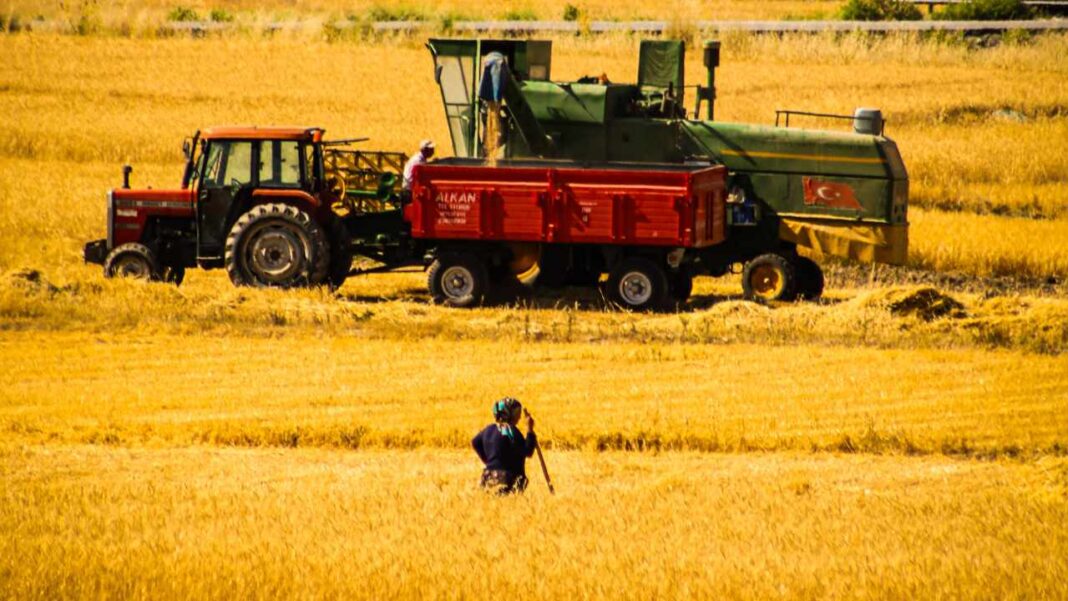

With the eastern part of the African continent entering the peak season for the harvest of local crops, the longstanding import limitation that Botswana has implemented for some products and farms is once again in the spotlight. Although critics claim that the policy does not help the development of international trade, a wide section of domestic farmers support this limitation since it is necessary for the protection of jobs, food security, and future development of local agriculture.
The debate on the topic became more intense in July 2026 when Botswana faced criticism due to the situation on its continent. In an interview, a farmer defended the import limitation policy and argued that without a temporary import ban on crops during the harvest periods, local farmers would not be able to compete with larger volumes of imported vegetables from their neighbours in South Africa. The control system allows farmers to sell their products, cover their production costs and invest in the processing of future crops.
Despite Botswana’s extreme semi-arid climate, where crop production is constantly threatened by fluctuating rainfall, drought and limited supply of water, agriculture continues to be a key realm for the country. In this scenario, farmers have started resorting to irrigation farming, improved seeds and advanced farming methods to increase production. Proponents of seasonal import restriction say that allowing unrestricted imports during harvest will undo years of investment and discourage local food production.
Nevertheless, the import ban has been discussed outside Botswana. South African farmers and agribusinesses have raised their concerns about whether the frequent input restrictions are compliant with the rules of the Southern African Customs Union (SACU) and the African Continental Free Trade Area (AfCFTA), which advocate for loosening trade regulations in the region. Concerns have been raised that the import ban will result in supply chain bottlenecks, increased price fluctuations and economic relations tensions between the countries of southern Africa.
This discussion highlights a broader issue affecting many countries in Africa, specifically regarding how to support domestic sectors while ensuring that markets remain open. Some economists consider that improving farming productivity is the most feasible way to ensure food security. However, they also think that the effective use of seasonal protection practices may allow local producers to cope with their problems, provided that those practices are applied correctly. Botswana is trying to achieve a greater degree of self-sufficiency in agriculture, where the seasonal harvest protection raises a question which is broader than the country.