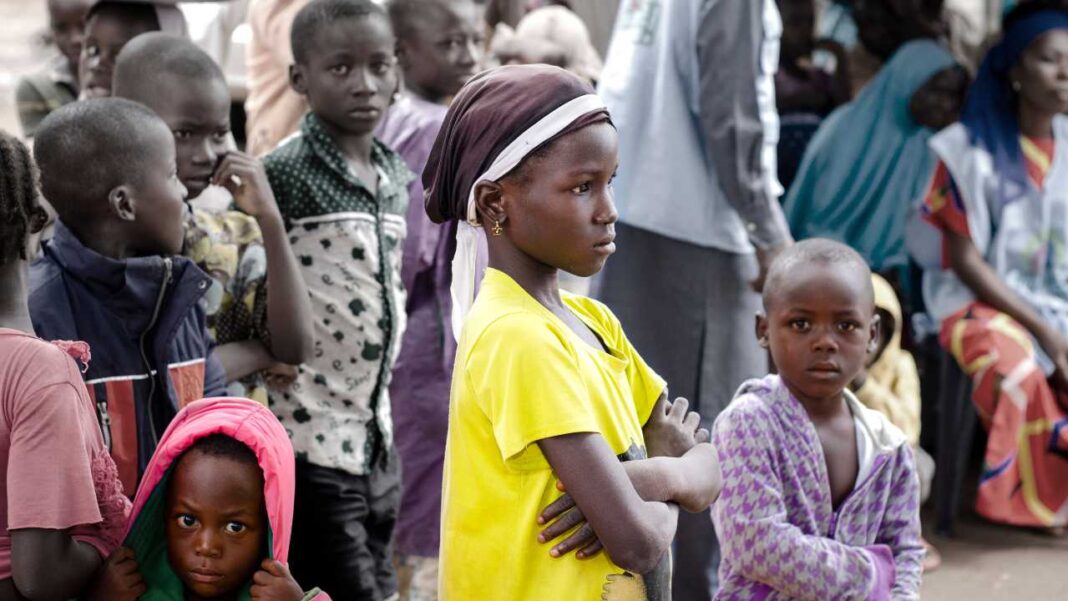

Global hunger has declined for the third consecutive year, despite changing weather patterns and market conditions. This fact offers not only hope but also optimism for the ongoing fight against food insecurity. The latest United Nations World Food Report on the State of Food Security and Nutrition indicates that approximately 645 million people, or 7.8 percent of the world’s population, experienced hunger in 2025. In the years prior, the percentage of people experiencing hunger was significantly higher, with 2022 reporting 8.6 percent and 2024 reporting 8.1 percent. However, as these numbers continue to decrease, the UN has also warned that world issues like climate change, geopolitical tensions and disruptions in trade could end up prompting serious risks to food security in the future, affecting many countries and continents.
Asia stands out among the countries and continents that made the largest improvements, with India leading the way through its extensive and effectively implemented social welfare programs. The country also achieved improved agricultural productivity and greater access to food assistance. The Caribbean and Latin America also made notable gains, while some African nations, such as Ethiopia and Senegal, experienced gradual improvements after enduring food insecurity for many years. However, despite these small improvements, Africa remains the region with the highest level of food insecurity, affecting the highest level of food insecurity, with over 309 million people facing the highest level of food insecurity, fostering over 309 million people who face undernourishment.
The report highlights that even though there is a decrease in hunger, millions of people continue to struggle to access nutritious food. Around 2.69 billion people worldwide cannot afford a healthy diet, with affordability remaining a major challenge in low-income countries. In Africa, more than two-thirds of the population is unable to afford nutritious meals due to high food prices, weak infrastructure, limited market access, and persistent trade barriers. Child malnutrition and anemia among women also remain widespread, even as global hunger levels have shown improvement. At the same time, rising rates of obesity are emerging as a growing public health concern in many parts of the world.
The United Nations has cautioned that these small recent gains, which show hope, remain fragile. The United Nations has cautioned that these small recent gains, which show hope, are still fragile. With prolonged and long-term droughts, floods, and the intense heat, Africa is still on the brink of food insecurity, especially in the rural areas and vulnerable regions. Aspects such as limited infrastructure, food distribution systems that are weak, and dependence on food imports have contributed heavily to the worsening of the situation in many countries. Many rural communities depend heavily on small-scale farming, which makes them highly vulnerable to changing weather patterns and market conditions that keep fluctuating day by day. The country lacks sufficient access to modern farming technologies, financing, and storage facilities, which often limit agricultural productivity and contribute to food losses after harvest.
UN officials stressed that long-term investment in climate-resilient agriculture, rural infrastructure, and social protection programs is highly important and necessary to maintain the downward trend in hunger. They have also mentioned that much stronger international cooperation to improve food systems should be adopted and that there should be a more improved reduction in trade barriers to strengthen resilience against future shocks. While the latest figures provide hope that global efforts are yielding results, the report makes it highly clear that achieving the goal of ending hunger by 2030 will require continued commitment and coordinated action to address the growing challenges posed by climate change, conflict and economic uncertainty.