
Somalia has been undergoing severe challenges in the past few months and years. Amidst these challenges, the primary issues are drought, conflict, and a sharp decline in humanitarian funding. The lack of funding has been the main reason millions of people are grappling to access food and the essential healthcare needed to live their normal day-to-day lives. Aid organization Médecins Sans Frontières (MSF) has stated that the funding which was meant for program treating acute malnutrition has reduced by 80% within this year, even when the number of people who are seeking assistance continues to rise.
The crisis is particularly severe among children. In Baidoa, the MSF reported that in a major center for displaced people, it was found that one in four children screened was suffering from high and acute malnutrition. Around 22,000 malnutrition cases so far this year have been treated by this organization, and the numbers continue to increase by about 80% compared with 2025. However, with this lack of funding, it can be seen how this has forced humanitarian organizations to make decisions that are difficult. Organizations have been positioned at a pressurized point as of figuring out how many people they can reach out to in order to offer aid and assistance.
The United Nations has clearly warned that approximately around 6.5 million people in Somalia are currently facing crisis levels of hunger or worse in 2026, which also includes about two million people experiencing emergency levels of food insecurity. The World Food Program has also estimated that 1.84 million children could end up suffering from acute malnutrition within the course of this year.
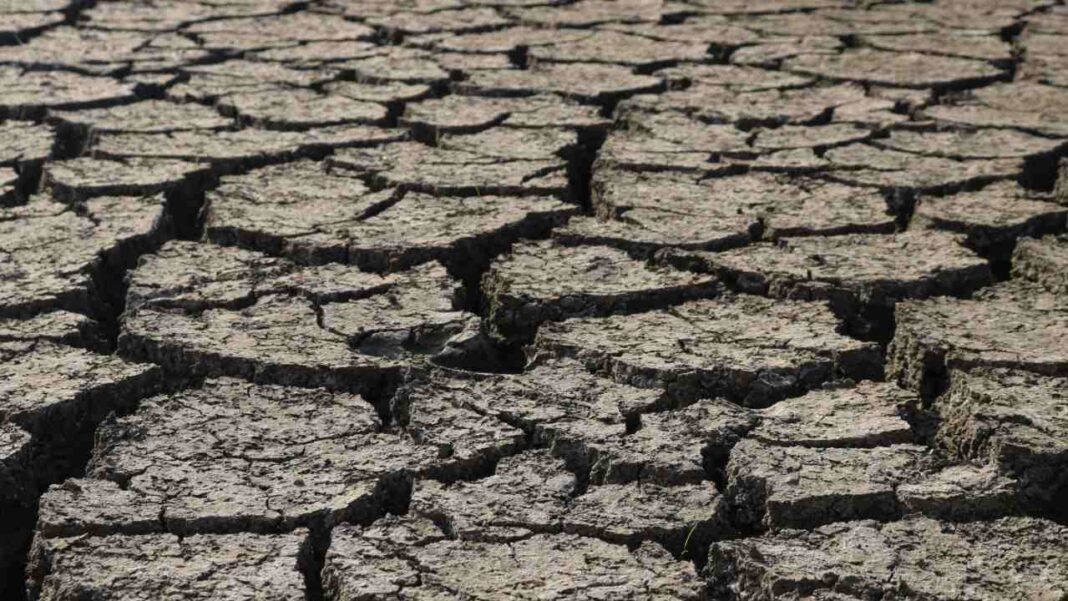
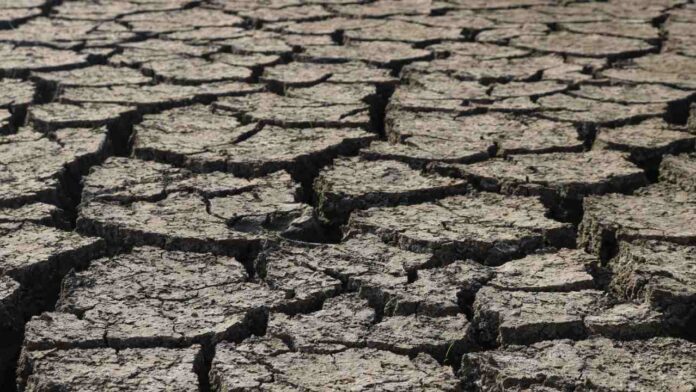
One of the main drivers we see in this emergency are the states of drought that never seems to reduce or decline. Facing a few failed rainy seasons, the region has undergone severe cases of drought which have led to many issues such as crop losses, deaths of livestock and shortages in food and water, which are needed for a general human to survive and to also make a living. As other sources for further pressure, conflict and displacement have come up ahead as well. This has forced hundreds of people to leave their homes in search of assistance. During the first part of 2026, sources indicate that more than half a million people were found to be displaced.
At the same time, humanitarian organizations are receiving only a fraction of the resources available during previous crises. The humanitarian response has received roughly $300 million in funding this year, compared with about $2.2 billion during the 2022 emergency. The United Nations warned in May that nearly 90% of people in need were receiving little or no humanitarian support.
Fears that Somalia could again approach famine conditions have been brought up by this situation which keeps raising. UN agencies have identified a potential famine risk in parts of the country, and if food prices remain high, rain will fail and humanitarian assistance will not increase.
With children being among the most vulnerable groups, aid agencies have begun calling for funding that is both urgent and internationally sustained. Without the additional support, the combination and mix of drought, conflict, displacement and limited humanitarian assistance could significantly push Somalia’s food crisis into an even more dangerous phase. This is a matter which should be seriously considered and thought about, as the people of Somalia are already facing acute levels of various challenges.