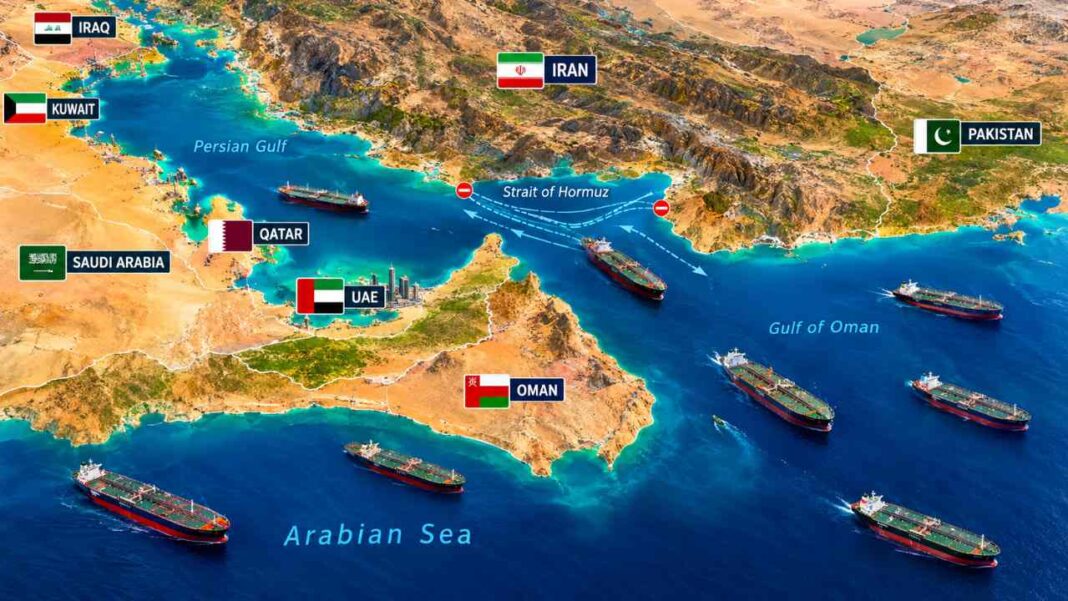

Oil transportation expenses have surged to unprecedented levels as attacks involving Iranian and U.S. forces have intensified risks. This increase is for commercial vessels operating around the Persian Gulf besides the Strait of Hormuz. This adds another layer of uncertainty to already destabilised global energy markets.
The market for Very Large Crude Carriers (VLCCs) has experienced a particularly pronounced surge. These giant tankers used to move millions of barrels of crude between major producing and consuming regions. Reuters said that the cost of chartering a VLCC from the Gulf of Oman to China recently reached a Worldscale assessment of about 450, equivalent to roughly USD 110.50 per barrel. The rate was reported as the highest since the current assessment was introduced earlier this year.
The escalation follows a series of attacks on shipping in and around one of the world’s most strategically important energy corridors. Iran said on Wednesday, 9 September, that it had attacked 10 ships near the Strait of Hormuz. This follows recent U.S. military action against 4 Iranian oil tankers. These developments have heightened concerns among shipowners, charterers, and energy traders about the risks involved in sending vessels through the region.
The United States (U.S.) has separately confirmed military strikes against Iranian crude carriers. U.S. Central Command said its forces struck 3 Iranian crude oil carriers on Saturday, 5 September, after what it described as attacks by Iran’s Islamic Revolutionary Guard Corps (IRGC) against U.S. naval vessels.
For the tanker industry, the immediate consequence is not simply the possibility of physical damage to ships. Operators must also account for insurance costs, security arrangements, delays, crew considerations and the possibility that vessels may need to take longer routes to avoid dangerous waters. Each additional risk factor can raise the price demanded by shipowners before they agree to move cargo.
The disruption is also affecting tanker availability. Reuters reported that heightened security concerns have reduced the number of vessels readily available in the Gulf, helping push freight rates higher. At the same time, market participants are having to reassess traditional routes connecting Middle Eastern crude producers with major Asian customers.
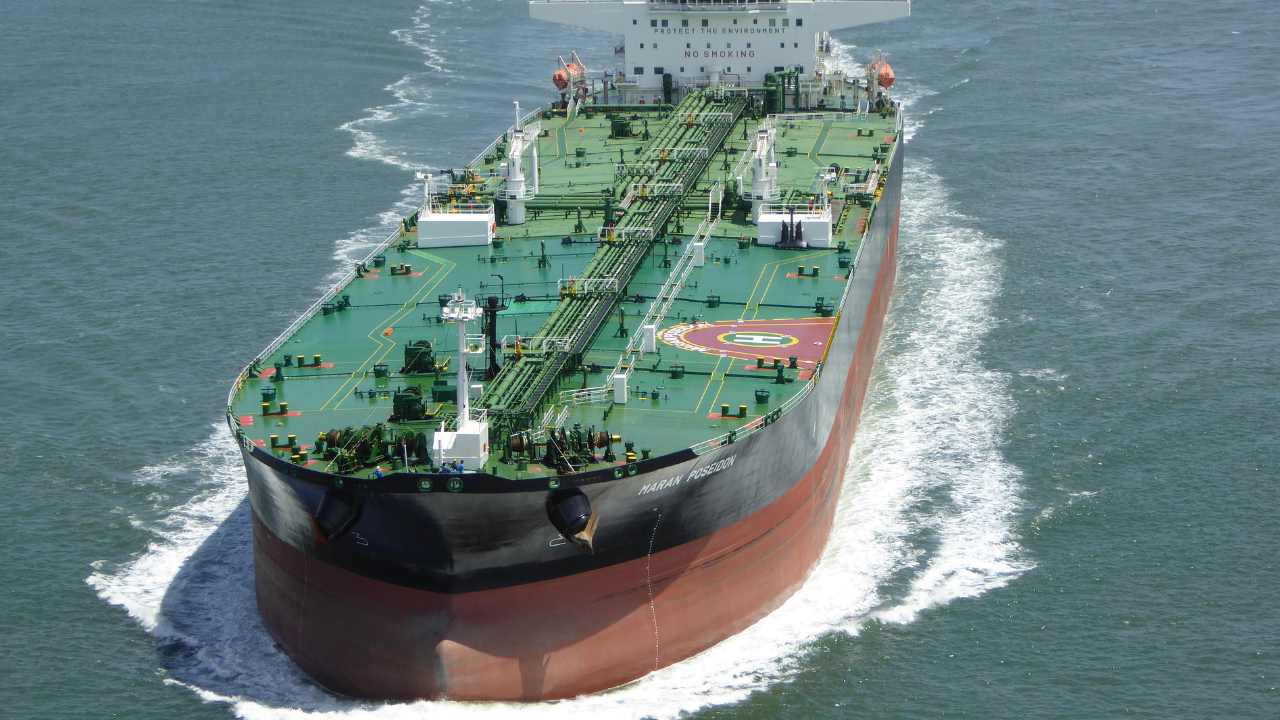
That combination creates a powerful feedback effect. When fewer ships are willing or able to operate in a particular area, charterers compete for the remaining tonnage. Higher charter prices then become part of the delivered cost of crude. If the disruption persists, refiners and traders may ultimately pass some of those additional expenses through the wider energy supply chain.
The pressure is extending beyond crude transportation. Senior executives at Shell and Equinor said this week that the global energy system is entering a period of tighter supply and greater volatility, with recent tanker attacks contributing to crude prices approaching USD 110 a barrel and refined-fuel prices reaching records. They also warned that logistics and infrastructure constraints may make the market’s recovery slower if disruption continues.
The Strait of Hormuz remains central to the market’s concerns because of its role in connecting major Gulf producers with international customers. Even when physical oil supplies remain available, uncertainty over whether ships can safely collect and deliver cargo can have a significant effect on prices.
Shipping firms therefore face a difficult calculation. Sailing through exposed waters may preserve established routes as well as schedules. However, it may increase security risks. Diverting vessels can reduce exposure while adding distance, fuel consumption, crew costs and delivery time. Neither option is inexpensive when freight markets are already operating at exceptional levels.
The consequences may extend well beyond tanker owners and oil producers. Higher transportation expenses may influence refinery economics. Additionally, fuel prices, inflation expectations, and the operating expenses of industries that heavily depend on petroleum products will be affected. Asian economies, which rely substantially on seaborne energy imports, are particularly sensitive to changes in both crude prices and maritime freight.
For now, the tanker market is being driven as much by uncertainty as by actual reductions in available oil. Traders are closely monitoring developments around the Strait of Hormuz. Additionally, the Gulf of Oman and other maritime chokepoints are also being monitored. This is while shipowners continue to reassess the commercial and security risks of each voyage.
Whether current extraordinary freight rates become a prolonged feature of the market may depend heavily on the duration and geographical spread of the shipping disruptions. If maritime traffic returns to more predictable conditions, tanker availability may improve and freight premiums may eventually ease. If attacks continue, however, or additional routes become difficult to use, the shipping market may remain under severe pressure. This may retain energy costs elevated across international supply chains.