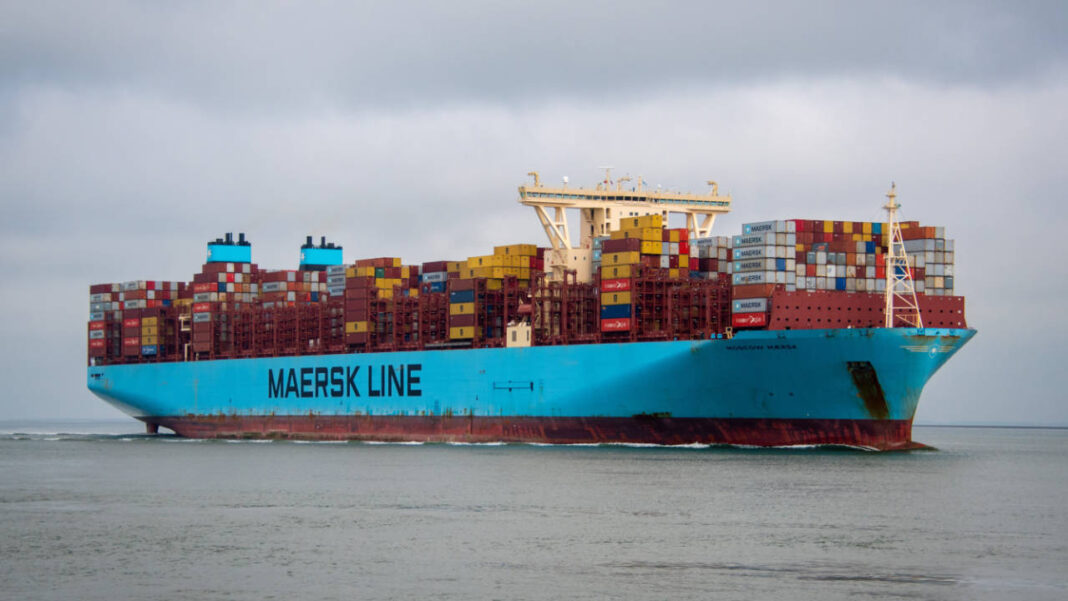
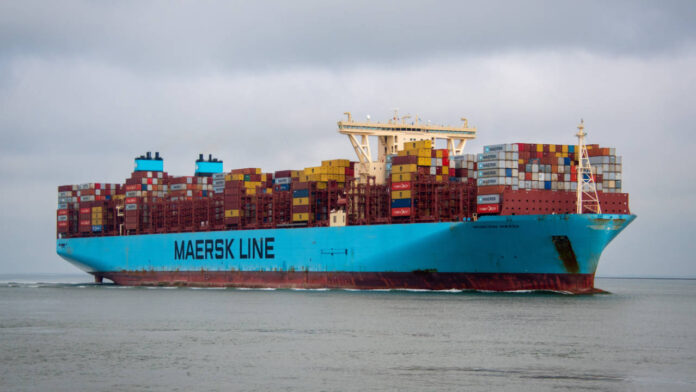

Danish shipping group Maersk (MAERSKB.CO) on Thursday, 13 August ’26, raised its full-year earnings guidance for the second time this year. It smashed profit forecasts as global container demand proved resilient in the face of the Middle East conflict.
Surging freight rates were fuelled by gridlocked ports & strong Chinese export growth. It delivered a windfall that dwarfed the additional costs caused by Middle East disruption. It defied fears that the conflict may tip the global economy into recession besides denting container demand.
Maersk CEO Clerc said the resulting bottleneck, not Middle East conflict, was driving freight rates higher.
Shipping firms are once again benefitting from higher freight rates driven by severe port congestion. Furthermore, networks, bottlenecks & strong demand. It’s a dynamic reminiscent of the pandemic period. That was when supply-chain disruption tightened capacity and boosted industry profits.
Riding the high seas
Shipping giant Maersk witnessed its shares fall after flagging a tentative return to the Suez Canal shipping route. The route offered shorter journey durations as well as cheaper freight rates. Its shares, however, remain near multi-year highs.
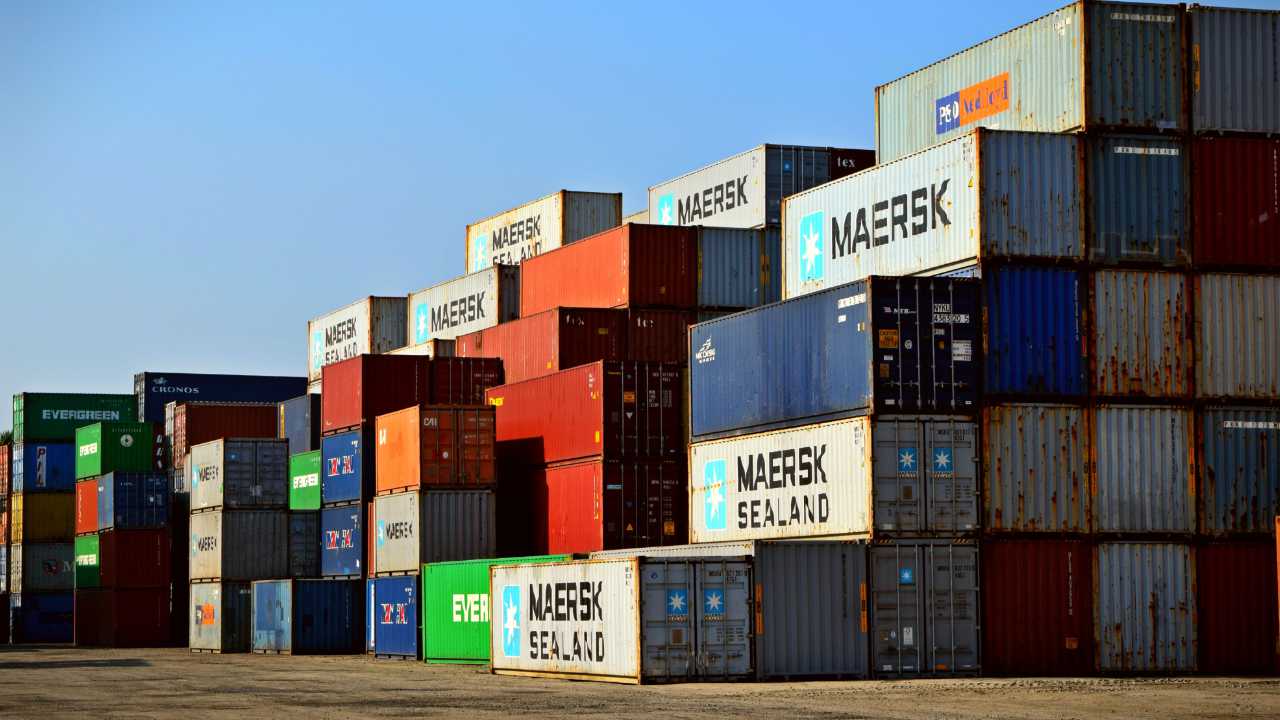
’26 outlook lifted again by Maersk
The firm now expects underlying EBITDA of between USD 10.5 billion & USD 12.5 billion this year. This is up from a previous USD 8 billion to USD 10 billion. It also underlines operating profit between USD 4.5 billion & USD 6.5 billion. That’s up from a previous USD 2 billion to USD 4 billion.
Global container trade demand exceeded expectations during the second quarter. This increase was primarily driven by growth in other regions, which more than offset a 40% contraction in Middle East imports. Chinese exports served as the main engine for this growth.
The third quarter of 2026 may see this strength continue. This strength may be attributed to Chinese exports, which are showing no signs of slowing down. Maersk, however, stressed that the unresolved conflict in the Middle East continues to warrant caution.
German rival Hapag-Lloyd (HLAG.DE) also recently raised its outlook despite flagging a USD 600 million hit from the Middle East crisis.
Costs & disruption
Middle Eastern disruption drove Maersk’s ocean division operating costs up 19%. This was due to the average bunker price rising 44% year onyear. However, the firm stated that it had offset the impact through optimised fuel consumption and other commercial measures.
The Asia-Europe trade corridor, through the Suez Canal, was abandoned by most shippers after Houthi attacks recommenced in the Red Sea. However, both Maersk and Hapag-Lloyd have announced a gradual return in recent months.
Clerc said that Maersk was presently routing around a third of its normal traffic through the canal or Red Sea. That covers 4 of 13 services. He added that conditions for a full return to Suez during ’26 were in place. Furthermore, Maersk was moving gradually to avoid chaos at already congested terminals.
The latest upgrade underscores how quickly conditions in the container-shipping market have shifted in Maersk’s favour. Stronger-than-expected cargo demand, particularly from Asia, combined with higher spot freight rates and congestion at key ports, has boosted earnings despite elevated operating expenses and geopolitical disruption. Maersk reported a 2nd quarter EBITDA of about USD 3 billion, comfortably exceeding market expectations, while its ocean division benefited from stronger pricing & volumes. The company now expects full-year underlying EBITDA of USD 10.5 billion to USD 12.5 billion, compared with the lower range previously forecast.
The outlook nevertheless Volatility continues to pose a risk to the outlook. to volatility. Red Sea insecurity continues to restrict normal Suez Canal operations, while fuel costs and changing trade patterns could pressure margins. Maersk’s repeated guidance upgrades reflect that demand, besides pricing momentum, is presently outweighing those risks. Maersk’s latest guidance update As global supply chains adjust to congestion, rerouting and resilient consumer demand, the shipping giant appears positioned for another strong year, although the sustainability of elevated freight rates will remain crucial to future profitability.