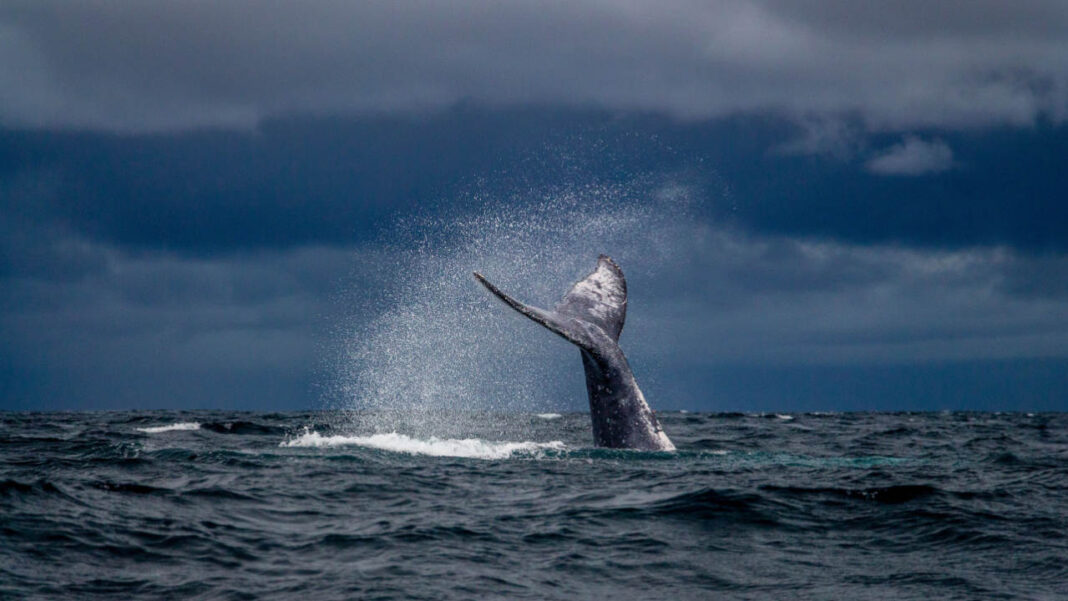

A decline in Hawaiian humpback whales has clearly highlighted how changes in ocean conditions can significantly impact marine species far beyond the immediate area where warming occurs. Recent research revealed a 37% decline in the population between the 2014–2015 and 2021–2022 breeding seasons. This decline was known to take place right after a marine heatwave occurred in the northeastern Pacific.
Researchers conducted additional examinations, resulting in the collection of over 27,000 whale photographs between 2002 and 2023. The images, including those submitted through the citizen-science platform Happywhale, enabled researchers to identify individual whales by their tail markings. The research suggests that the years 2013–2016 were when the heatwave contributed to a substantial reduction in the Hawaiian population.
The heatwave affected the marine food web as well. Populations of forage fish and krill declined alongside other creatures, reducing important food sources for humpback whales that spend summer months feeding in Alaskan and Canadian waters before migrating thousands of kilometres to Hawaii to breed and give birth. Researchers estimate that 5,000 fewer whales remained after the heatwave, although some may have moved to other areas.
The significance of the research lies in the fact that the population has not yet returned to previous levels. NOAA identifies environmental changes, marine debris, fishing-gear entanglement and vessel strikes in the middle of the threats which are facing humpback whales around Hawaii. Changes in ocean temperature and currents can also alter the availability of prey and influence where whales feed.
The study comes as another marine heatwave is affecting parts of the North Pacific. El Niño is rising and affecting marine systems and the globe. The uncertain weather patterns contribute to unusually warm conditions that spread throughout the Pacific Ocean. Scientists therefore warn that disruptions to marine ecosystems could end up creating challenges for humpback whales.
Hawaii continues to stay as a major breeding and calving area for North Pacific humpbacks, making monitoring important. The latest findings show how climate-driven changes in one part of the ocean can influence a species across its long migration route.