
The Greater Horn of Africa is at present undergoing a major food-security and health crisis which keeps worsening day by day. Millions of people are acutely grappling to have access to sufficient food while issues such as conflict, displacement, climate shocks and disease outbreaks continue to place pressure on these vulnerable communities.
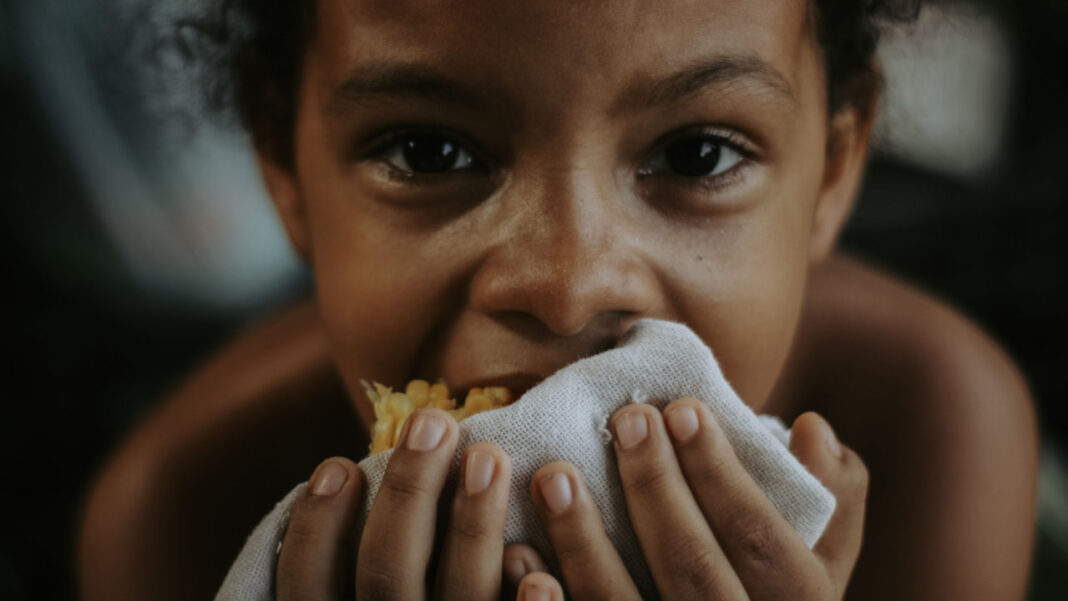
In its Strategic Response Plan for August 2026 to January 2027, the World Health Organization (WHO) have estimated that more than 37.8 million people who are homed throughout Djibouti, Ethiopia, Kenya, Somalia, South Sudan and Sudan are currently experiencing or are expected to experience intense food insecurity. The organization also projects that more than 4.9 million children will suffer acute malnutrition, including over 1.5 million who are expected to require treatment for severe acute malnutrition.
The crisis goes far beyond access to food. The WHO have stated that several pressures are taking place simultaneously at the same time. Amongst these issues, armed conflict, population displacement, repeated climate-related shocks, economic instability and fragile health systems remain top tier concerns. These factors can reinforce one another, and that makes it more difficult for families to maintain livelihoods while also limiting their access to healthcare and other essential services.
Conditions of the uncertain and unpredictable climate patterns remain center stage as an important concern. Drought has no doubt caused a large effect on food production and livestock, while extreme weather and displacement can damage livelihoods and make clean water and sanitation much harder to access. The WHO warns that these circumstances cause an increase in vulnerability to infectious diseases, especially among communities that are already affected by malnutrition.
Disease outbreaks are another major challenge. Illnesses such as Measles, cholera, malaria and dengue are among the sicknesses which are highly reported in the region. For children who are already malnourished, infections can be very highly dangerous due to the poor nutrition they have. Due to this, their ability to withstand illness can be heavily weakened. The WHO therefore strongly highlights that food insecurity, and health cannot be treated as separate problems.
Children under five, pregnant and breastfeeding women, displaced people and communities with limited access to essential services are identified among those facing the greatest risks. Maintaining healthcare is particularly important in areas where conflict or displacement has interrupted normal services and restricted humanitarian access. ([World Health Organization][1])
The WHO’s six-month response plan aims to cast their entire focus on coordinating emergency operations, improving disease surveillance and early warning systems, protecting communities, and expanding access to essential health and nutrition services. The organization is also working with governments and humanitarian partners to strengthen responses in high-risk areas.
However, humanitarian operations continue to face practical obstacles. An earlier WHO report identified issues such as funding shortages, insecurity, restricted access, shortages of trained health workers, disrupted supply chains and limited capacity at nutrition treatment centers as constraints on the response. WHO estimated that approximately US$25.4 million was required for priority health and nutrition interventions during July to December 2026.
The situation clearly demonstrates how food insecurity can develop into a much larger public-health emergency. For communities that span over the Greater Horn, improving access to food must go alongside healthcare, disease prevention, clean water, nutrition support and protection for displaced populations.
The WHO’s response plan, which was published on August 25, 2026, therefore places an emphasis on an integrated approach that is designed not only to address needs that are immediate but also to strengthen health systems and resilience among communities that are facing repeated crises.