
CANBERRA, 24 September 2026 — As much as events taking place in fields, the future of food security is heavily determined by technologies, trade routes and security systems. Australia‘s engagement with the Asia-Pacific Economic Cooperation (APEC) makes this change clear.
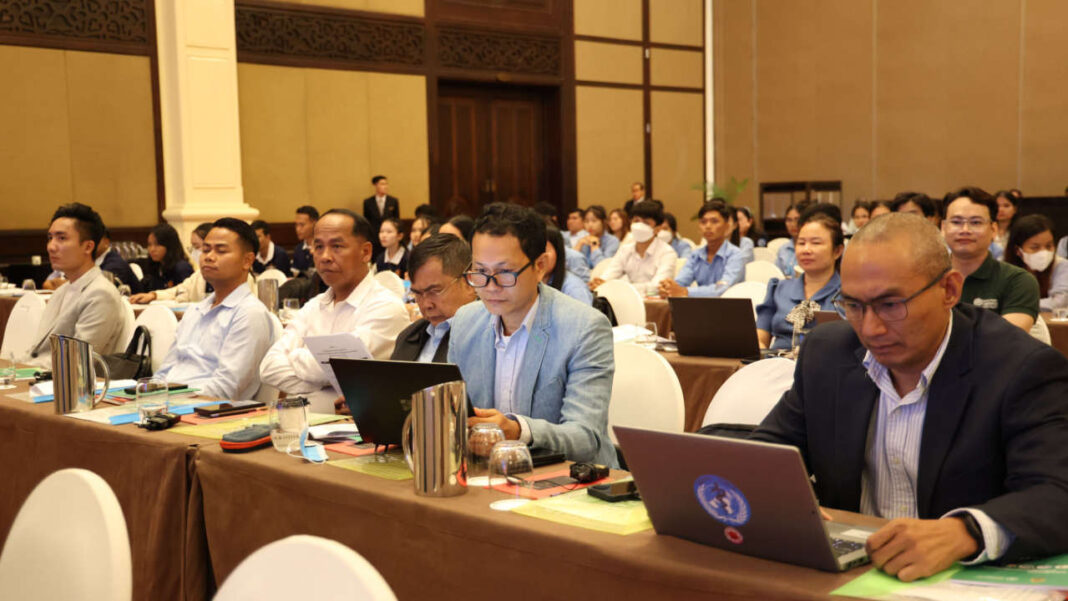
Australia has had a role in discussions about food security at the 11th APEC Food Security Ministerial Meeting in Hangzhou, China, on 25 August 2026, as well as during APEC Food Security Week in Dalian. These discussions brought together for deliberation the governments, business and research sectors to address the question that goes beyond agriculture: how food systems manage to survive the next significant disruption.
Representing Julie Collins, the Australian minister for Agriculture, Fisheries and Forestry, Dr Jared Greenville PSM participated in negotiations aimed at innovation, digitalisation and regional cooperation. As a result, the ministers adopted new principles aimed at increasing the resilience of food systems through technology and innovation.
The implications for Australia are considerable. The Australian Government estimates that the 21 APEC economies are responsible for around 72% of the agricultural, fisheries and forestry trade in Australia. This means that any disruption to shipping, supply chains and animal and plant health or market access can quickly shift from a foreign issue to a problem affecting Australian producers and exporters.
APEC is therefore moving the agenda toward its wider interpretation of resilience. Its principles demand more effective biosecurity measures, better trade practices, food safety and traceability, digitalisation and state of readiness for future shocks. APEC has also identified artificial intelligence and other technologies as potential tools for improving supply chain processes.
The stakes are in the region, as APEC reports that the economies it represents produce half the world’s food, hence giving it a large say in food security globally. Australia has also tied its international operations to its local one, in line with its food strategy, which is currently being worked upon, with A$3.5 million being invested in it with an expected launch in 2027.
Therefore, what Canberra appears to be conveying is that the need for increased food production goes beyond mere quantity; it also involves ensuring resilience throughout the entire supply chain, which is interconnected through borders, information, infrastructure, trade, and farming.