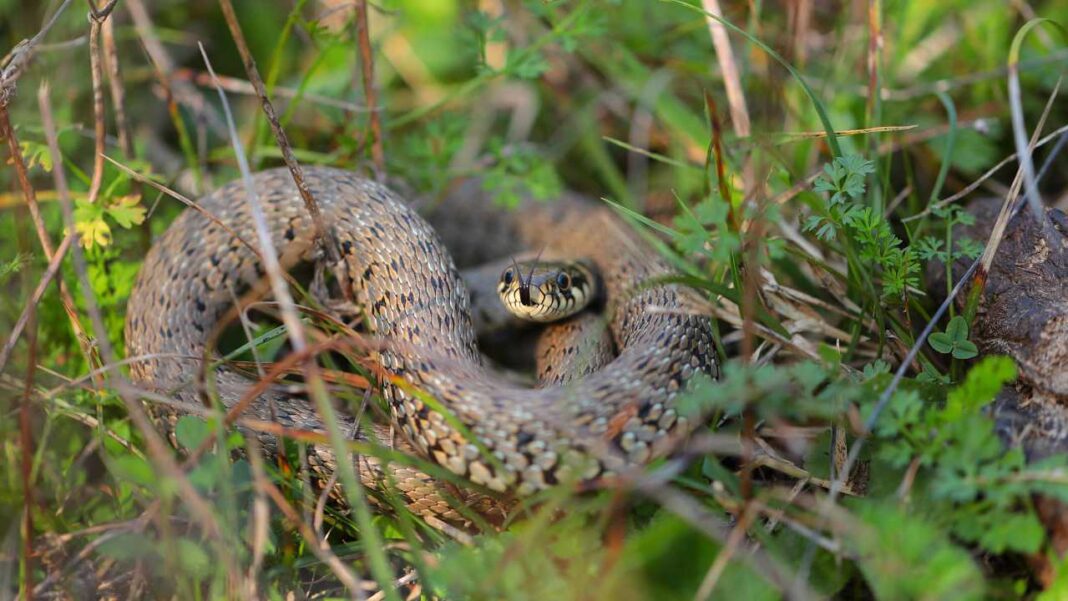
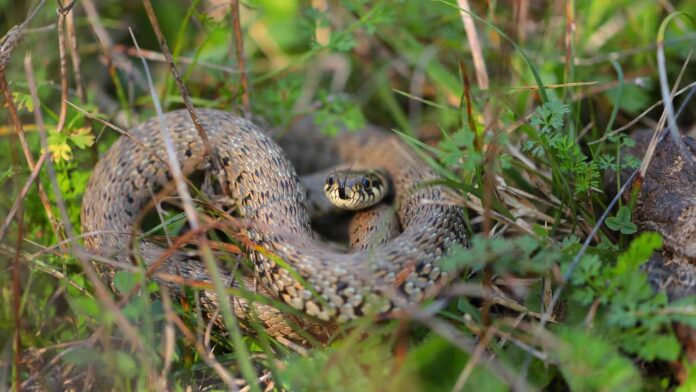

Spring has arrived across Australia. Warmer days are causing snakes, lizards, and other reptiles to emerge from their hiding places. Snake catchers are busy with call-outs. Wildlife carers are answering requests for help. Reptile fans, often called “herpers,” are heading into parks and bushland to spot their next find.
Australia has a wonderful range of reptiles, and many live nowhere else on Earth. But a growing danger now threatens them. Fungal diseases are starting to harm wild reptiles, and people may be helping them spread.
A simple way disease could travel: Picture a snake. A snake catcher removes a carpet python from your roof. Later that day, they visit a home on the other side of town. If the same tools touch both animals, fungus from the first visit could end up at the second.
That is the concern behind our new research. We looked at how people who handle reptiles might carry fungal diseases from place to place without knowing it. We also looked at easy ways to stop this.
Diseases already in the wild Some fungal diseases already affect wild reptiles in Australia. One is snake fungal disease, caused by a fungus called Ophidiomyces ophidiicola. Another is caused by Nannizziopsis barbatae, which infects eastern water dragons and carpet pythons.
These infections damage the skin. They can stop snakes from shedding properly. Shedding is how a snake gets rid of old skin so it can grow. Sick animals may become weak and very thin, and many die. In other countries, snake fungal disease has been linked to falling numbers of wild snakes.
Scientists still don’t know which Australian species are most at risk. That makes prevention crucial. These fungi were first found in pet reptiles here, so the pet trade may be how they reached wild animals.
You can’t always see the problem
Many people think they can simply avoid reptiles that look sick. Sadly, that doesn’t solve it.
A reptile can carry and spread fungus while looking perfectly healthy. It may have only just been infected. It may cope with the fungus without showing signs. Or it may have just recovered.
The fungus can also live outside an animal’s body, in soil and rotting plant matter. A study of water dragons in Brisbane found that most infections came from contaminated habitat, not from other dragons.
This means everyday items can carry the fungus. A muddy boot, a used snake bag, or a dirty snake hook could all move it to a new place. Nobody would notice.
Who could be spreading it?
Many people handle wild reptiles. They include snake catchers, wildlife carers, tour guides, environmental consultants, researchers, and hobbyists. Anyone without proper training, permission, or a license should not handle wild reptiles at all.
Handlers often visit several places in one day, carrying the same gear each time. Guidelines already say equipment and clothing should be disinfected. However, outside specialist programs, such disinfection is rarely done.
We have no proof yet that people are spreading these fungi between wild reptile groups in Australia. Still, the pathways clearly exist. A similar problem happened with the amphibian chytrid fungus. It has wiped out frogs around the world, and human activity, including tourism, helped carry it into remote areas.
People who keep pet reptiles and also handle wild ones need extra care. Snake fungal disease was found in pet snakes in Australia years before it appeared in the wild. Strong hygiene habits really matter here.
What handlers can do
Our advice is simple:
- Clean your hands between animals. Swap disposable gloves, or use alcohol gel or wipes.
- Use one bag for each animal. Bring spares, and wash bags before using them again.
- Clean your hooks and tools. Remove dirt first. Then apply 70% ethanol, diluted bleach or a vet-approved disinfectant. Leave it on for two to ten minutes.
- Clean your boots between sites. Scrape off soil, then disinfect them.
- Keep pet and wild reptiles apart. Use different equipment for each.
- Leave sick-looking reptiles alone. If you see crusty or discoloured skin, don’t touch the animal. Take a photo and call a local wildlife hospital or vet.
None of this is hard or expensive. A spray bottle of disinfectant, a few pairs of gloves and some spare bags fit easily in a field kit.Tour companies, wildlife groups and reptile clubs can help too. They can supply brushes, buckets and disinfectant so that everyone has what they need.
Small habits can make a big difference. By cleaning up between animals and sites, handlers can help protect Australia’s reptiles for years to come.