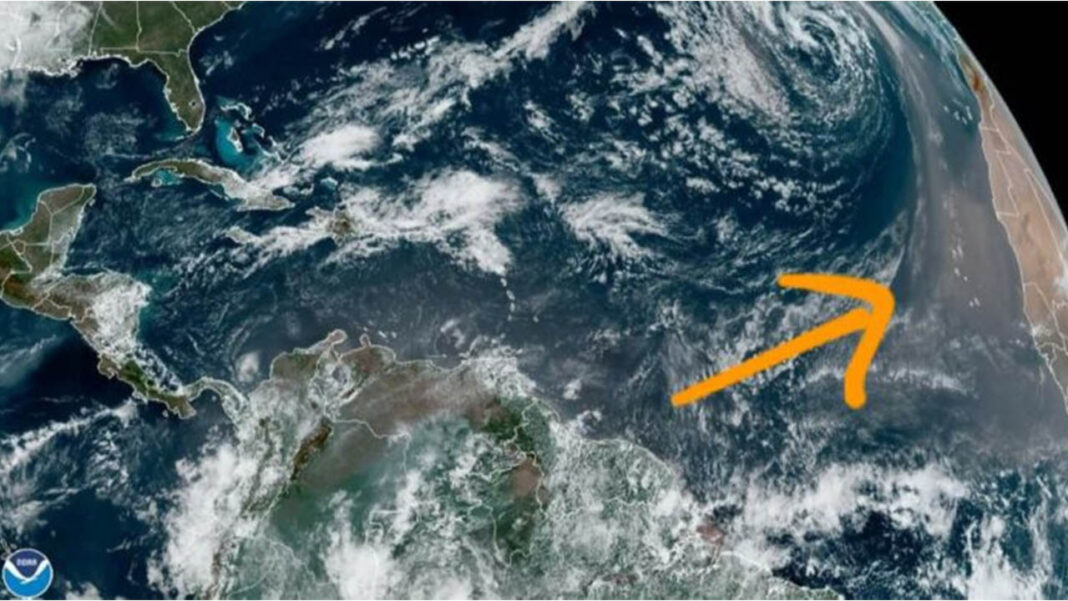
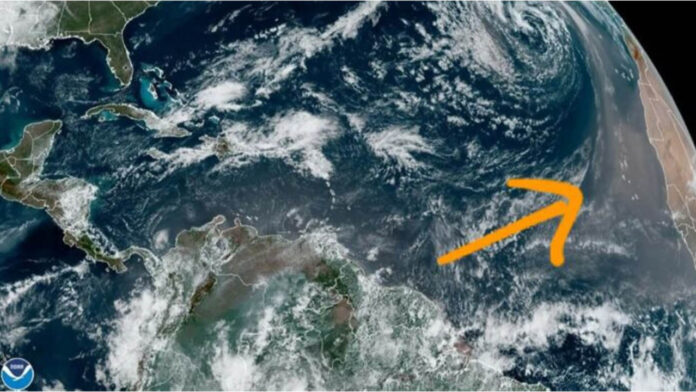

(Commonwealth_ The Saharan dust phenomenon, a meteorological event characterized by the movement of dust from the Sahara Desert across the Atlantic Ocean, has been affecting air quality in various Caribbean islands, including St. Vincent and the Grenadines, Dominica, and Trinidad and Tobago. This dust influx, although natural, poses significant challenges, especially for individuals with allergies and respiratory sensitivities.
Impact on St. Vincent and the Grenadines
The St. Vincent and the Grenadines Meteorological Services issued a weather advisory on Monday, highlighting a reduction in air quality due to the Saharan dust haze. According to their 72-hour weather outlook, Saharan dust concentrations of varying intensities will persist, reducing both air quality and visibility over the next few days. Residents, particularly those with pre-existing respiratory conditions, are urged to stay vigilant and take preventive measures to mitigate the adverse effects on their health. The fine dust particles can exacerbate conditions such as asthma, bronchitis, and other respiratory illnesses, making it crucial for vulnerable populations to limit outdoor activities and use air purifiers indoors.
Dominica’s Weather Advisory
Similarly, the Dominica Meteorological Service has reported an increase in dust haze concentration. This heightened presence of Saharan dust is expected to continue, leading to reduced visibility and deteriorated air quality. The advisory explicitly warns individuals with respiratory sensitivities to take necessary precautions. For fisherfolk, the reduced visibility poses a navigational hazard, necessitating the use of advanced navigation devices to ensure safety while at sea. This alert underscores the multifaceted impact of the dust, affecting both health and occupational safety.
Conditions in Trinidad and Tobago
The Trinidad and Tobago Meteorological Office has also noted a significant concentration of Saharan dust in its weather forecast. Residents susceptible to poor air quality are advised to take protective measures. The tiny particles in the dust can irritate the respiratory system, eyes, and skin, leading to a range of symptoms from mild irritation to severe respiratory distress in sensitive individuals. The persistence of the dust cloud over the region adds a layer of complexity to daily activities, urging both the general public and vulnerable groups to remain cautious.
Health and Safety Precautions
For those affected, health authorities recommend several precautionary steps:
Stay Indoors: Individuals with respiratory issues should stay indoors as much as possible, especially during peak dust hours.
Use Air Filters: Utilizing air purifiers or filters can help reduce indoor dust levels.
Wear Masks: Wearing masks can provide a barrier against inhaling fine particles.
Hydration: Staying hydrated helps keep mucous membranes moist, reducing irritation.
Medical Supplies: Those with asthma or other respiratory conditions should ensure they have an adequate supply of medications.
Environmental and Economic Considerations
Beyond health implications, the Saharan dust has broader environmental and economic impacts. The dust can affect agriculture by depositing fine particles on crops, potentially hindering photosynthesis and growth. Additionally, the haze can disrupt air travel due to reduced visibility, leading to delays and increased operational costs for airlines.
The ongoing Saharan dust event underscores the critical need for awareness and preparedness among Caribbean populations. Meteorological services in St. Vincent and the Grenadines, Dominica, and Trinidad and Tobago have issued advisories, emphasizing the importance of heeding warnings and taking necessary measures to protect health and well-being. Residents, particularly those with respiratory conditions, should stay indoors, use air purifiers, and wear masks. As climate patterns continue to evolve, understanding and adapting to such natural phenomena will become increasingly essential in mitigating their impacts on daily life, health, and economic activities throughout the region.