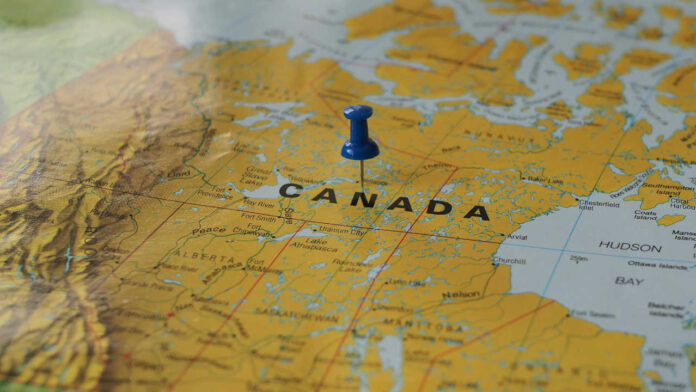

The Barbados-based Caribbean Development Bank (CDB) has pledged a USD 200 million first-loss portfolio guarantee with the government of Canada. Once finalised, it’s expected to unlock at least USD 400 million in additional lending capacity. This benefit is by reducing credit risk on the bank’s balance sheet.
This announcement was initiated when CDB President Daniel Best told an international conference of the region’s premier financial institution’s ongoing efforts. This is in applying innovative financial approaches amongst multinational development banks (MDBs).
The best part was addressing the FICS G7 special event in that instance. He outlined a suite of instruments designed to expand lending capacity. Additionally, he emphasised the importance of reducing borrowing costs and unlocking critical investments for climate resilience across the Caribbean.
Best mentioned that ‘tools to reduce borrowing costs’ showed how smaller multilateral development banks can use specific financial strategies to tackle ongoing challenges while also increasing their help to member countries.

A key highlight was CDB’s landmark Exposure Exchange Agreement (EEA). It’s a USD 450 million transaction executed with the Central American Bank for Economic Integration. The agreement is the first of its kind. This transaction significantly reduces the concentration risk within CDB’s sovereign portfolio.
Best further shared that ‘in a single year, this transaction only reduced CDB’s top 5 borrower concentration ratio from 61% to 38%’, adding that the change was without any new shareholder capital injection.
Best opined that for a relatively small MDB like CDB, where concentration limits may inhibit lending, the reduction directly translates into increased capacity. This deal directly translated into increased capacity to serve CDB’s borrowing member countries.
It best exploited the conference to also underscore that the CDB’s leadership was in collaboration with MDB solutions. The agreement includes the development of a multi-guarantor debt-for-resilience transaction. This initiative was alongside the Inter-American Development Bank, World Bank & Development Bank of Latin America & the Caribbean (CAF).