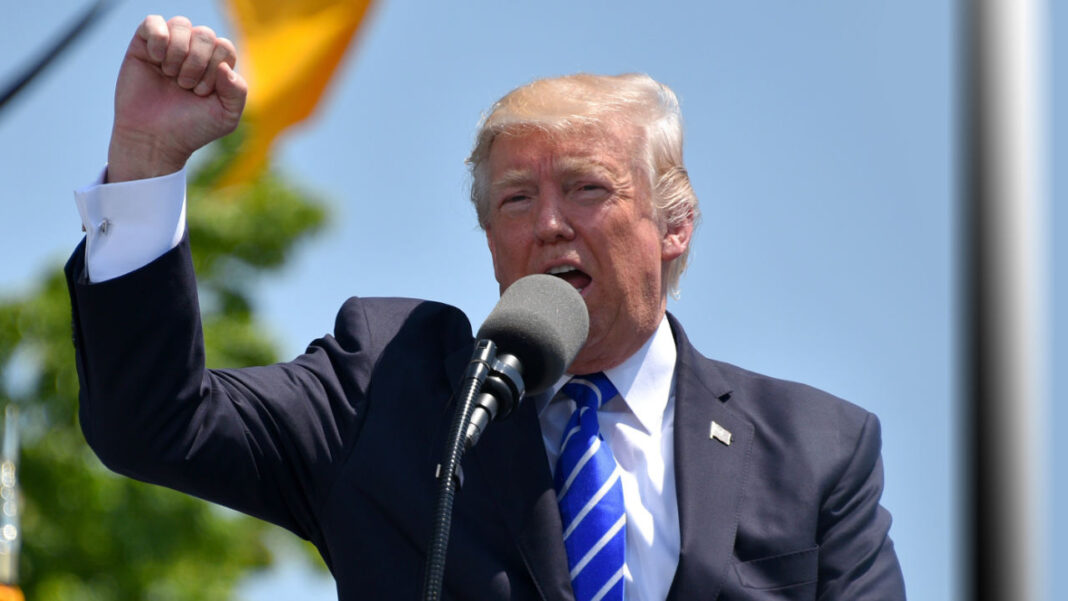

US President Donald Trump has warned Iran that time is running out as peace talks over the war remain stuck. In a post on his Truth Social platform, Trump said Iran must act quickly or face serious consequences. He wrote that “time is of the essence” and warned there may be “nothing left” if negotiations fail.
The warning came after the US president spoke with Israeli Prime Minister Benjamin Netanyahu on Sunday. Reports from Israeli media said the two leaders discussed the ongoing conflict and stalled negotiations.
At the same time, Iranian media accused Washington of refusing to make meaningful compromises. Iranian officials said the latest American response did not include any major concessions and warned that talks could collapse if the US continues to reject Tehran’s demands.
Trump has made similar threats before. Earlier this year, shortly before a ceasefire was announced, he warned that an entire civilisation could be destroyed if Iran refused to agree to peace terms. This week, he again said the ceasefire was in danger after rejecting Iran’s latest conditions, calling them “totally unacceptable.”.
Iran defended its proposals. The foreign ministry spokesperson Esmail Baghaei described them as responsible and fair. Iranian reports said Tehran demanded an immediate end to fighting across the region, including Israeli attacks against Hezbollah in Lebanon. Iran also called for an end to the US naval blockade around its ports and guarantees that no future attacks would take place.
According to Iranian news agencies, Tehran also asked for compensation for damage caused by the war and insisted on maintaining control over the Strait of Hormuz, a key global shipping route.
Reports from Iranian media said the US responded with several demands of its own. Washington reportedly wants Iran to keep only one nuclear facility active and transfer its highly enriched uranium stockpile to the US. Trump also appeared to soften his position slightly. On Friday, he suggested he could accept a 20-year suspension of Iran’s nuclear programme instead of demanding a permanent end to it.
The conflict began after large-scale Israeli and US air strikes against Iran on 28 February. Although a ceasefire was later introduced to support negotiations, both sides have continued occasional attacks.
Iran has also kept control of the Strait of Hormuz, disrupting global energy supplies. Around 20% of the world’s oil and liquefied natural gas passes through the waterway. Rising tensions have pushed oil prices higher around the world. Meanwhile, Pakistan continues efforts to mediate between the US and Iran, though major disagreements remain.