
The Solomon Islands are experiencing an unprecedented shift in their approach to farming, biodiversity protection, and response to environmental stressors throughout one of the most mixed ecologically rich yet climate vulnerable countries of the Pacific Ocean. The “Building Capacity Related to Multilateral Environmental Agreements” (BM) initiative is a FAO (Food and Agriculture Organisation of the United Nations) initiative that was implemented with support from the European Union. This project has turned the Solomon Islands into a leader in terms of where environmental governance reforms intersect with sustainable agriculture.
The islands cover 997 islands in the Pacific Ocean (Coral Triangle) which contain an extremely rich and diverse range of marine life on the planet. Unfortunately, like many locations in the world, the Solomon Islands are suffering a range of challenges, including deforestation; soil degradation; and climate shocks.
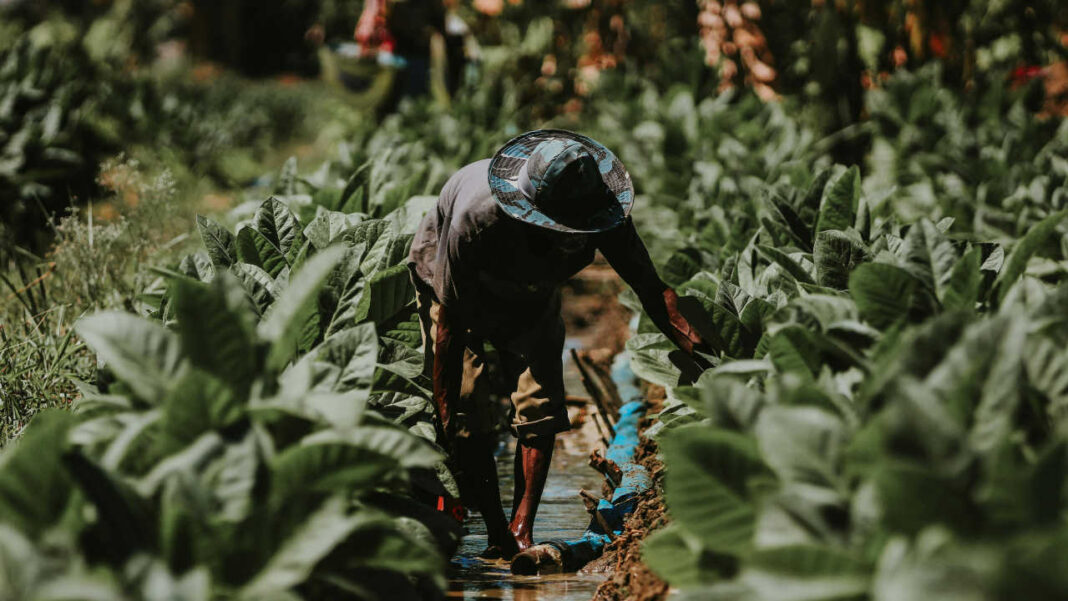
The goal of FAO’s program is to help local communities and farmers to obtain specific tools required to reverse environmental degradation from the ground up. Farmers learn through an FFS (Farmers’ Field School) experiential learning system; i.e., farmers are the experimenters on their farms as opposed to just receiving “advice”.
Extension workers, NGOs, and farmers from rural areas of Guadalcanal and Malaita recently participated in a training program to promote the use of sustainable pest control, soil health management, and ecosystem-based farming practices. The model is being introduced into pilot schools, which will serve as community innovation hubs for resilient agriculture.
The Solomon Islands program is unique in that it has two main objectives: improving food security and enhancing compliance with global environmental agreements governing biodiversity and chemicals management. It also supports linking national agricultural practices with international sustainability standards.
The transition from sustenance-based to climate-resilient and knowledge-based agricultural systems is not only a technical transition for the people of the Solomon Islands; rather, it represents a fundamental change in the way people in rural areas of the country will interact with their environment. It marks a change from an extractive economy to an economy based upon climate-resilient agriculture and the transfer of knowledge in order to maintain both livelihoods and ecosystems.
For the Solomon Islands, this program focuses on long-term ecological sovereignty rather than just providing short-term training. It aims to develop ecologically sustainable farmers, community-based decision makers, and local environmental stewards working cooperatively to create sustainable, healthy, and resilient farming systems in one of the world’s most environmentally threatened regions.