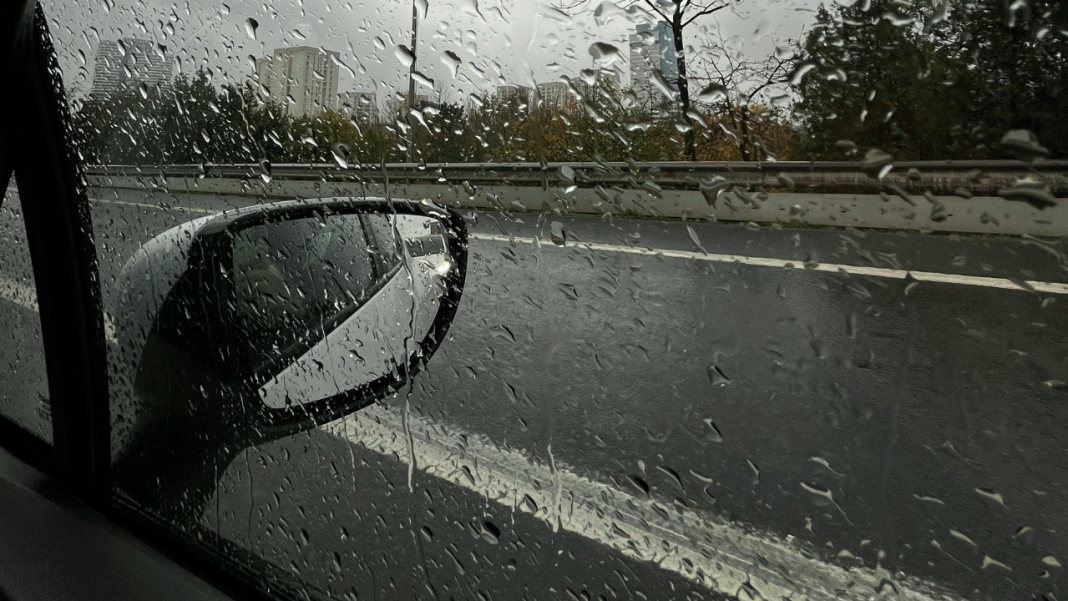

Storm Bram has placed large parts of Britain on alert, bringing a combination of violent winds and intense rainfall capable of disrupting everyday life, damaging infrastructure and creating hazardous conditions for communities.
North-west Scotland faces the strongest winds, with exposed locations potentially experiencing gusts approaching 90mph. Authorities have urged residents to remain vigilant as debris, falling trees and structural damage become possible.
The Met Office has deployed amber warnings where the expected consequences are particularly serious, while yellow alerts cover wider areas. Amber warnings can indicate risks including travel disruption, power failures and threats to property or life.
Heavy rainfall is adding another dimension to the emergency. Parts of South Wales and south-west England are expected to receive substantial totals, with some elevated locations potentially recording around 100mm during Bram’s passage.
Dartmouth & surrounding areas of Devon are among the locations facing heightened rainfall concerns. This is whilst Wales may also experience significant accumulations. Saturated ground increases the possibility of rapid runoff & further flooding.
Northern Ireland’s also preparing for deteriorating conditions. This is particularly so as already-swollen waterways respond to additional rainfall. Residents near rivers and vulnerable locations have been encouraged to monitor official warnings closely.
Transport networks are expected to bear much of the immediate pressure, with high winds and standing water capable of affecting roads, rail services, aviation and ferry operations. Travellers may therefore face delays or cancellations.
Electricity infrastructure is another concern as powerful gusts threaten overhead lines and other network assets. National Grid advises customers experiencing outages to report them promptly through its dedicated emergency channels.
Britain’s flood-monitoring agencies are simultaneously tracking rainfall, river levels and local conditions. Flood warnings can change quickly, while official guidance stresses that deep or fast-moving floodwater should never be crossed on foot or by vehicle.
Bram’s arrival underlines the importance of following official forecasts rather than relying on assumptions about local conditions. The Met Office explains that storm names are used when significant disruption or damage could justify amber or red warnings.