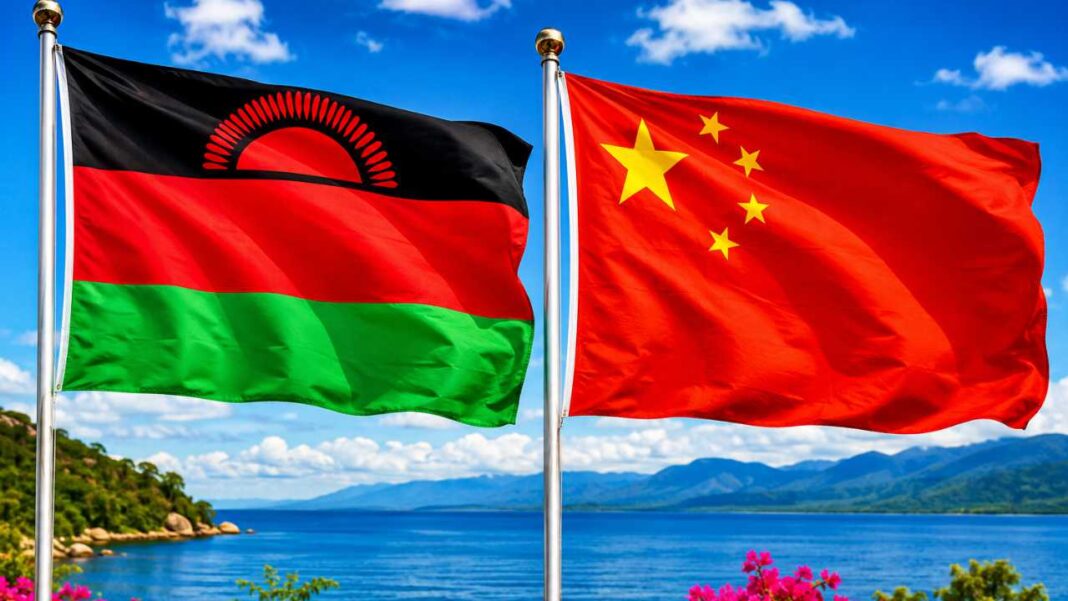

Malawi has taken a significant step toward modernising its inland water transport network. This was after signing a memorandum of understanding (MoU) with Chinese investment firm Ziao Xiang Investment. It was to facilitate the delivery of four new vessels for operations on Lake Malawi. The agreement is expected to transform passenger & cargo transport across one of Africa‘s largest freshwater lakes. This is while strengthening trade, tourism, and regional connectivity.
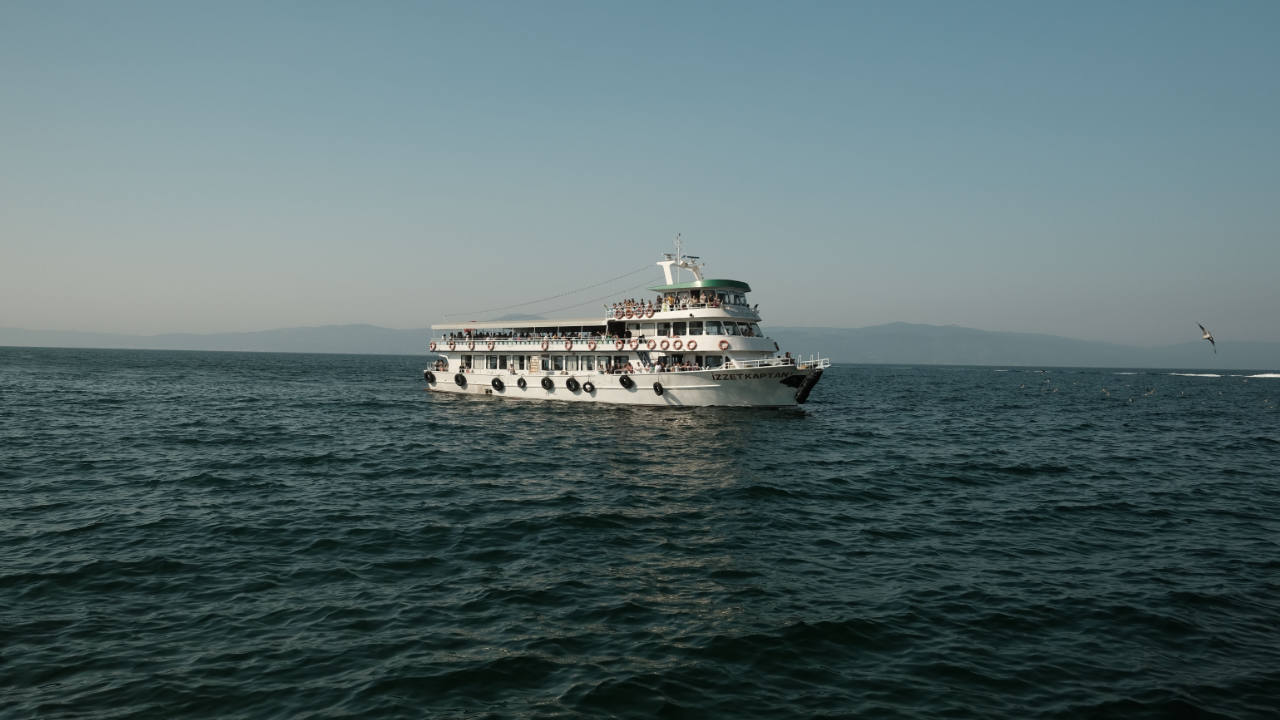
This initiative represents one of Malawi’s most ambitious investments in lake transport in decades. The 4 vessels are intended to improve mobility for communities that rely heavily on the lake for commerce and travel. This initiative also aims to replace aging infrastructure that has struggled to meet the growing demand.
Lake Malawi stretches nearly 580 kilometers (360 miles) from north to south. It serves as a critical transport corridor for thousands of residents. Maritime transport is essential for economic activity, healthcare access, education, and tourism, as numerous lakeshore communities remain difficult to reach by road.
According to reports on the newly signed agreement, the Chinese-backed investment may introduce 4 modern vessels. They may be capable of significantly enhancing marine transport services throughout the lake. This project reflects China‘s continuing infrastructure engagement across Africa, particularly in transport networks that support economic development.
Aging Fleet Modernisation
The announcement comes as Malawi seeks to modernise a fleet that includes the historic MV Ilala. It’s one of Africa’s most iconic passenger ferries. It was commissioned in the early 1950s. This vessel has served generations of Malawians by connecting ports along Lake Malawi besides neighboring island communities.
This ferry ship remains operational following periodic refurbishments. However, its age has increasingly emphasized the necessity of fleet renewal. Services have occasionally experienced disruptions due to maintenance issues. Such disruptions prompted government efforts to secure newer vessels capable of providing more reliable movements.
Alongside the acquisition of 4 vessels, Malawi has also explored modernisation initiatives for the archaic MV Ilala. This is being done while also considering additional ferry services. The initiative is to address the rising demand for both passenger and freight services.
Regional Connectivity amidst Boosting Trade
Officials believe that this investment may eventually produce benefits extending well beyond passenger transportation.
Lake Malawi serves as an important commercial artery linking agricultural producers, fishing communities, tourism operators, besides regional traders. Improved shipping capacity may reduce transportation expenses for agricultural produce, fish products, construction materials, and fuel, as well as consumer goods.
More efficient lake transport may also strengthen commercial links with neighboring Mozambique & Tanzania, whose shorelines also border the same lake.
Economists note that inland water transport often provides one of the lowest-cost methods of moving bulk cargo. It reduces pressure on road infrastructure. This method also lowers fuel consumption and emissions compared to long-distance trucking.
The expanded fleet may therefore play an increasingly important role in Malawi’s logistics strategy. This is as Malawi seeks greater regional integration through the Southern African Development Community (SADC).
Tourism
Lake Malawi remains one of southern Africa’s premier tourism destinations.
Its sandy beaches, biodiversity, UNESCO World Heritage status, and diving sites, as well as island resorts, attract both domestic and international visitors.
Industry stakeholders have long argued that more reliable ferry services may encourage tourism investment by improving accessibility to destinations such as Likoma Island as well as other lakeshore attractions.
Modern vessels equipped with improved passenger facilities may significantly enhance visitor experiences. This initiative also supports hotels, tour operators, restaurants, and hotels and tour operators and restaurants, besides local businesses throughout the lakeshore region.
Expanding Infrastructure Partnership
The agreement also illustrates China’s continuing role as a major infrastructure partner across Africa.
Chinese-backed projects have supported the construction and modernization of highways, railways, ports, airports, and energy facilities, besides transport systems throughout the continent.
In southern Africa, China has also committed major financing toward the revitalisation of the historic TAZARA Railway. It reinforces its broader strategy of supporting regional transport corridors that facilitate trade besides economic growth.
Analysts say the Lake Malawi initiative complements wider efforts to improve multimodal transport infrastructure. This is by connecting maritime, rail, and road networks.
Economic Growth
Improved marine transport may generate substantial economic benefits.
Among the expected advantages are
Increased employment during vessel construction, delivery, & operations.
Expanded opportunities for fisheries. This is besides agricultural producers.
Reduced commuting expenses for businesses.
Improved access to education. Furthermore, offering healthcare for isolated communities.
Disaster response enhanced capabilities. This was especially so during emergencies.
Enhanced investment confidence. This trend is also especially true in lakeshore developments.
Reliable transport infrastructure often serves as a catalyst for private-sector investment. Furthermore, it encourages businesses to expand into previously underserved areas.
Remote Community Support
Quite a few communities surrounding Lake Malawi remain geographically isolated.
Seasonal weather conditions may render road travel slow or difficult. It increases dependency on lake transport for essential supplies.
Modern vessels with greater capacity, besides improved safety standards, may substantially improve mobility for residents. This is while ensuring more consistent delivery of food and medical supplies, as well as commercial goods.
Education institutions located on islands, as well as remote lakeshore settlements, may likewise benefit from more dependable transport connections.
Safety
Other than economic considerations, newer vessels are expected to improve passenger safety.
Modern ship designs typically incorporate enhanced navigation systems, improved communications equipment, and updated life-saving appliances, besides stronger environmental protections.
These features are increasingly important as passenger numbers continue to grow. This is whilst governments strengthen maritime safety regulations across Africa.
Improved vessel reliability may also reduce service interruptions caused by mechanical failures affecting older ships.
Future Outlook
Financial details besides delivery timelines have yet to be fully disclosed. This memorandum marks an important milestone. That’s towards renewing Malawi’s inland water transport system.
Implementation is likely to involve detailed engineering studies. Also, financial arrangements and vessel specifications, as well as operational planning. This is before construction & deployment begin.
The project may become one of Malawi’s most transformative transport investments in recent years, if successfully completed. It may provide long-term benefits for commerce. Also for tourism and regional integration, besides social development.
Communities that have depended on Lake Malawi for generations. The arrival of 4 modern ferry vessels may represent not merely new ships but a substantial upgrade in connectivity. This is besides economic opportunity, as well as national infrastructure
.