
The Monday market update for Singapore is not a simple summary but an indication of how strained Singapore’s economy is under increasing pressure to a point of breaking. There are three major issues hitting the market now: momentum in the housing market is beginning to slow; retailers are concerned about the fragility of their sales in the second half of 2023; and concerns around the risk to external trade are growing due to the widening debate around the tariffs in the US. In summary, Singapore’s economy is experiencing pressure on multiple sectors, and as a result, it is likely to have broad impacts on the sentiment of households, businesses, and investors over the coming months.
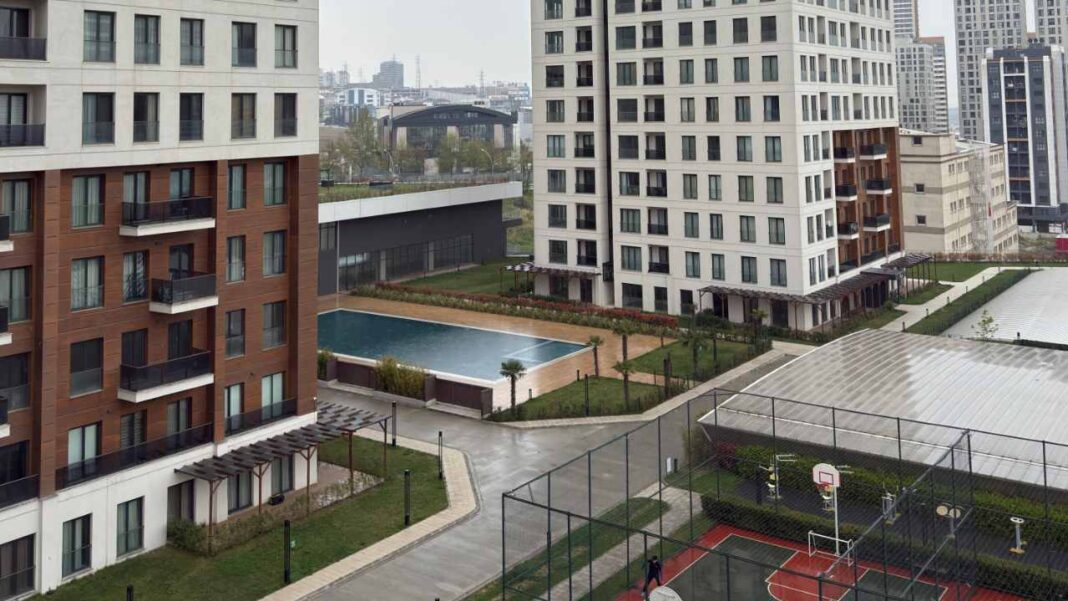
Although the property market has been considered an important indicator of Singapore’s economy for many years, it is now exhibiting some signs of cooling off. HDB resale volume decreased 6.3 per cent year-on-year in May, despite increasing 10.1 per cent when compared to April, meaning there are areas where the property market is recovering, but it is still operating at a lower level than the highs of 2025. The rebound in resale activity is real, but it is not widespread enough to suggest that we are seeing the beginning of a new wave. In fact, even within the extremely popular million-dollar HDB resale market, which is often viewed as an indicator of how high public housing prices have risen in past years, transactions have remained active rather than explosive in May; the million-dollar resale segment accounted for 166 of all May’s HDB resale transactions (or 7.8 per cent). The property market is slowing down, not collapsing.
Retail is currently experiencing significant challenges. April was beneficial for sales, and the results appear solid, but analysts are warning of less underlying support for those sales. Analysts expect higher energy prices, lower travel demand, and decreased consumer spending to harm sales momentum in the second half of 2009. This information is important because retail is one of the first sectors to respond to macroeconomic pressure; when families begin feeling the squeeze, discretionary purchases tend to be the first items delayed. The retail environment currently suggests no immediate downturn; however, consumer behaviour will be more cautious and slower than in the past, and businesses will rely more on margin discipline to survive than just footfall alone.
The overall backdrop is just as fragile. The UOB has warned that proposed US tariffs could change how people see Singapore’s economic situation from a domestic issue to an international one. While it doesn’t foresee any immediate impact on Singapore, there is a broader concern that the escalation of the tariffs could potentially disrupt trade flows in terms of logistics and exports of semiconductors. This development is significant because Singapore’s economy has historically profited by being viewed as one of the trusted global trade nodes; any reduction in the level of predictability associated with trade policy will have an impact that is felt far beyond the sector that is causing the concern. This means that the threat of trade tariffs is not just higher costs; it also means less predictability, which is often the first cost to businesses.
Even so, much of the story wasn’t a simple defence. In early June, Singapore’s equity markets remained strong, which contributed to expectations from DBS for a July turnaround facilitated by solid export activity and safe-haven purchasing, despite ongoing geopolitical developments and risks associated with the oil market. On the other hand, the labour market is giving off a completely different warning signal. The percentage of businesses intending to hire has reached its lowest level since 2021, while businesses, although hesitant to make long-term commitments , are still providing high salary levels to individuals with both artificial intelligence and other rare digital skill sets. This indicates much about future phases of economic activity. The demand for goods and services is moving towards being much more deliberate, resilience is becoming less available, and the relative value of capability is changing. Consequently, rather than simply having an economy that is slowing down, Singapore has had the necessity of having an economy that very quickly sorts out its winners vs its losers.