
Sri Lanka is under pressure, which is growing on its food system. The situation comes as a severe drought that is directly linked to El Niño causes disruptions to agricultural livelihoods. Authorities in this time are moving to strengthen the country’s food safety framework through a National Food Safety Policy that was newly launched.
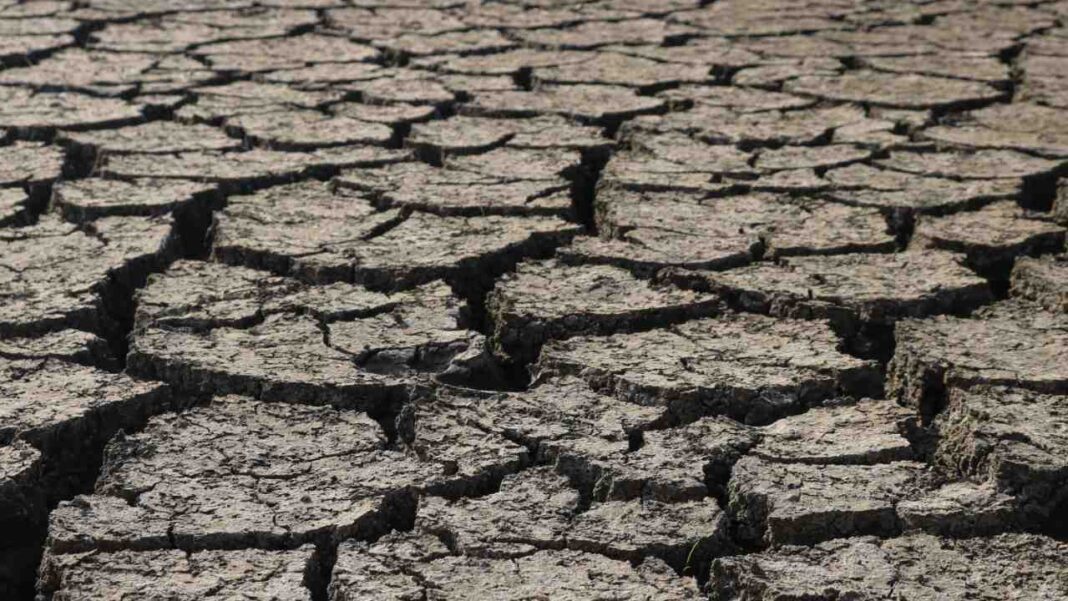
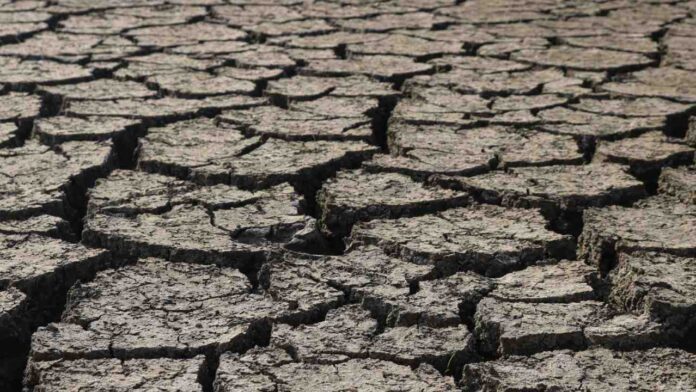
The drought has placed a very high strain on farming communities. Citizens who are located in the dry-zone districts where rainfall shortages have depleted wells, rivers and irrigation tanks are facing the most trials. Reports which were made on September 3 had noted that some areas have experienced extremely low rainfall, and this had left farmers struggling to maintain their crops, livestock and household water supplies. The situation has left the citizens in a state of despair as the future in front of them lies in uncertainty.
For many families who depend on agriculture, the consequences go far beyond failed harvests. As access to water has been reduced for these people, it has resulted in affecting household incomes and many farmers being forced to seek alternative forms of employment. In communities where agriculture continues to be the primary source of livelihood, dry conditions which are continuing for a long term could further increase the vulnerability in the economy and add an additional pressure on food supplies that are already fragile.
The situation has been especially difficult in districts such as Ampara and Monaragala, where water sources have dramatically fallen. Some residents have reportedly been forced to wait for long periods of time for water deliveries, while farmers have watched crops wither under intense heat, with much despair.
The worsening drought also raises broader concerns about food security. When agricultural production declines and drops lower, the effects can end up spreading through supply chains; this will directly affect food availability and potentially result in the end with higher prices. Livestock farmers are also facing challenges as water shortages make it increasingly difficult to care for animals.
However, with all of this in the background, Sri Lanka has taken a highly significant step towards strengthening another important aspect of its food system. The Commonwealth region recently launched its National Food Safety Policy with support from the Food and Agriculture Organization and the European Union.
The policy is mainly aimed at creating a much more coordinated and comprehensive approach to food safety. This will help bring together institutions and stakeholders who are involved in food production, processing, distribution and consumption. Its aim is to improve oversight and to ensure that food which reaches consumers meets safety standards that are appropriate for consumption.
While drought and food safety might seem like they are separate issues, both are closely connected to the resilience of Sri Lanka’s food system. Disruptions which are related to climate can affect the availability and quality of agricultural products, while effective food safety systems are a necessity to protecting consumers and reducing risks throughout the supply chain.
The current situation of the small island highlights the complicated nature of food security. Making sure that people have access to a sufficient amount of food is not simply about increasing production; it also involves actions which protect agricultural livelihoods, manage natural resources, maintain food quality and build systems which are capable of responding to environmental shocks.
As El Niño-driven conditions continue to threaten water supplies and farming communities, the introduction of the National Food Safety Policy shows an effort taken by the country to fight back and to strengthen one part of the country’s longer-term food security strategy.
The challenge ahead will be making sure that immediate responses to the drought are combined with lasting investments in climate resilience, sustainable agriculture, water management and food safety. For Sri Lanka, protecting its food system may increasingly depend on addressing all of these challenges together rather than in isolation.