

Healthcare (Commonwealth Union) – Technology continues to show enormous potential in the world of health care. Over the years, many technologies, such as red-light therapy, have shown immense potential for a wide variety of treatments.
The possibility of soft waves of sound that help protect the brain as we grow older, is an area keenly explored by scientists. That intriguing idea is at the heart of the work by the 2025 MRC Max Perutz Award writing winner.
Vanessa Drevenakova, a PhD student supported by the Medical Research Council (MRC), claimed the award in the writing category with her article “The Sound of Youth: Can Ultrasound Delay Brain Ageing?”.
Her research explores whether ultrasound could be used as an early intervention to support brain health, potentially slowing the effects of ageing and neurodegenerative conditions before significant decline begins.
As people live longer, dementia remain a major concern both in the UK and across the globe, as dementia risk increases with age.
Many existing treatments are introduced too late and have limited impact on repairing the harm already done.
With age, the brain’s immune cells — called microglia — lose their ability to efficiently remove faulty or damaged proteins.
When these proteins accumulate, they disrupt the connections between neurons, interfering with normal brain function.
Gradually, this leads to declines in learning, memory and overall cognitive performance, changes commonly linked to ageing and dementia.
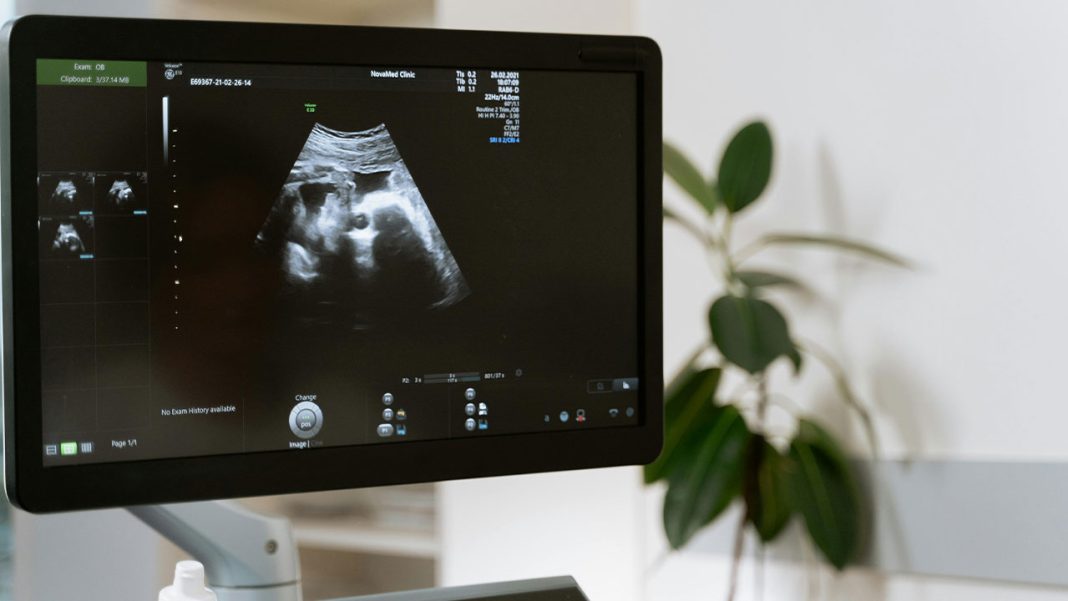
Best known for its role in prenatal imaging, focused ultrasound is now emerging as a powerful, safe, and non-invasive therapeutic tool.
Focused ultrasound works by directing low-intensity sound waves that meet at a precise point—much like sunlight concentrated through a magnifying glass—allowing energy to reach deep areas of the brain.
Once there, these waves can alter the behaviour of brain cells, creating a new way to influence brain activity without the need for surgery or medication.
In the UK, the technology is already approved to treat essential tremor, Parkinson’s disease, and certain cancers.
Meanwhile, clinical trials in the United States are exploring its potential for treating Alzheimer’s disease.
In her laboratory at Imperial College London, Vanessa uses focused ultrasound to activate microglia—the brain’s immune cells—located deep within the brain.
In her article, she explains that the ultrasound produces extremely fine vibrations, creating gentle pressure waves that open trapdoor-like channels on the surface of microglial cells.
Once these channels open, calcium floods into the cells, effectively rousing them and setting their activity in motion again.
Vanessa indicated that her study explores if it is possible to prompt senescent microglia to behave in a similar manner to their younger counterparts that are engaged, protective, together with being balanced.
She pointed out that she observed the way they move under the microscope, track the signals being transmitted, and evaluate the chemical messages they send to find out if their behaviour is being altered.
Her work is still at a pre-clinical stage and focuses on examining how microglia behave in the ageing brains of mice.
Initial results indicate that ultrasound may alter these cells’ activity, making them more reactive, better able to clear damage, and more effective at maintaining balance within the brain.
Working with colleagues at the UK Dementia Research Institute, Vanessa is exploring whether ultrasound could be applied as an early intervention, before extensive damage has taken hold.
If successful, this approach could help slow or lessen the effects of age-related conditions such as Alzheimer’s disease.
“What really drives me is the possibility that we can intervene early to support brain health as people age,” explained Vanessa.
“I truly care about protecting people’s memories, because they are so precious and such an important part of who we are.”