
The promise of secure custodianship has failed 198 times over the past 11 months. The volunteers who signed up two decades ago (in 2006) cannot take their DNA back.
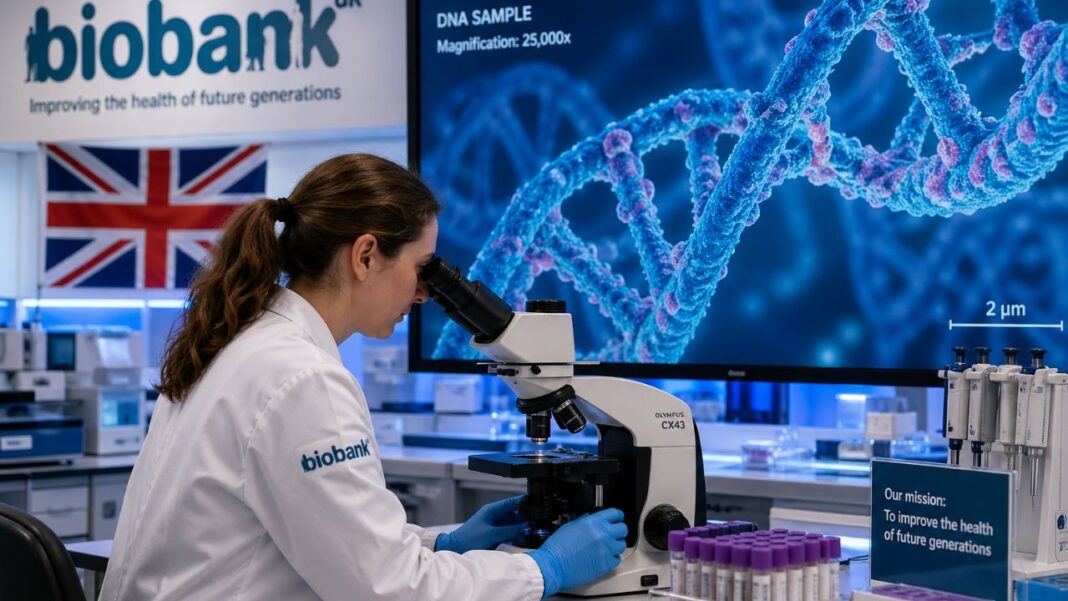
Alibaba listed the genetic sequences, medical scans, and lifestyle records of half a million British volunteers for sale for days. This was before anyone at UK Biobank noticed it.
3 academic institutions, since banned from the platform, had quietly walked the data out through a research system. It was meant to be kept under lock -and- key.
At least 1 of the 3 Alibaba listings appeared to contain the full dataset. This covered every one of the 500,000 participants who had confidently handed over their blood, DNA, & decades of personal health information. It was understood that it would be used for medical research.
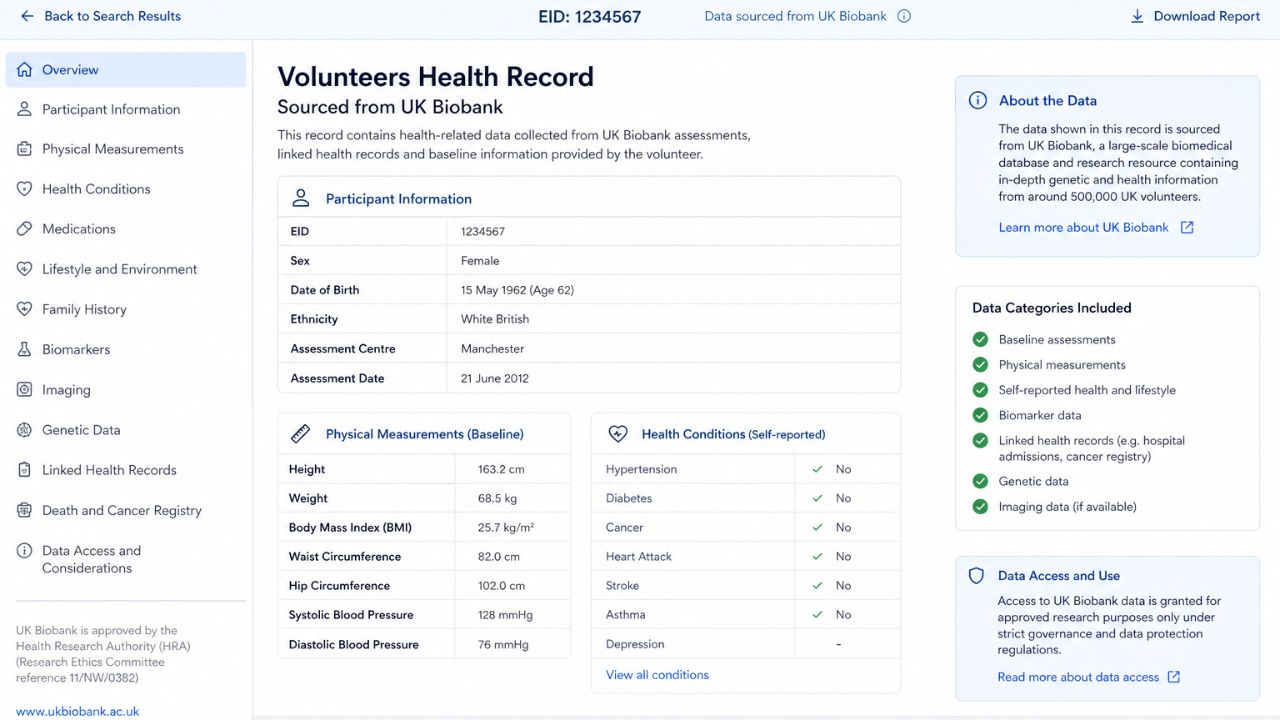
The UK government confirmed the breach on Thursday, 23 April ’26. Technology minister Ian Murray shared with the House of Commons that Biobank had flagged the incident on Monday, 20 April ’26. The Chinese government and Alibaba collaborated to pull the listings down before any purchases materialised. Murray thanked Beijing directly for its ‘speed & seriousness’ in taking down the data. Given that the three research institutions identified as the source are Chinese, this statement holds significant weight. Officials have, however, declined to draw conclusions about the intent.
Professor Rory Collins, Biobank’s chief executive & principal investigator, had issued a statement saying that the listings had been swiftly removed before any purchases had been initiated. Collins apologised to the participants. He confirmed that access to the research platform had been suspended. This was done while the organization installed file size limits designed to stop researchers from accessing bulk datasets.
An automated checking system to vet outgoing files is not expected to be ready until late this year.
The sales listing isn’t the scandal. Instead, the scandal is what the sales listing reveals about how often the biobank’s data had already been exposed to and where it may now sit.