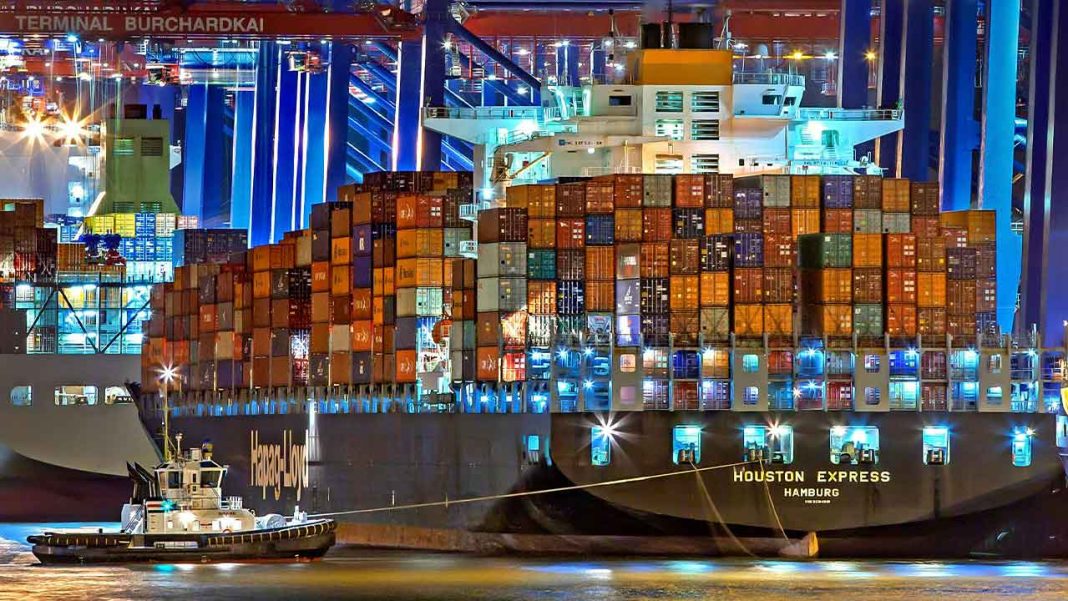

The industry body, the Chartered Institute of Procurement and Supply (CIPS), warns of “cracks” in the global supply chain that may affect computers, electrical machinery, and transport equipment.
The cost of transportation, energy, and raw materials continues to increase, making prices volatile. This may feed through to businesses and consumers during 2026, as opined by CIPS.
Concerns of possible disruption to supply chains during the next 3 months reached the highest level in 2 years. This suggests growing worries amongst procurement teams. CIPS conducted a survey in late 2025, where respondents expressed their concerns. CIPS is an international trade body that represents 64,000 member organisations in procurement and supply chains, spanning 180 countries.
Heads of procurement said that they were often the first within organisations to notice price fluctuations aside from sourcing goods. They added that uncertainty and price volatility risked becoming a permanent feature in international trade. It wasn’t a temporary disruption, as with the turmoil unleashed by the pandemic, which was followed by geopolitical tensions around the world.
We anticipate significant price increases in the shipping and logistics sectors during 2026. This was the outcome of a survey involving heads of procurement. 22% of respondents reported cost increases of more than 10% already reflected by the end of 2025.
Nearly a fifth (18%) said that they had witnessed similar price increases for computers & peripheral equipment. A further 15% reported cost increases for transport equipment and 14% for electrical machinery and apparatus.

The expected price increases and continued volatility may be fuelling consumers’ expectations of more inflationary pressures in 2026. Consumers had already experienced price rises for some computers late last year. This was particularly so for both Lenovo and Dell brands, which reportedly hiked prices by about 15%. Also, during December ’25, the price of some Dell laptops increased between USD 130 (£95) & USD 765 (£559). However, this increase was dependent on the model, besides memory capacity, as reported by Business Insider.
The average spot shipping rate between Asia and the U.S. West Coast jumped by nearly 30%. This was between late December and early January. The rate increased from USD 2,145 for a 40-foot (12-metre) equivalent unit (FEU), a standard shipping container, to USD 2,757, as shared by the Freightos Baltic Index.
Liner rates on shipping routes between Asia and the U.S. East Coast, besides Europe, have also reflected increases during recent weeks.
The chief executive of CIPS, Ben Farrell, said that procurement professionals are often the first to see cracks form in the global trading system.
Farell added that volatility was no longer an exception. Logistics costs can range from 20% to 30% in a few weeks. He further stated that those pressures inevitably rippled through to businesses and consumers alike.
International freight shipping costs were already on the rise and witnessed a further climb after increased tensions. Donald Trump’s recent threats to seize control of Greenland and his imposition of further tariffs on European allies fuelled this trend. It was also fuelled by the possibility of impending war between the U.S. and Iran. This period witnessed investors fleeing to traditional safe-haven assets such as gold and the Swiss franc.
Experts highlighted the importance of U.S. tariffs and protectionist policies. This was a cause of price volatility, according to those surveyed. Respondents shared that they were being directly affected by shifting trade rules and China-U.S. tensions.
Tensions in the Middle East and attacks on vessels travelling through the Red Sea by Yemeni Houthis prompted many major shipping firms to reroute their vessels around Africa’s Cape of Good Hope. This longer journey increased costs in addition to the extra time required for the trips.