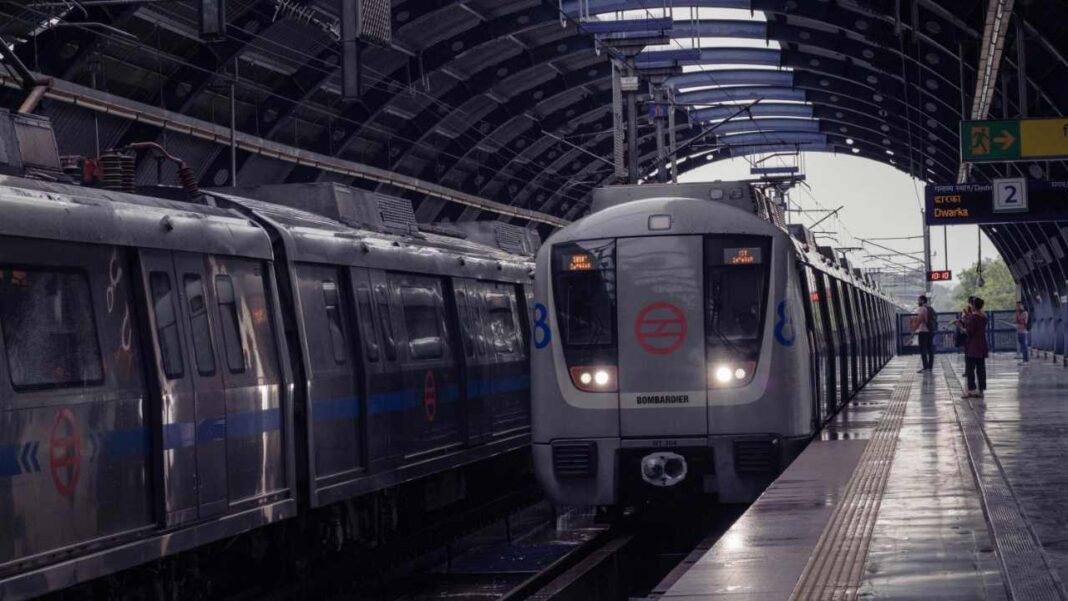

The inauguration of the Namo Bharat Rapid Rail and the Meerut Metro by Prime Minister Narendra Modi marks a revolutionary milestone in the development of India’s infrastructure. During the inauguration in Meerut, the Prime Minister emphasized that the project offers the public a glimpse of what a Viksit Bharat would look like, where the Twin Cities vision becomes a reality. For the first time in India’s history, a rapid rail system and a metro are operational simultaneously on the same track and from the same platform.
In addition, the project represents the Nari Shakti movement, with women forming a significant part of the workforce as train operators and station staff. The Prime Minister highlighted this achievement within the context of a broader economic boom, which has seen India emerge as the country with the third-largest metro network in the world. Massive investments in freight corridors, expressways, and the Jewar International Airport have transformed Uttar Pradesh into a global manufacturing hub, as evidenced by the establishment of the state’s first semiconductor plant.
The Prime Minister also spoke about the empowerment of small businesses and farmers, noting that a USD 1.1 billion fund has been allocated for MSMEs. Additionally, the removal of courier service limits has enabled local artisans to access global markets. He further honored the legacy of Chaudhary Charan Singh by conferring upon him the Bharat Ratna, reiterating the government’s commitment to farmers through initiatives such as the PM Kisan Samman Nidhi.
Emphasizing a revolution in India’s work culture, the Prime Minister stated that the era of projects being delayed for years is over. By personally laying the foundation stone for the project and later inaugurating it, he underscored the Double-Engine Government’s commitment to completing projects with speed and precision. The new infrastructure is designed to make life easier for the public, eliminating the need for students and employees to live in Delhi in costly rented accommodations.
The Prime Minister concluded by stating that the world now looks to India for solutions in the 21st century. He added that while Uttar Pradesh is moving away from a past marked by criminal activity toward a future driven by defence production and tourism, its development remains a vital pillar in the journey toward a developed India.