
On the opposite sides of the Pacific Ocean, two powerful earthquakes struck within just days of each other. The quake ended up causing a shake within the communities that were affected by the event quite significantly. The people in Chile and Hawaii lived in uncertainty as new concerns regarding the seismic activity along the Pacific ring of fire kept rising.
On the northern side of Chile, an earthquake which consisted of a magnitude of 6.9 struck the Antofagasta region on May 25th. The sudden environmental hazard provoked destruction in one of the world’s largest areas, which produce copper. The authorities stated that the quake caused landslides in the mining zones and interrupted water supplies and electricity in parts of Calama, which is a city that is closely linked to the mining industry within the country. Fortunately, authorities reported that the strong tremors did not affect any facilities or cause major structural damage.
Codelco, the National Copper Corporation of Chile, also the world’s largest copper-producing company, had to briefly halt some of their mining activities due to the visibility issues and electricity disruptions, even though the mining giants BHP and Antofagasta stated that their operations were largely unaffected. Throughout the region, emergency inspections were carried out. The inspections, which were followed through as safety protocols, show how Chile is highly prone to earthquakes due to its location that is situated along the seismically active Pacific Ring of Fire.
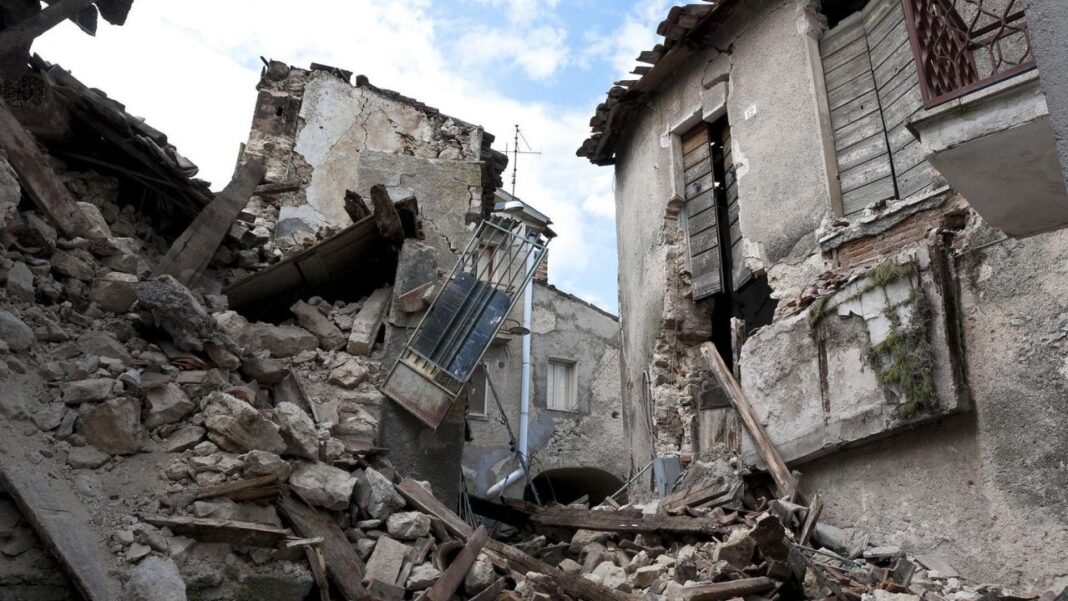
Just days earlier, Hawaii’s Big Island experienced a magnitude 6.0 earthquake centred near Honaunau-Napoopoo along the western flank of Mauna Loa volcano. Residents across Hawaii, Maui, and Oahu widely felt the quake, describing intense shaking that lasted up to 30 seconds. Authorities reported rockslides, damaged homes, power outages, and roads blocked by debris in parts of South Kona.
A few aftershocks followed after the Hawaii quake took place. These include tremors, which measure up to magnitude 4.0. Scientists from the United States Geological Survey mentioned that the reason for the earthquake to take place was due to the stress beneath the Hawaiian island chain rather than volcanic activity. Officials also confirmed there was fortunately no tsunami threat.
Although neither earthquake caused catastrophic destruction, both events served as reminders of the persistent seismic risks faced by communities located along tectonically active regions.