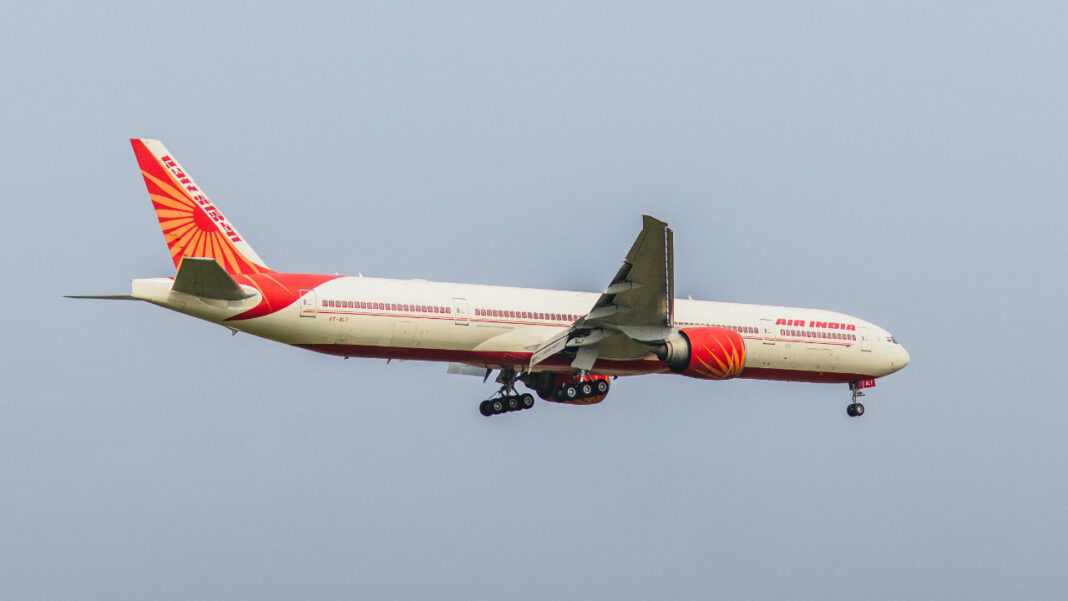
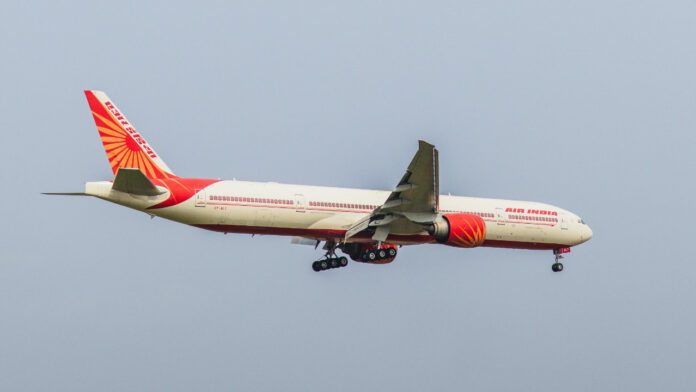

An incident occurred involving an Air India long-haul flight from John F. Kennedy International Airport in New York to Mumbai (India) on Thursday when the flight crew received an aft cargo fire warning after encountering turbulence during their flight to India. The crew initiated the diversion according to standard aviation procedures (aviation safety procedures). Flight AI116 (Air India Flight AI 116) safely landed in Medina at Prince Mohammad bin Abdulaziz International Airport (MED) using standard aviation procedures and performed post-landing inspections of the aircraft and its cargo to confirm that there were no fires or hazards related to the suspected aft cargo fire warning. All passengers and crew were unharmed, and all parties were safe at all times throughout this diversion event.
The crew treated the warning as a high-serious-risk situation per standard aviation safety procedures (aviation safety). Therefore, the crew immediately took precautionary action to divert their flight to Medina, which enabled a safe landing there. The flight crew’s decision to divert exemplifies a situation where precaution takes precedence over scheduling, a crucial priority in aviation. The reason for taking such actions/decisions is due to potential severe consequences to either party involved (passengers, ground crew, etc.) should there have actually been a fire in the cargo area of the aircraft.
The aircraft involved was a Boeing 777-300ER (VT-AER) that is a large-bodied jet designed 12 years ago with two GE90 jet engines. The aircraft departed Medina after remaining on the ground for over four and one-half hours and continued to Mumbai with no further interruptions. Although a lengthy delay can be frustrating for the passengers of a US-to-India service, the final result of this flight demonstrated the industry’s main rule: safety comes first, no exceptions.
Air India has stated that they coordinated with local authorities in Medina to provide passengers with support that included hotel accommodations and arrangements to continue their journey. This type of coordination is important because the only challenge created by an aircraft diversion incident is when the aircraft actually lands on the ground, but there is also care required to provide after the aircraft lands—especially on an international flight, when you typically will have passengers who may have missed their connecting flights, may need to complete some sort of immigration process, and may experience uncertainty while away from home. The airline indicated that once the situation was secured, they would place a high priority on ensuring the passengers were able to continue their travels without interruption.
Additionally, this event contributed to existing tension due to Air India’s pattern of incidents regarding reliability of operations (e.g., the New York <-> Delhi flight grounded in Shannon due to suspected tech. The issue caused the flight to remain in Shannon for more than 34 hours. Therefore, a simple 14+ hr continuous flight can quickly become a test of the airline’s protocol for how to resolve an airline incident (i.e., how to respond to a failure in its processes regarding emergency management of engineers assisting the company & how to manage the general traveller(s) that were travelling with the aircraft). In both instances, Air India delivered a message of, “In general, you must proceed with caution when alerts are posted & Use Alertness As a Priority”.
While Operation Medina was not without disruption, it certainly had a desired outcome when dealing with the aviation accident: no injuries (per safety specs); no evident flames/hazards; and conclusion of all of the flights. To the passengers of the Air India flight via Medina, it was a surprise to stop in Saudi Arabia; however, to Air India, the lesson learned from all accidents today is that the best outcome of an air traffic incident today is when there are no accidents at all.