


On Friday, 27 March ’26, in Havana, Cuba’s deputy foreign minister, Carlos Fernandez de Cossio Dominguez, argued that Canada should sustain the commercial relationship with Cuba that has made it the country’s largest foreign investor after Spain.
For over five decades, since 1972, Canada has sustained the largest visitor flow to Cuba. De Cossio, who previously served as Cuba’s ambassador in Ottawa, shares this important relationship.
These are important trade relations, de Cossio added. There is foreign investment. We do not agree on all political and international positions. He expressed the opinion that we have always known how to resolve our problems and differences. Also, work with them based on dialogue and mutual respect, which could help bridge the gaps in political and international positions and foster collaboration despite existing challenges.
It appears unlikely that De Cassio’s hopes for increased Canadian investment will materialise. That is due to crippling energy shortages, besides increasing difficulties faced in the collection of monies owed, which have created an unstable investment environment that discourages Canadian companies from investing in Cuba.
Last week, Canada issued new advice for prospective Canadian companies focused on Cuban investments. They were warned of likely payment risks amidst an ongoing liquidity crisis.
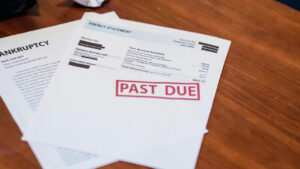
The Canadian Commercial Corporation (CCC), the Crown corporation that helped many Canadian businesses access the Cuban market, has lately halted assisting and encouraging new entries.
CCC’s Cuba programme. It is delivered in partnership with Export Development Canada. “It ended on 1 January 2026, according to spokesperson Liane Cerminara.” The Cuba programme concluded due to a convergence of rising financial risk and deteriorating economic conditions.
Cuba grinds to a halt
Every area of the Cuban economy bears witness to the consequences of Cuba’s grave energy crisis.
De Cassio stated that practically everything requires fuel. That’s from energy to hospitals, homes, education, industry, production of food, agriculture, transportation, medical care, and livelihoods of people.
He attributed those problems directly to the U.S. fuel blockade.
He added that the blackouts are not a result of Cuban inefficiency. The result was neither solely Cuban mismanagement of the electrical grid nor solely the U.S. depriving Cuba of fuel supplies.