
In light of growing geopolitical uncertainty, Vale Mining has met the planning of advanced maintenance shutdowns at its Oman Iron Ore Pellet Plant, demonstrating how geopolitical uncertainty now shapes industrial planning just as much as machinery schedules. The decision is primarily focused on maintaining operational continuity in an environment where timing, shipping routes and regional stability have as much significance as production volume. Vale’s global pellet network is expected to reach production rates of 30-34 million tonnes per year by 2026, including 9 million tonnes (29% of total output) produced in Oman alone.
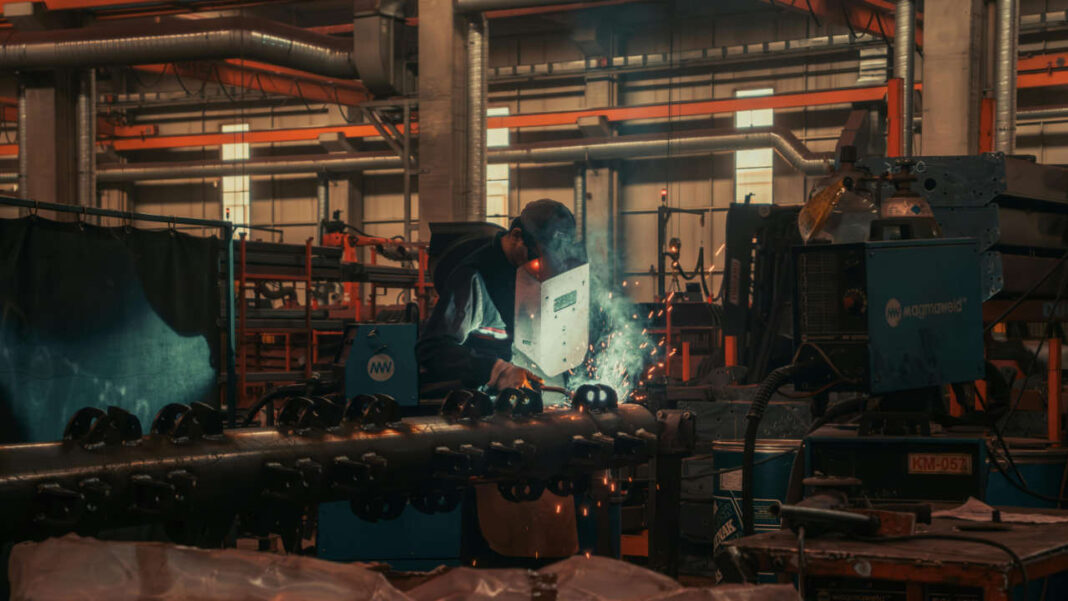
Producing iron ore pellets involves a very technical process that involves heating a material to over 1300 degrees Celsius and converting the material to spherical pellets, yielding a typical iron content of 65-67% (vs the standard 62-64% for iron ore concentrates). The high-grade output of this product commands a premium price for steel manufacturers; however, developing this high-grade iron requires specialised equipment, continuous expertise, and a rigorous quality control system which creates strategic implications to maintenance planning, as opposed to simply operational implications.
Vale’s Oman operation is based at one of the globe’s most strategic maritime choke points (Strait of Hormuz) and is a primary supplier to customers within Saudi Arabia, Qatar, and the United Arab Emirates. Vale’s Brazilian operations account for the remaining 71% (pellet capacity) of Vale’s total pellet output — providing Vale with geographical flexibility (should one geographic area experience disruptions in its operations). By expediting the maintenance schedule (Oman), Vale appears to be leveraging its broader supply chain network to mitigate supply chain/disruption exposure across its customer base, while also providing additional opportunity for increasing supply chain reliability through reducing the potential for exposure to any given geographic area disruptions.
The timing of this announcement is noteworthy because of the tiny width of the Strait of Hormuz (approximately 21 miles). If there were to be disruptions that impacted operations within the strait, it would not take very long for those disruptions to impact the shipping, insurance, and delivery schedules of suppliers to customers in all of the Gulf market countries. Additionally, shipping from Brazil to any Gulf market country via alternative routes creates significant pressure on customer contracts and inventory planning due to longer transit times, greater fuel costs, and increased logistical complexity.
Despite advancing shutdowns by several weeks, Vale maintains its guidance for production for the remainder of 2023. This indicates that the mining and other industries can manage production across Brazilian and Omani assets. The global economy has sustained major interruptions resulting from events such as the recent COVID-19 pandemic; therefore, the security of our supply will continue to be impacted by geopolitical and international events, and this change is indicative of another larger trend that has emerged in the industry: maintenance cycles or windows are no longer just about equipment maintenance; they have become a component of a business’s resilience, building trust with customers and strategically scheduling when to perform these cyclical activities.